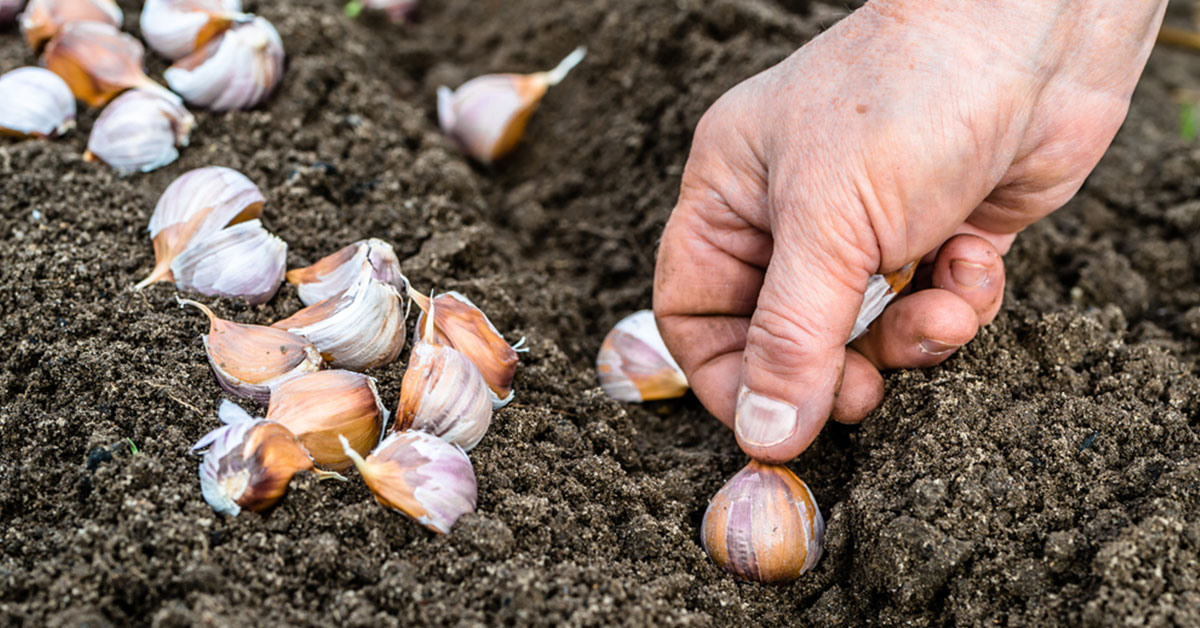

Welcome to our comprehensive guide on the best time to plant garlic in Manitoba! As an experienced gardener, I understand the importance of timing when it comes to planting different crops. Garlic, a versatile and flavorful herb, requires specific conditions to thrive in Manitoba’s unique climate.
In this article, we will explore the optimal planting times for garlic, taking into consideration the region’s frost patterns, soil temperature, and daylight hours. Whether you are a seasoned gardener or a beginner looking to try your hand at growing this culinary treasure, read on to discover the perfect timing for planting garlic in Manitoba and maximize your harvest.
Best varieties of garlic to grow in Manitoba
In Manitoba, some good varieties of garlic that grow well include:
- Music: This variety is known for its large bulbs and mild, sweet flavor. It is easy to grow and produces well in Manitoba’s climate.
- German Extra Hardy: As the name suggests, this variety is extremely hardy and can withstand Manitoba’s cold winters. It has a robust flavor and large cloves.
- Siberian: This variety is well-suited for Manitoba’s short growing season. It produces medium-sized bulbs with a strong, spicy flavor.
- Chesnok Red: This variety originates from Russia and is highly adaptable to different climates. It has a rich, full flavor and stores well.
- Purple Stripe: This group of garlic varieties includes varieties like Purple Glazer and Metechi. They have beautiful purple-striped bulbs and a bold, spicy flavor.
It’s important to note that garlic varieties can vary in their adaptability to specific growing conditions, so it’s always a good idea to experiment with different varieties to find the ones that perform best in your specific location.
When to plant Garlic in Manitoba
In Manitoba, the hardiness zones typically range from 1a to 4b. These zones are determined by the average minimum winter temperatures experienced in each region.
In Zone 1a, the average minimum temperature can drop to -45°C (-49°F). This extreme cold makes it challenging to grow certain plants, including garlic, which prefers milder temperatures. However, with proper care and protection, garlic can still be grown successfully in this zone. Gardeners in Zone 1a should consider using raised beds or containers to provide additional insulation and protect the plants from the harsh winter conditions.
In Zone 1b, the average minimum temperature ranges from -40°C (-40°F) to -37.3°C (-35.1°F). Similar to Zone 1a, garlic can be grown with careful planning and protection. It is advisable to select cold-hardy garlic varieties and provide adequate winter protection, such as mulching the soil and covering the plants with straw or row covers.
In Zone 2a, the average minimum temperature ranges from -37.2°C (-35°F) to -34.5°C (-30.1°F). Garlic can be successfully grown in this zone with proper planting and care. It is still important to choose cold-hardy garlic varieties and provide winter protection, especially during severe cold spells.
In Zone 2b, the average minimum temperature ranges from -34.4°C (-30°F) to -31.7°C (-25.1°F). Garlic cultivation becomes relatively easier in this zone compared to the colder zones mentioned earlier. Gardeners in Zone 2b can plant garlic in the fall, typically in September or October, before the ground freezes. This allows the garlic bulbs to establish roots before winter and ensures they receive adequate chilling hours for proper bulb development.
In Zone 3a, the average minimum temperature ranges from -31.6°C (-25°F) to -28.9°C (-20°F). Garlic planting in this zone can follow a similar schedule to Zone 2b, with fall planting in September or October. Adequate winter protection, such as mulching the soil and covering the plants during extreme cold spells, is still recommended.
In Zone 3b, the average minimum temperature ranges from -28.8°C (-20°F) to -26.1°C (-15°F). Garlic planting in this zone can also follow the same schedule as Zone 2b and 3a. Fall planting in September or October is ideal, ensuring the garlic bulbs have enough time to establish roots before the cold winter sets in.
In Zone 4a, the average minimum temperature ranges from -26°C (-15°F) to -23.3°C (-10°F). Garlic planting in this zone can be done in either fall or spring. Fall planting is still preferred as it allows the garlic to establish roots during the cool season and results in larger bulbs at harvest time.
In Zone 4b, the average minimum temperature ranges from -23.2°C (-10°F) to -20.6°C (-5.1°F). Garlic planting in this zone can also be done in either fall or spring. However, fall planting is typically recommended for the best results.
To summarize, the best time to plant garlic in Manitoba varies depending on the specific hardiness zone. However, fall planting is generally preferred as it allows the garlic bulbs to establish roots before winter and ensures they receive adequate chilling hours for optimal growth and bulb development.
When to harvest Garlic in Manitoba
The optimal time to harvest garlic in Manitoba is typically in late July or early August. This is when the leaves start to turn yellow and die back, indicating that the bulbs have finished growing. It’s important to harvest garlic before the leaves completely dry out to ensure optimal flavor and storage life.
Other considerations
When growing garlic in Manitoba, there are a few additional considerations to keep in mind:
- Cold Hardiness: Manitoba experiences harsh winters, so it is essential to choose garlic varieties that are cold-hardy. Hardneck garlic varieties, such as Rocambole or Porcelain, tend to be more suitable for colder climates.
- Planting Time: Garlic is typically planted in the fall, around 4-6 weeks before the ground freezes. In Manitoba, this usually falls between late September and early October. Planting at the right time allows the garlic to establish roots before winter sets in.
- Mulching: To protect garlic bulbs from extreme temperature fluctuations and frost heaving, it is beneficial to apply a layer of mulch. Straw or dried leaves can be used as mulch, spread about 4-6 inches thick over the planted garlic bed.
- Soil Preparation: Garlic prefers well-draining soil with a pH range of 6.0 to 7.5. Before planting, amend the soil with organic matter like compost or well-rotted manure to improve its fertility and drainage. It is also recommended to perform a soil test to determine if any additional amendments are needed.
- Watering: Garlic requires consistent moisture, especially during the growing season. Adequate watering is crucial for bulb development. However, be cautious not to overwater, as garlic does not tolerate waterlogged soil.
- Fertilization: Garlic is a heavy feeder, so it benefits from regular fertilization. Apply a balanced organic fertilizer, rich in nitrogen, phosphorus, and potassium, during planting and again in early spring.
- Pest and Disease Management: Garlic is generally pest and disease-resistant. However, keep an eye out for common issues like rust, white rot, or onion maggots. Practice crop rotation, proper sanitation, and remove any affected plants promptly to prevent the spread of diseases.
- Harvesting: Garlic is ready for harvest when the lower leaves turn brown and dry out. Typically, in Manitoba, this occurs in mid-summer, around July or August. Carefully dig up the bulbs, keeping the stalks intact, and allow them to cure in a dry, well-ventilated area for several weeks before storing.
By considering these factors, you can maximize your chances of successfully growing garlic in Manitoba’s climate.