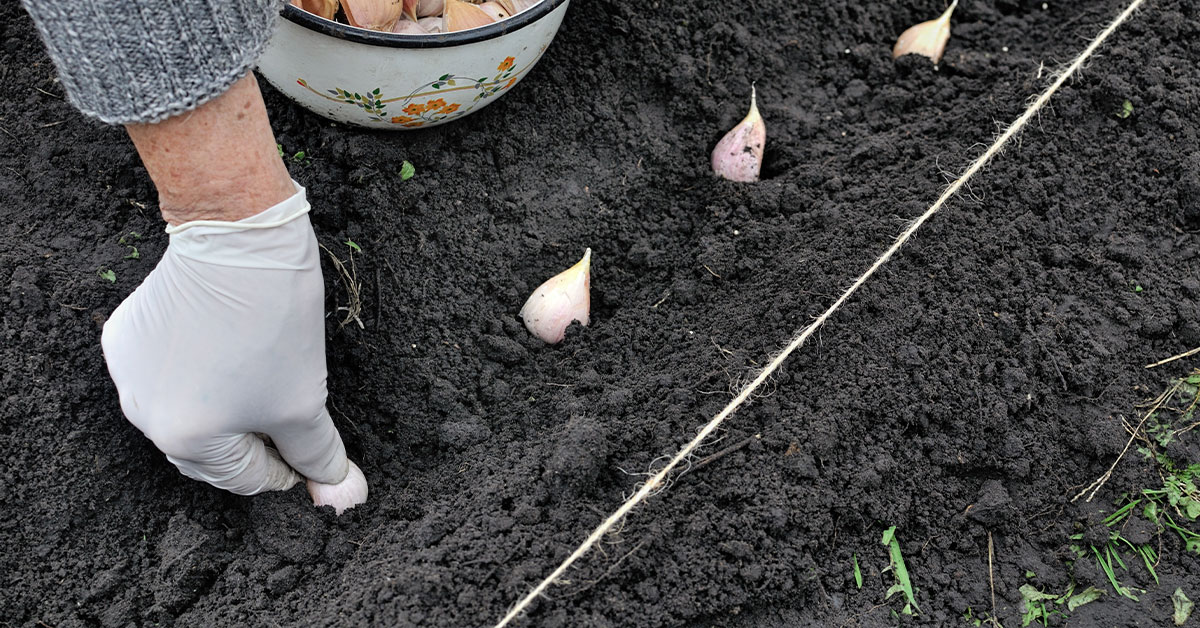

Are you ready to embark on a flavorful and rewarding gardening adventure? Look no further than planting garlic in British Columbia! Known for its diverse climate and fertile soil, this region provides an ideal environment for cultivating this pungent bulb.
But when is the best time to plant garlic in British Columbia to ensure a bountiful harvest? In this article, we will delve into the details of garlic planting, discussing the optimal timing, preparation, and care required to grow this beloved culinary ingredient successfully. Whether you’re a seasoned gardener or a beginner with a green thumb, get ready to learn how to plant garlic at the perfect time for an abundant crop in British Columbia.
Best garlic varieties to grow in British Columbia
There are several good varieties of garlic that grow well in British Columbia. Here are a few popular ones:
- Music: Music garlic is a hardneck variety known for its large cloves and strong flavor. It is easy to grow and adapts well to different climates, including BC’s.
- German Extra Hardy: This hardneck garlic variety is known for its cold hardiness, making it ideal for BC’s colder regions. It has a strong, spicy flavor and large cloves.
- Spanish Roja: Spanish Roja is a softneck garlic variety that thrives in BC’s milder climates. It has a rich, full flavor and stores well.
- Chesnok Red: Another popular hardneck variety, Chesnok Red is known for its purple-striped bulbs and rich, sweet flavor. It adapts well to BC’s varying climates.
- Inchelium Red: Inchelium Red is a softneck garlic variety that is well-suited for BC’s coastal regions. It has a mild, sweet flavor and stores well.
These are just a few examples of garlic varieties that grow well in British Columbia. It’s always a good idea to experiment with different varieties to find the ones that best suit your taste preferences and growing conditions.
When to plant Garlic in British Columbia
In British Columbia, the hardiness zones range from zone 4a to zone 9a. These zones represent the average minimum temperatures experienced in each region, and they play a crucial role in determining what plants can thrive in a particular area.
Here is a breakdown of the hardiness zones in British Columbia:
- Zone 4a: This zone covers the coldest regions in the province, such as parts of the Peace River region and the Rocky Mountain valleys. The average minimum temperature in this zone ranges from -34.4°C to -31.7°C (-30°F to -25°F).
- Zone 4b: This zone includes areas with slightly milder winters compared to zone 4a. It covers parts of the Cariboo and the central interior regions. The average minimum temperature here ranges from -31.7°C to -28.9°C (-25°F to -20°F).
- Zone 5a: This zone encompasses regions like the Bulkley Valley, some parts of the Okanagan Valley, and the southern interior. The average minimum temperature in zone 5a ranges from -28.9°C to -26.1°C (-20°F to -15°F).
- Zone 5b: This zone includes areas with slightly milder winters compared to zone 5a. It covers parts of Vancouver Island, the Fraser Valley, and the southern coastal regions. The average minimum temperature here ranges from -26.1°C to -23.3°C (-15°F to -10°F).
- Zone 6a: This zone covers regions like the Lower Mainland, the southern Vancouver Island, and parts of the Fraser Valley. The average minimum temperature in zone 6a ranges from -23.3°C to -20.6°C (-10°F to -5°F).
- Zone 6b: This zone includes areas with slightly milder winters compared to zone 6a. It covers parts of the southern coast and the Vancouver Island region. The average minimum temperature here ranges from -20.6°C to -17.8°C (-5°F to 0°F).
- Zone 7a: This zone encompasses regions like Vancouver, the southern coast, and parts of Vancouver Island. The average minimum temperature in zone 7a ranges from -17.8°C to -15°C (0°F to 5°F).
- Zone 7b: This zone includes areas with slightly milder winters compared to zone 7a. It covers parts of the southern coastal regions and Vancouver Island. The average minimum temperature here ranges from -15°C to -12.2°C (5°F to 10°F).
- Zone 8a: This zone covers regions like Victoria, the southern coastal areas, and Vancouver Island. The average minimum temperature in zone 8a ranges from -12.2°C to -9.4°C (10°F to 15°F).
- Zone 9a: This zone encompasses the mildest regions in British Columbia, such as Victoria and the southern coastal areas. The average minimum temperature in zone 9a ranges from -9.4°C to -6.7°C (15°F to 20°F).
Now, when it comes to planting garlic in British Columbia, the ideal time to do so depends on the specific hardiness zone. Garlic is typically planted in the fall, as it requires a period of cold weather to develop bulbs. Here are the recommended planting times based on the hardiness zones:
- Zones 4a to 5b: Plant garlic in late September to mid-October.
- Zones 6a to 7b: Plant garlic in mid-October to early November.
- Zones 8a to 9a: Plant garlic in late October to early December.
It’s important to note that these are general guidelines, and local weather conditions can vary. It’s always a good idea to consult with your local garden center or experienced gardeners in your area for more specific information regarding the best planting times for garlic in your particular region of British Columbia.
When to harvest Garlic in British Columbia
The optimal time to harvest garlic in British Columbia is typically in mid to late summer, around July or August. Garlic bulbs are ready to be harvested when the lower leaves start to turn yellow or brown and begin to die back. It is important to monitor the garlic plants closely, as harvesting too early can result in small bulbs, while waiting too long may cause the bulbs to split or deteriorate. It is recommended to harvest garlic when approximately half of the leaves have died back and the remaining leaves are still green.
Other considerations
When growing garlic in British Columbia, there are a few additional considerations to keep in mind:
- Climate: Garlic is typically grown in cooler climates, and British Columbia’s climate is well-suited for its cultivation. However, it’s important to choose garlic varieties that are adapted to your specific region within the province. Some garlic cultivars are better suited for coastal areas, while others thrive in the interior.
- Soil preparation: Garlic prefers well-draining soil with a pH between 6.0 and 7.0. Before planting, it’s essential to amend the soil with organic matter, such as compost or well-rotted manure, to improve fertility and drainage. Avoid planting garlic in heavy clay soils that retain moisture.
- Planting time: Garlic is typically planted in the fall, allowing it to establish roots before winter dormancy. In British Columbia, the ideal time for planting garlic bulbs is between September and early November, depending on your specific location. Consult local gardening resources or experienced gardeners in your area for more precise planting dates.
- Mulching: Applying a layer of organic mulch, such as straw or shredded leaves, around garlic plants can help conserve soil moisture, suppress weed growth, and insulate the bulbs during winter. Mulching is especially crucial in areas with harsh winter conditions.
- Watering: Garlic needs consistent moisture throughout its growing season, especially during the spring when the bulbs begin to form. Water your garlic plants regularly, aiming for around 1 inch of water per week. Avoid overwatering, as excessive moisture can lead to fungal diseases and rot.
- Fertilization: Garlic is a moderate feeder and benefits from regular fertilization. Before planting, incorporate a balanced organic fertilizer into the soil. Additionally, side-dress the plants with nitrogen-rich fertilizer, such as blood meal or fish emulsion, in early spring to support healthy growth.
- Pest and disease management: While garlic is generally resistant to pests and diseases, a few issues can arise. Keep an eye out for aphids, onion maggots, and fungal diseases like white rot or rust. Proper spacing, good air circulation, and practicing crop rotation can help prevent these problems. If necessary, use organic pest control methods or consult a local agricultural extension for guidance.
Remember, garlic is a rewarding and relatively low-maintenance crop to grow. By following these considerations and providing the right growing conditions, you can enjoy a bountiful harvest of flavorful garlic in British Columbia.