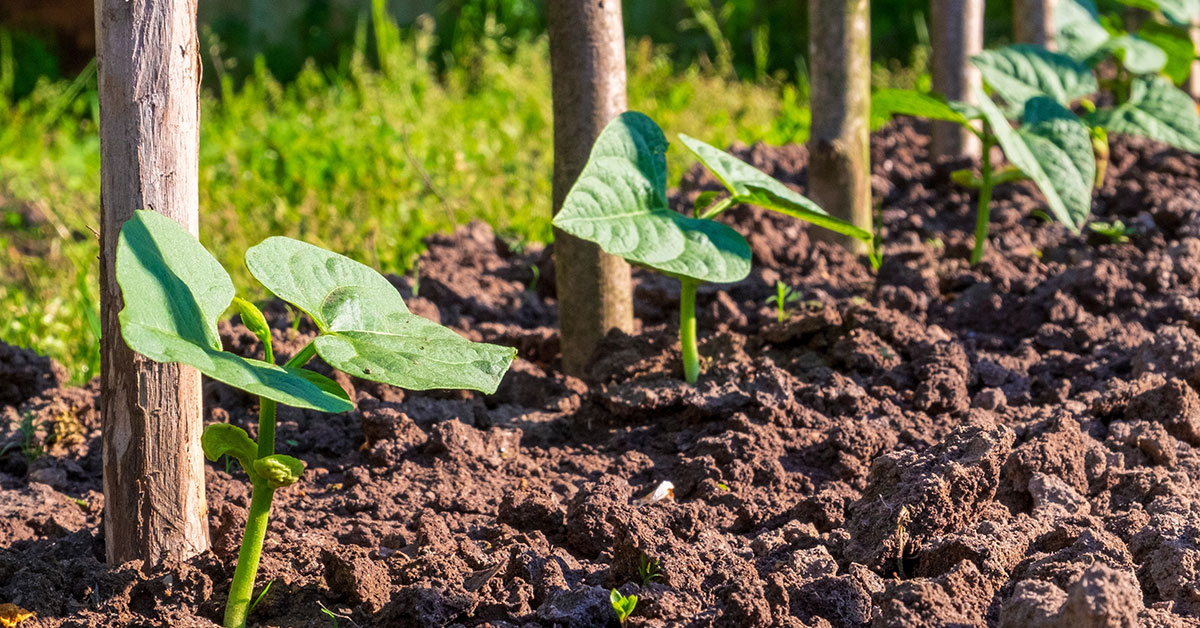

Are you a gardening enthusiast looking to grow your own delicious French beans in the UK? Well, you’ve come to the right place! As an experienced gardener, I understand the importance of timing when it comes to planting. In this article, I will guide you through the best time to plant French beans in the UK, taking into consideration the climate, soil conditions, and the optimal growing season.
Whether you are a beginner or have some gardening experience, by following these recommendations, you will ensure a successful and bountiful harvest of French beans right in your own backyard. So, let’s dive in and discover the perfect timing for planting this versatile and nutritious vegetable!
Best varieties of French beans to grow in the UK
There are several good varieties of French beans that grow well in the UK. Here are a few popular ones:
- ‘Cobra’ – This variety produces long, slender, and stringless beans. It has a high yield and is resistant to common bean diseases.
- ‘Blue Lake’ – This variety is known for its excellent flavor and tender texture. It produces long, straight beans that are stringless and have a great crunch.
- ‘Delinel’ – This dwarf variety is perfect for small gardens or containers. It produces a heavy crop of slim, tasty beans and doesn’t require support.
- ‘Sprite’ – Another dwarf variety, ‘Sprite’ is highly productive and perfect for growing in pots or small spaces. The beans are tender and flavorful.
- ‘Safari’ – This variety is early maturing and produces a heavy crop of delicious beans. It is disease-resistant and performs well in cooler climates.
These are just a few examples, but there are many other varieties available. Consider factors such as taste, yield, disease resistance, and space available when selecting the best variety for your needs.
When to plant French beans in the UK
In the United Kingdom, gardeners often refer to the Royal Horticultural Society’s (RHS) hardiness zones to determine the suitability of different plants for their specific regions. These zones are based on the average annual minimum temperature and provide valuable information regarding plant hardiness and survivability.
The UK is typically divided into three main hardiness zones: H1, H2, and H3. H1 represents the mildest areas, with minimum temperatures above -5°C (23°F). H2 covers regions with minimum temperatures ranging from -5°C to -10°C (23°F to 14°F), while H3 includes the coldest areas, with minimum temperatures dropping below -10°C (14°F).
When it comes to planting French beans (also known as green beans or snap beans) in the UK, it is best to wait until after the risk of frost has passed. French beans are warm-season crops that do not tolerate cold temperatures well. They thrive in temperatures between 15°C and 30°C (59°F to 86°F).
In most parts of the UK, the last frost date falls between late April and early June. Therefore, it is generally safe to plant French beans outdoors from late May onwards, when the soil has warmed up, and the risk of frost has significantly diminished. However, it is always advisable to consult your local weather forecasts and gardening resources for more precise information regarding your specific location.
Before planting French beans, ensure that the soil is well-drained, fertile, and enriched with organic matter. Choose a sunny spot in your garden and sow the beans directly into the soil, around 5cm (2 inches) deep. Space the seeds around 15cm (6 inches) apart and cover them with soil. Water the area thoroughly after planting and continue to provide regular watering throughout the growing season.
French beans typically take around 8 to 12 weeks to reach maturity, depending on the variety. Regularly harvest the beans when they are young and tender to encourage continuous production. Remember to provide support for the plants, such as trellises or stakes, as they grow, to prevent them from sprawling on the ground.
By following these guidelines and considering the local hardiness zones and weather conditions, you can successfully grow French beans in the UK and enjoy a bountiful harvest. Happy gardening!
When to harvest French beans in the UK
The optimal time to harvest French beans in the UK is typically from July to September. However, the exact timing can vary depending on the variety of French beans you are growing and the weather conditions in your specific location. It is best to monitor the plants regularly and start harvesting when the beans are firm, crisp, and about 4-6 inches long. Harvesting regularly, every few days, will encourage the plants to produce more beans.
Other considerations
When growing French beans in the UK, there are several considerations to keep in mind:
- Climate: French beans prefer warm temperatures, so it’s important to choose a sunny spot in your garden that receives at least 6-8 hours of direct sunlight each day. Additionally, French beans are sensitive to cold temperatures, so it’s best to wait until all risk of frost has passed before planting them outdoors.
- Soil: French beans thrive in well-draining soil that is rich in organic matter. Before planting, amend your soil with compost or well-rotted manure to improve its fertility and drainage. The pH level of the soil should be slightly acidic to neutral, around 6.0-7.0.
- Watering: French beans require consistent moisture to develop properly, but they don’t tolerate waterlogged soil. Water the plants regularly, especially during dry spells, but be careful not to overwater. Aim to keep the soil evenly moist, but not soggy.
- Support: French beans are climbing plants and benefit from some form of support. You can provide trellises, bamboo canes, or other structures for the plants to climb on. This will help keep the vines off the ground, making it easier to harvest the beans and reducing the risk of disease.
- Planting and spacing: Sow French bean seeds directly into the garden soil after the last frost date in late spring or early summer. Plant the seeds about 1-2 inches deep and space them 4-6 inches apart. If you’re using pole beans, space the rows about 18-24 inches apart to give the plants enough room to climb.
- Mulching and weed control: Mulching around the base of the plants with organic materials like straw or wood chips can help conserve moisture, suppress weed growth, and regulate soil temperature. Regularly remove any weeds that compete with the French bean plants for nutrients and water.
- Fertilization: Prior to planting, incorporate a balanced organic fertilizer into the soil to provide the beans with essential nutrients. Additionally, you can side-dress the plants with compost or a nitrogen-rich fertilizer once they start flowering to promote healthy growth and abundant bean production.
- Pest and disease control: French beans can be susceptible to pests such as aphids, slugs, and bean beetles. Monitor your plants regularly and take appropriate measures to control these pests, whether through natural methods like handpicking or using organic pest control products. Also, be on the lookout for diseases like powdery mildew or bacterial blight, and promptly address any signs of infection.
By considering these factors, you can increase your chances of successfully growing French beans in the UK and enjoy a bountiful harvest.