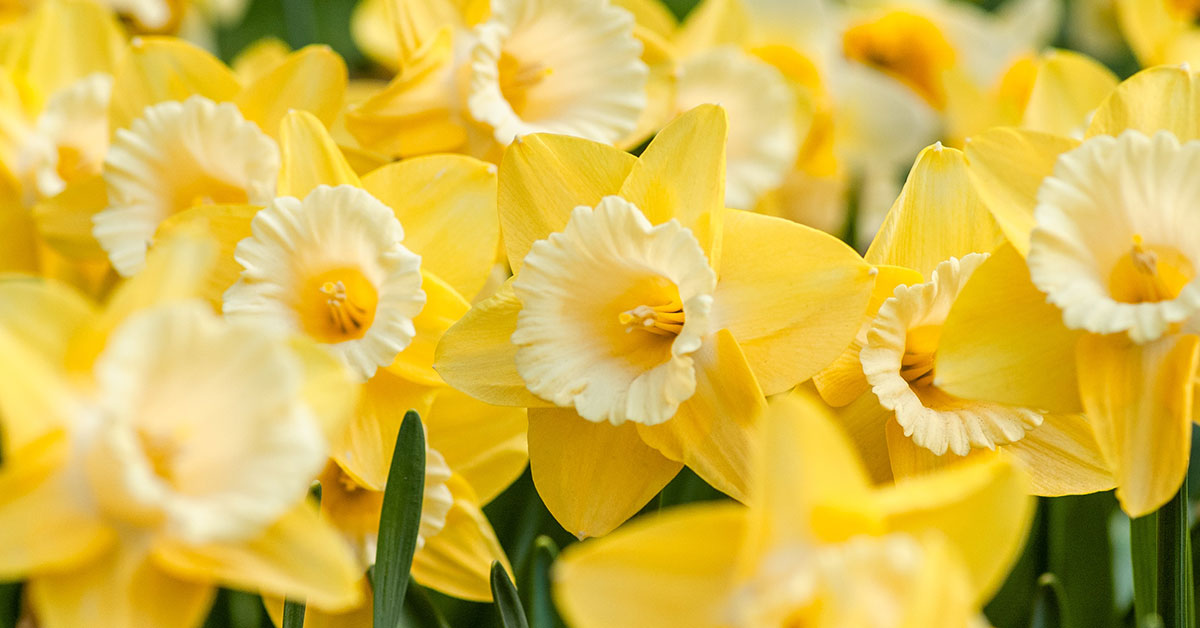

Welcome to the world of daffodils, where vibrant hues of yellow, white, and orange burst forth to announce the arrival of spring. As a gardening expert with a deep understanding of New Zealand’s unique climate, I am here to guide you through the art of planting daffodils in this beautiful country. Daffodils, with their cheerful blooms and delightful fragrance, are a popular choice for Kiwi gardeners, but timing is crucial when it comes to planting these bulbs. In this article, we will explore the optimal time to plant daffodils in New Zealand, taking into account the varying climatic conditions across the country.
Whether you are a seasoned gardener or a beginner looking to add a touch of springtime magic to your garden, read on to discover the best time to plant daffodils and ensure a stunning display of these iconic flowers in your New Zealand garden.
Best varieties of Daffodils to grow in New Zealand
There are several varieties of daffodils that grow well in New Zealand’s climate. Here are a few popular ones:
- ‘Tête-à-Tête’: This miniature daffodil is one of the earliest to bloom, usually in late winter or early spring. It has bright yellow flowers and grows to a height of about 15-20 cm. ‘Tête-à-Tête’ is well-suited for borders, rock gardens, and containers.
- ‘Ice Follies’: This large-cupped daffodil features creamy white petals and a prominent yellow cup. It blooms in mid-spring and grows to a height of around 40-45 cm. ‘Ice Follies’ is a reliable performer and looks stunning when planted in groups.
- ‘Mount Hood’: This classic white daffodil has large, pure white flowers with a slightly frilled cup. It blooms in mid-spring and reaches a height of about 45-50 cm. ‘Mount Hood’ is a vigorous grower and makes an excellent cut flower.
- ‘Jetfire’: This cyclamineus daffodil has vibrant yellow petals and a distinctive orange-red cup. It blooms in mid-spring and grows to a height of around 25-30 cm. ‘Jetfire’ is known for its long-lasting blooms and is great for naturalizing in lawns or under trees.
- ‘Golden Ducat’: This trumpet daffodil has bright yellow flowers and a large, flared cup. It blooms in mid-spring and reaches a height of about 40-45 cm. ‘Golden Ducat’ is a robust variety that is suitable for borders, beds, and naturalizing.
These varieties are just a few examples, and there are many more daffodil cultivars available in New Zealand. When selecting daffodils, consider factors such as bloom time, height, flower form, and color to create a diverse and beautiful display in your garden.
When to plant Daffodils in New Zealand
The best time to plant daffodils in New Zealand is during autumn, typically between March and May. This allows the bulbs to establish their root systems before the colder winter months. Planting them in autumn also ensures that they receive the necessary chilling period required for proper flowering in spring.
How to grow
Growing daffodils in New Zealand is relatively easy, as they are well-suited to the climate and soil conditions. Here are the steps and considerations to keep in mind:
- Choosing the right variety: There are numerous daffodil varieties available, each with its own bloom time, height, and flower shape. Select varieties that are known to perform well in your region and suit your preferences.
- Planting time: Daffodil bulbs should be planted in autumn, ideally between March and May, before the soil temperature drops too low. This allows the bulbs to establish roots before winter.
- Site selection: Daffodils prefer a sunny or partially shaded location with well-drained soil. Avoid areas prone to waterlogging, as excessive moisture can cause the bulbs to rot.
- Soil preparation: Before planting, prepare the soil by removing any weeds and loosening it with a garden fork or spade. Incorporate organic matter, such as compost or well-rotted manure, to improve soil fertility and drainage.
- Planting depth and spacing: Dig a hole or trench that is approximately three times the height of the bulb. Place the bulb in the hole with the pointed end facing upwards. Space the bulbs about 10-15 cm apart, depending on the variety.
- Fertilization: Daffodils benefit from a balanced bulb fertilizer applied at planting time. Follow the manufacturer’s instructions for the appropriate amount to use. Avoid excessive nitrogen, as it can promote foliage growth at the expense of flower production.
- Watering: After planting, water the bulbs thoroughly to settle the soil and encourage root growth. During the growing season, daffodils generally do not require much additional watering unless there is a prolonged dry spell.
- Mulching: Apply a layer of organic mulch, such as straw or bark chips, around the daffodil bulbs to conserve moisture, suppress weeds, and insulate the soil against temperature fluctuations.
- Maintenance: Remove spent flowers to prevent seed formation and promote bulb energy storage. Allow the foliage to die back naturally, as this process replenishes the bulb for the following year’s growth. Avoid cutting back the foliage until it turns yellow or brown.
- Pest and disease control: Daffodils are generally resistant to pests and diseases. However, keep an eye out for common issues such as narcissus bulb fly, slugs, and snails. Use appropriate control measures if necessary.
By following these steps and considerations, you can enjoy a beautiful display of daffodils in your New Zealand garden.
When do Daffodils bloom in New Zealand?
Daffodils typically bloom in New Zealand during the spring season, which is from September to November. The exact timing can vary depending on the region and weather conditions, but generally, you can expect daffodils to start blooming in late winter or early spring.
Other considerations
When growing daffodils in New Zealand, there are a few important considerations to keep in mind:
- Climate: Daffodils are well-suited to New Zealand’s temperate climate. They prefer cool winters and mild summers. However, different regions in New Zealand have varying climates, so it’s important to choose daffodil varieties that are suitable for your specific area.
- Soil: Daffodils prefer well-draining soil that is rich in organic matter. They thrive in slightly acidic to neutral soil with a pH range of 6.0 to 7.0. If your soil is heavy clay or poorly draining, consider adding compost or well-rotted organic matter to improve drainage.
- Sunlight: Daffodils require full sun to thrive and produce abundant blooms. Choose a location in your garden that receives at least 6 hours of direct sunlight per day. Avoid planting them in areas with excessive shade, as this can result in weak growth and reduced flowering.
- Planting time: Daffodils are typically planted in autumn, around March to May, before the ground becomes too cold. This allows the bulbs to establish roots before winter. However, planting times may vary depending on your specific region and climate. Consult local gardening resources or nurseries for the best planting time in your area.
- Planting depth and spacing: Daffodil bulbs should be planted at a depth of approximately 2 to 3 times their own height. This means larger bulbs should be planted deeper than smaller ones. Space the bulbs about 10 to 15 centimeters apart to allow for proper airflow and growth.
- Watering: Daffodils are relatively drought-tolerant once established, but they still require regular watering during their active growth period. Water deeply and thoroughly, ensuring the soil is evenly moist but not waterlogged. Avoid overwatering, as this can cause bulb rot.
- Fertilizing: Daffodils benefit from a balanced fertilizer application in early spring when they start to emerge. Use a slow-release fertilizer or a well-balanced organic fertilizer to provide essential nutrients for healthy growth and abundant blooms.
- Mulching: Applying a layer of organic mulch, such as bark chips or straw, around daffodil plants can help conserve moisture, suppress weeds, and regulate soil temperature. Mulching also adds organic matter to the soil as it breaks down.
- Deadheading and maintenance: After daffodils have finished blooming, it’s important to deadhead the spent flowers. This prevents the plant from putting energy into seed production and encourages bulb development for the following year. Allow the foliage to die back naturally before removing it, as this helps the bulbs store energy for future growth.
By considering these factors, you can ensure successful daffodil growth and enjoy their beautiful blooms in your New Zealand garden.