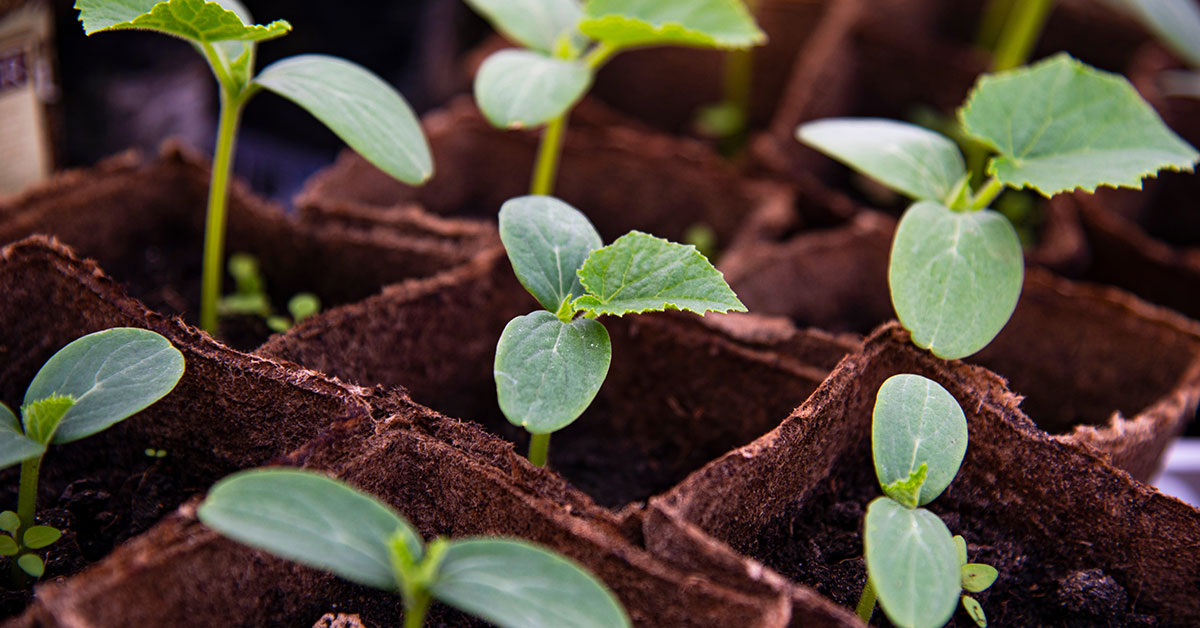

If you’re a gardening enthusiast looking to grow cucumbers in zone 9, this guide will help the success of your garden. This region, known for its warm and temperate climate, offers ample opportunities for a successful cucumber harvest.
However, timing is crucial when it comes to planting cucumbers in zone 9. Understanding the best time to sow cucumber seeds or transplant seedlings can significantly impact the health and productivity of your cucumber plants.
Best varieties of Cucumbers for zone 9
In zone 9, you have a wide range of cucumber varieties to choose from. Here are a few popular options:
- ‘Marketmore 76’: This is a classic slicing cucumber variety that performs well in warm climates. It produces dark green, slender fruits with a crisp texture.
- ‘Lemon’: If you’re looking for a unique cucumber variety, ‘Lemon’ is a great choice. It produces round, yellow fruits that resemble lemons. They have a mild flavor and are perfect for pickling or adding to salads.
- ‘Straight Eight’: This is another popular slicing cucumber variety that thrives in warmer climates. It produces straight, dark green fruits with a smooth skin and crisp flesh.
- ‘Divina’: If you’re interested in growing pickling cucumbers, ‘Divina’ is an excellent choice. It produces small, blocky fruits with a crisp texture, ideal for making pickles.
- ‘Japanese Long’: As the name suggests, this variety originates from Japan and produces long, slender cucumbers. They have a mild flavor and are perfect for slicing and adding to salads or sandwiches.
- ‘Armenian’: Also known as ‘Snake’ or ‘Serpent’ cucumber, this variety produces long, curved fruits with a thin skin. They have a slightly sweet and crisp flesh, perfect for fresh eating or pickling.
Remember to provide your cucumbers with ample sunlight, well-draining soil, and consistent moisture for optimal growth.
When to plant Cucumbers in zone 9
In gardening, understanding the hardiness zones is crucial for determining the best time to plant various crops. Hardiness zones provide a way to categorize regions based on their average annual minimum temperatures. One such widely used system is the USDA Hardiness Zone Map.
Zone 9 is characterized by mild winters and hot summers, with average minimum temperatures ranging from 20 to 30 degrees Fahrenheit (-6.7 to -1.1 degrees Celsius). This zone is found in southern regions of the United States, such as parts of Florida, Texas, Arizona, and southern California.
For cucumbers, which are warm-season vegetables, the ideal time to plant in zone 9 is in the spring when the soil has warmed up and there is no longer a risk of frost. The recommended planting time is typically after the average last frost date for your specific area.
In zone 9, the average last frost date can vary depending on your location. However, a general guideline is to wait until late March to early April to plant cucumbers. By this time, the soil temperature should be around 60 degrees Fahrenheit (15.6 degrees Celsius), which is ideal for seed germination and plant growth.
To maximize your cucumber harvest, it is also important to consider the length of the growing season. In zone 9, the long, hot summers provide an extended growing season for cucumbers. This allows for multiple plantings and successive harvests throughout the summer.
When planting cucumbers, it is essential to choose a sunny location in your garden that receives at least 6-8 hours of direct sunlight per day. Cucumbers also thrive in well-draining soil, so ensure that the soil is loose, fertile, and rich in organic matter.
To get started, you can either sow cucumber seeds directly into the prepared garden bed or start them indoors a few weeks before the last frost date and transplant the seedlings once the weather has warmed up. Remember to provide adequate water and monitor the plants for pests and diseases.
By following these guidelines and considering the unique characteristics of zone 9, you can enjoy a bountiful cucumber harvest throughout the summer season.
When to harvest Cucumbers in zone 9
In zone 9, the optimal time to harvest cucumbers is typically when they reach their mature size and have a firm texture. This usually occurs around 50-60 days after planting, depending on the variety. It is important to regularly check your cucumber plants for ripe cucumbers to avoid overripening, which can result in a bitter taste and tough skin. Look for cucumbers that are a vibrant green color and have a smooth skin. They should be about 6-8 inches long for slicing cucumbers and around 3-4 inches long for pickling cucumbers. Harvesting cucumbers regularly encourages the plant to produce more, so be sure to pick them as soon as they are ready.
Other considerations for growing Cucumbers
When growing cucumbers in zone 9, there are several considerations to keep in mind:
- Sunlight: Cucumbers require full sun for at least 6-8 hours a day. Ensure that you choose a location in your garden that receives ample sunlight.
- Temperature: Zone 9 can have hot summers, so it’s important to choose cucumber varieties that are heat-tolerant. Look for varieties like ‘Marketmore 76’ or ‘Lemon’ that can handle the higher temperatures.
- Watering: Cucumbers need consistent moisture to thrive, especially in hot climates. Water deeply and regularly, ensuring the soil is consistently moist but not waterlogged. Mulching can help retain moisture and keep the soil cool.
- Soil: Cucumbers prefer well-draining, fertile soil with a pH level of 6.0-7.0. Amend the soil with organic matter such as compost or well-rotted manure to improve its nutrient content and drainage.
- Trellising: Growing cucumbers vertically on trellises or supports can save space and improve air circulation around the plants. This can help reduce disease incidence and make harvesting easier.
- Pest and disease management: Cucumbers can be susceptible to pests like aphids, cucumber beetles, and diseases like powdery mildew. Regularly inspect your plants for any signs of infestation or disease and take appropriate measures like using organic insecticides or fungicides if necessary.
- Timing: Start cucumber seeds indoors 3-4 weeks before the last frost date or directly sow them in the ground after the danger of frost has passed. Cucumbers thrive in warm soil, so ensure the soil temperature is at least 60°F (15°C) for successful germination.
- Pollination: Cucumbers require pollination for fruit set. Encourage pollinators like bees and butterflies to visit your garden by planting flowers nearby. If you notice poor fruit set, you can hand-pollinate the flowers using a small brush or by gently shaking the plants to distribute pollen.
By considering these factors, you can successfully grow cucumbers in zone 9 and enjoy a bountiful harvest.