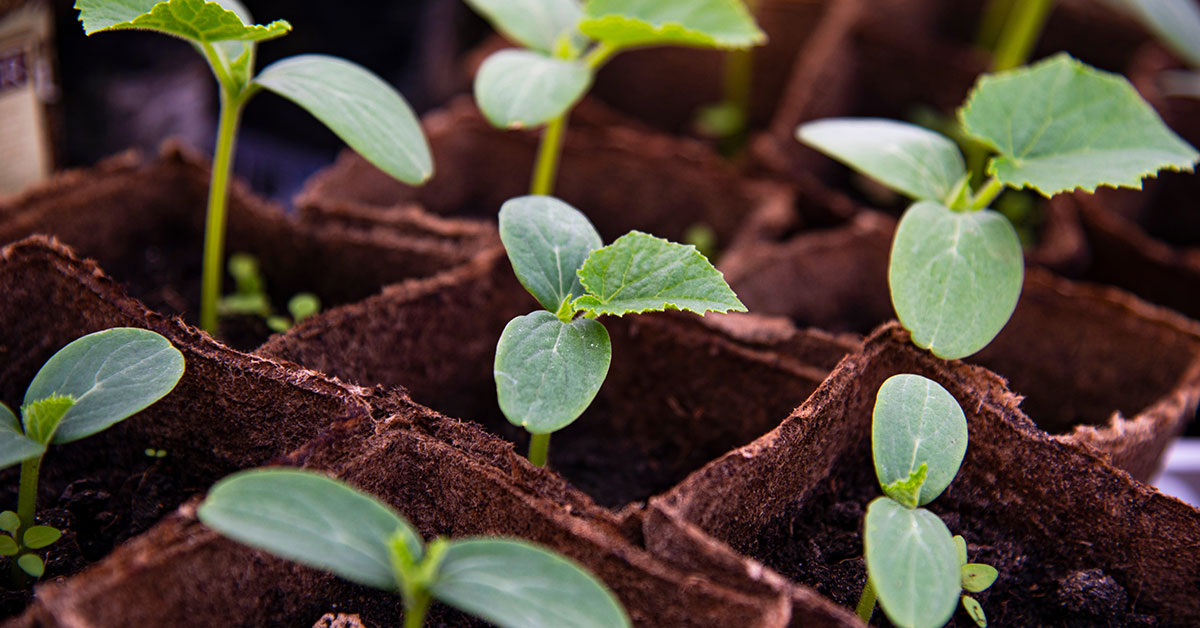

Knowing the best time to plant cucumbers in zone 6 will amplify your success with your garden during the growing season. Zone 6 is characterized by its moderate climate, with cold winters and hot summers. This unique climate presents some challenges but also provides opportunities for successful cucumber cultivation.
In this article, we will explore the ideal timing for planting cucumbers in zone 6, taking into consideration the frost dates, soil temperature, and other important factors.
Best varieties of Cucumbers for zone 6
In zone 6, there are several cucumber varieties that perform well. Here are some popular options:
- ‘Marketmore 76’: This is a classic slicing cucumber that is known for its disease resistance and high yield.
- ‘Straight Eight’: Another popular slicing cucumber, ‘Straight Eight’ produces long and straight fruits with a crisp texture.
- ‘Lemon’: This variety is unique as it produces round, yellow fruits that resemble lemons. They have a mild flavor and are great for pickling or fresh eating.
- ‘Bush Champion’: If you have limited space, this compact bush variety is a great choice. It doesn’t require much staking or trellising and produces a good yield of cucumbers.
- ‘Pickling’ or ‘Boston Pickling’: These varieties are specifically bred for pickling. They produce small, crunchy cucumbers that are perfect for making pickles.
- ‘Armenian’: Also known as ‘Snake’ or ‘Serpent’ cucumber, this variety produces long, slender fruits with a crisp texture. They have a mild flavor and are great for fresh eating or pickling.
Remember to check the seed packet or plant label for specific information on the variety’s suitability for your climate and growing conditions in zone 6.
When to plant Cucumbers in zone 6
In gardening, understanding your hardiness zone is essential for successful plant growth. The United States Department of Agriculture (USDA) has developed a system known as the hardiness zone map, which divides the country into different zones based on average annual minimum temperatures. Each zone is assigned a number, ranging from 1 to 13, with 1 being the coldest and 13 being the warmest.
For your specific question about cucumbers and zone 6, it is important to note that zone 6 typically experiences cold winters with average minimum temperatures falling between -10°F (-23°C) and 0°F (-18°C). This information is crucial when determining the best time to plant cucumbers in this particular zone.
Cucumbers are warm-season vegetables that thrive in temperatures between 60°F (15°C) and 90°F (32°C). They are sensitive to frost and cannot tolerate cold temperatures. Therefore, it is crucial to wait until after the last frost date before planting cucumbers in zone 6.
The last frost date varies depending on the region within zone 6. Generally, it falls between late April and mid-May. To determine the specific date for your area, you can consult the USDA hardiness zone map or contact your local agricultural extension office.
Once the last frost has passed, it is safe to plant cucumbers in zone 6. However, it is worth noting that cucumbers enjoy warm soil, so it is beneficial to wait until the soil temperature reaches a minimum of 60°F (15°C) before planting. This typically occurs a few weeks after the last frost date.
To prepare for planting, ensure that the soil is well-drained and rich in organic matter. Cucumbers thrive in full sun, so select a location in your garden that receives at least 6-8 hours of direct sunlight per day.
When planting cucumbers, you have two options: direct seeding or starting seeds indoors and transplanting later. Direct seeding involves sowing cucumber seeds directly into the garden soil, whereas starting seeds indoors allows you to get a head start by planting young seedlings.
If you choose to start seeds indoors, begin the process about 3-4 weeks before the last frost date. This will give the seedlings ample time to grow before transplanting them into the garden once the weather and soil have warmed up.
In conclusion, for zone 6, the best time to plant cucumbers is after the last frost date, when the soil temperature has reached at least 60°F (15°C). By following these guidelines and considering the specific conditions of your area within zone 6, you can ensure a successful cucumber harvest in your garden.
When to harvest Cucumbers in zone 6
In zone 6, the optimal time to harvest cucumbers is typically in late summer to early fall, when the fruits are fully mature and have reached their desired size. This usually occurs around 50-60 days after planting, depending on the specific cucumber variety. To determine if a cucumber is ready for harvest, look for these signs:
- Size and color: Cucumbers should be firm and have reached their expected size. Most varieties are harvested when they are 6-8 inches long, but this can vary depending on the type of cucumber you are growing. Additionally, the skin color should be vibrant and consistent, indicating maturity.
- Texture: Gently squeeze the cucumber. It should feel firm but not rock-hard. Avoid cucumbers that feel soft or have wrinkled skin, as these may be overripe or starting to go bad.
- Taste: If you’re unsure about the readiness of a cucumber, you can always taste a small piece. It should have a crisp texture and a fresh, mildly sweet flavor. If it tastes bitter or has a strong flavor, it may be past its prime.
Remember to check your cucumber plants daily during the harvest period, as cucumbers can rapidly increase in size, especially in warmer weather. Regular harvesting also encourages the plant to produce more cucumbers.
Other considerations for growing Cucumbers
When growing cucumbers in zone 6, there are a few additional considerations to keep in mind:
- Timing: Cucumbers are warm-season crops and require a long growing season. Start seeds indoors 3-4 weeks before the last frost date in your area or directly sow seeds outdoors once the soil has warmed up to at least 60°F (15°C). Make sure to check the specific recommended planting dates for your cucumber variety.
- Sunlight: Cucumbers thrive in full sun, so choose a location in your garden that receives at least 6-8 hours of direct sunlight per day. Adequate sunlight promotes healthy plant growth and higher fruit production.
- Soil: Cucumbers prefer well-draining soil rich in organic matter. Prepare the soil by incorporating compost or well-rotted manure before planting. Aim for a slightly acidic to neutral soil pH between 6.0 and 7.0.
- Watering: Cucumbers require consistent moisture, especially during fruit development. Water deeply and regularly, ensuring the soil remains consistently moist but not waterlogged. Avoid overhead watering to prevent the spread of diseases.
- Mulching: Apply a layer of organic mulch, such as straw or wood chips, around the cucumber plants. Mulching helps retain soil moisture, suppress weeds, and regulate soil temperature.
- Trellising: Cucumbers are vining plants and will benefit from trellising or support structures. Training them vertically can save space, improve air circulation, and make harvesting easier. Install trellises or stakes at planting time to avoid disturbing the roots later.
- Pollination: Cucumbers require pollination to set fruit. Encourage pollinators, such as bees, by planting flowers nearby or providing a water source. If pollinators are scarce, you may need to hand-pollinate the female flowers using a small brush.
- Pest and disease management: Cucumbers are prone to various pests and diseases, including cucumber beetles, powdery mildew, and downy mildew. Monitor your plants regularly and take appropriate measures, such as using organic insecticides or fungicides, to control infestations and prevent disease spread.
- Harvesting: Harvest cucumbers regularly when they reach the desired size, usually between 6-8 inches (15-20 cm) long. Regular harvesting promotes continuous fruit production and prevents overripe, bitter cucumbers.
By considering these factors, you can increase your chances of successfully growing cucumbers in zone 6. Happy gardening!