
Knowing the importance of timing when it comes to planting cucumbers in zone 4 is crucial for the success of your garden.
Cucumbers are a versatile and refreshing addition to any garden, known for their crisp texture and delightful taste. However, due to their warm weather preferences, it is crucial to select the right time for planting to ensure a bountiful harvest.
In this article, we will explore the optimal planting window, discuss the ideal conditions for cucumbers, and provide valuable tips to help you achieve success in growing this beloved vegetable in zone 4.
Best varieties of Cucumbers for zone 4
In Zone 4, which has a shorter growing season and cooler temperatures, it’s important to choose cucumber varieties that are well-suited for these conditions. Here are a few recommendations:
- ‘Marketmore 76’: This is a classic slicing cucumber that performs well in cooler climates. It has good disease resistance and produces straight, dark green fruits.
- ‘Northern Pickling’: As the name suggests, this variety is ideal for pickling. It has a shorter growing season and can tolerate cooler temperatures.
- ‘Bush Champion’: If you have limited space or prefer growing cucumbers in containers, this compact variety is a great choice. It produces a good yield of slicing cucumbers and doesn’t require trellising or staking.
- ‘Lemon Cucumber’: This unique variety produces round, yellow fruits that resemble lemons. It has a crisp texture and mild flavor, perfect for fresh eating or adding to salads.
- ‘Cool Breeze’: This cucumber variety is specifically bred for cooler climates. It has good disease resistance and can tolerate lower temperatures, ensuring a successful harvest even in shorter growing seasons.
Remember to provide your cucumber plants with full sun, well-drained soil, and consistent moisture to maximize their growth and productivity.
When to plant Cucumbers in zone 4
In the United States, hardiness zones are a useful tool for gardeners to determine which plants are most likely to thrive in their specific climate conditions. Zone 4 is known for its cold winters and relatively short growing season. It covers regions with average minimum temperatures that range from -30°F to -20°F (-34°C to -29°C). Some states that fall under Zone 4 include Montana, North Dakota, Minnesota, Wisconsin, and parts of Maine and Vermont.
When it comes to planting cucumbers in Zone 4, it’s important to consider the relatively short growing season and the potential for late spring frosts. Cucumbers are warm-season vegetables that require both warmth and adequate sunlight to thrive. Therefore, it is best to plant cucumbers when the danger of frost has passed and the soil temperature has warmed up sufficiently for their growth.
Typically, the best time to plant cucumbers in Zone 4 is after the last frost date, which usually occurs around mid to late May. However, it’s always a good idea to consult your local agricultural extension or gardening resources to get more accurate information about the specific frost dates in your area.
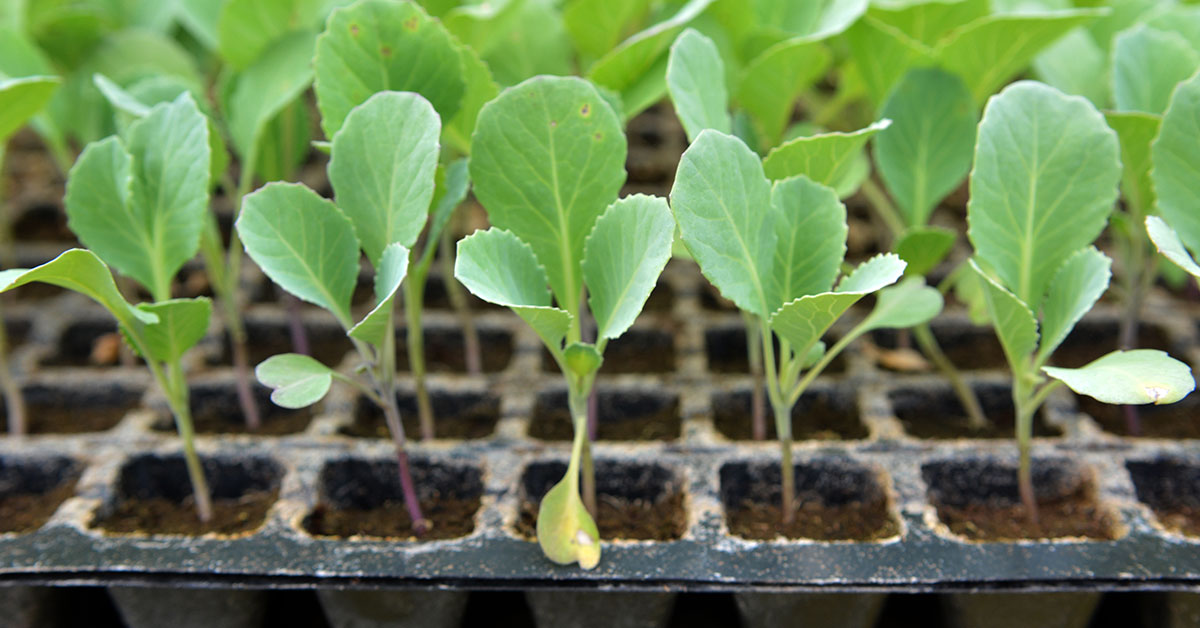
To give your cucumbers a head start, you can start seeds indoors about 3-4 weeks before the last frost date. This will allow the seedlings to develop and strengthen before being transplanted outdoors. Use biodegradable pots or peat pellets to start the seeds, as this will make transplanting easier and minimize root disturbance.
When selecting cucumber varieties for Zone 4, look for cultivars that are known to mature quickly or have a shorter growing season. These varieties are often labeled as “early” or “short season” cucumbers. They are bred to produce an abundant crop within the relatively limited growing season of Zone 4.
Once the soil has warmed up and all frost risks have passed, it’s time to transplant your cucumber seedlings into the garden. Choose a sunny spot with well-drained soil and ensure that the plants receive at least 6-8 hours of direct sunlight each day. Cucumbers also appreciate fertile soil, so amend it with compost or well-rotted manure before planting.
To give your cucumber plants a better chance to thrive in Zone 4, consider using protective measures like row covers or cloches to shield them from cold temperatures and potential late spring frosts. These covers can help create a microclimate that allows the plants to grow and produce even in less-than-ideal conditions.
Remember to water your cucumber plants regularly, ensuring that the soil remains consistently moist but not waterlogged. Mulching around the plants can help conserve soil moisture and suppress weed growth.
By following these guidelines and paying attention to local climate conditions, you can successfully grow cucumbers in Zone 4 and enjoy a bountiful harvest during the relatively short growing season.
When to harvest Cucumbers in zone 4
In zone 4, the optimal time to harvest cucumbers is typically in late summer or early fall. Cucumbers are warm-season vegetables that require a long, frost-free growing season to fully mature. It usually takes about 50 to 70 days from planting for cucumbers to reach harvesting size, depending on the specific variety.
When harvesting cucumbers, look for bright green color, firmness, and a size that matches the variety you planted. Generally, cucumbers are ready to harvest when they are 6 to 8 inches in length, although this can vary depending on the cultivar. It’s important to check your specific cucumber variety for recommended harvesting size.
Regularly check your cucumber plants for ripe cucumbers, as they can grow rapidly and become overripe if left on the vine too long. Harvesting cucumbers regularly also encourages the plant to produce more fruit. Using a sharp knife or garden shears, cut the cucumber off the vine, leaving a short stem attached.
Remember to harvest cucumbers before the first frost. They are sensitive to cold temperatures and can be damaged by frost.
Other considerations for growing Cucumbers
When growing cucumbers in zone 4, there are several considerations to keep in mind:
- Temperature: Cucumbers thrive in warm temperatures, so it’s important to choose cucumber varieties that are suited for cooler climates. Look for varieties that have a shorter growing season and can tolerate cooler temperatures.
- Frost dates: Determine the average last frost date in your area and plant cucumber seeds or seedlings accordingly. Cucumbers are sensitive to frost. Make sure to protect them by using row covers or cloths if there’s a chance of late frost.
- Soil preparation: Prepare the soil well before planting. Cucumbers prefer well-draining soil that is rich in organic matter. Add compost or well-rotted manure to improve soil fertility and drainage.
- Sunlight: Cucumbers require at least 6-8 hours of direct sunlight per day to thrive. Choose a sunny location in your garden to plant cucumbers.
- Trellising: Consider using trellises or stakes to support cucumber vines. This can help save space in your garden and improve air circulation around the plants, reducing the risk of diseases.
- Watering: Cucumbers need consistent moisture to grow well. Water regularly, especially during hot and dry periods. Avoid overhead watering, as wet leaves can promote fungal diseases. Instead, water at the base of the plants.
- Pollination: Cucumbers require pollination to produce fruit. Bees and other pollinators are necessary for this process. If you have a limited number of pollinators in your area, you can hand-pollinate the female flowers by transferring pollen from the male flowers using a small brush or cotton swab.
- Pest and disease management: Monitor your plants regularly for common cucumber pests such as cucumber beetles, aphids, and powdery mildew. Consider using organic pest control methods like insecticidal soap or neem oil to manage pest infestations.
- Harvesting: Harvest cucumbers when they reach the desired size. Regularly picking mature cucumbers encourages the plant to produce more fruit. Be careful not to damage the vines or stems while harvesting.
By considering these factors, you can successfully grow cucumbers in zone 4 and enjoy a bountiful harvest.