
Growing cucumbers in zone 13 can be an easy and rewarding experience given the right information about when to start a garden. Cucumbers are a refreshing and versatile vegetable that can be enjoyed in salads, pickles, or even as a refreshing snack on a hot summer day.
We will talk about the optimal planting times for cucumbers in this specific climate zone. Whether you’re a seasoned gardener or just starting out, understanding the ideal planting window will help you achieve a bountiful cucumber harvest and ensure your gardening efforts are successful.
Best varieties of Cucumbers for zone 13
In Zone 13, which has a warm and tropical climate, there are several cucumber varieties that perform well. Here are a few popular choices:
- Armenian Cucumber: This variety is also known as “Snake Melon” or “Yard Long Cucumber.” It is a long, slender cucumber with a mild, sweet flavor. Armenian cucumbers can grow up to 2 feet long and are excellent for slicing or pickling.
- Asian Cucumber: Asian cucumbers, such as the Japanese or Korean varieties, are crisp, tender, and have a mild taste. They are typically smaller in size and have a thin skin that does not require peeling. These cucumbers are great for fresh eating or adding to salads.
- Suyo Long Cucumber: Suyo Long cucumbers are an heirloom variety that originated in China. They are long and ribbed with a crisp texture and sweet flavor. This variety is heat-tolerant and can withstand high temperatures, making it suitable for Zone 13.
- Lemon Cucumber: Lemon cucumbers are small, round cucumbers that resemble lemons in both color and shape. They have a mild, slightly sweet taste and a thin skin that is tender enough to eat. Lemon cucumbers are excellent for fresh eating, pickling, or adding to salads.
- Persian Cucumber: Persian cucumbers are small, seedless cucumbers with a sweet and crunchy flesh. They have a thin, edible skin and are known for their excellent flavor. Persian cucumbers are versatile and can be used in salads, sandwiches, or simply eaten as a snack.
Remember to provide your cucumbers with well-drained soil, regular watering, and plenty of sunlight for optimal growth and yield. Happy gardening!
When to plant Cucumbers in zone 13
In gardening, understanding the hardiness zones specific to your area is crucial for successful plant cultivation. Zone 13 is characterized by a tropical climate, typically found in southern regions like Hawaii and Puerto Rico. As a gardener in Zone 13, you have the advantage of a longer growing season with higher temperatures and milder winters.
When it comes to planting cucumbers in Zone 13, it’s essential to consider both the temperature and the timing. Cucumbers are warm-season vegetables that thrive in temperatures between 70°F to 95°F (21°C to 35°C). They require at least 6-8 hours of direct sunlight daily and well-draining soil.
The best time to plant cucumbers in Zone 13 is during the warm months of spring and summer when the soil has warmed up sufficiently. Typically, you can start planting cucumber seeds or seedlings outdoors after the last frost date, which usually occurs around late February to early March in this zone.
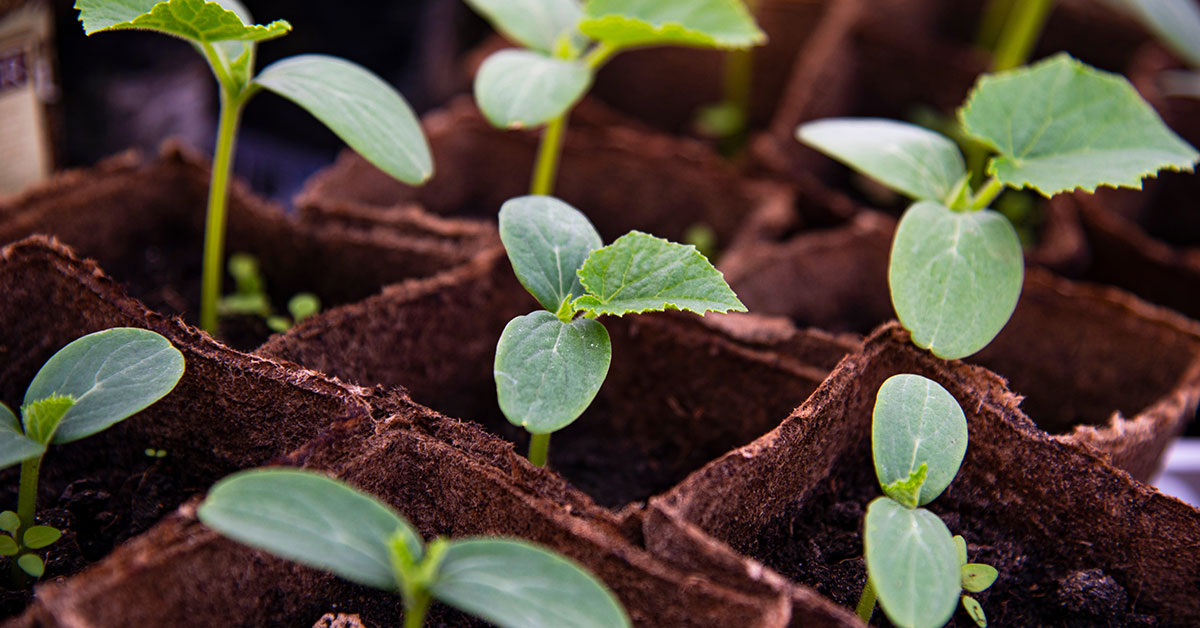
If you prefer to start cucumbers indoors, you can do so about 3-4 weeks before the last frost date. Plant the seeds in biodegradable pots and keep them in a warm and well-lit area. Once the danger of frost has passed, you can transplant the seedlings into your garden.
To ensure successful cucumber growth, it’s important to provide them with proper support, such as trellises or cages, as they are vine plants and tend to sprawl. Additionally, regular watering and mulching the soil around the plants will help retain moisture and suppress weed growth.
In Zone 13, the longer growing season allows for multiple cucumber plantings. You can stagger your plantings every few weeks to ensure a continuous harvest throughout the warm season. This will also help avoid overwhelming your garden with an abundance of cucumbers at once.
Remember to monitor the weather conditions and adjust your watering schedule accordingly. Consistent watering, especially during hot and dry periods, is crucial for healthy cucumber plants.
By following these guidelines, you can enjoy a bountiful cucumber harvest in Zone 13. Happy gardening!
When to harvest Cucumbers in zone 13
In zone 13, the optimal time to harvest cucumbers is when they are firm, crisp, and fully grown. Typically, cucumbers are ready to be harvested around 50-70 days after planting, depending on the variety. However, it’s important to regularly check your plants for mature cucumbers as they can quickly become overripe and lose their taste and texture. Harvesting them when they are about 6-8 inches long is ideal for most varieties.
Other considerations for growing Cucumbers
When growing cucumbers in zone 13, there are a few additional considerations to keep in mind:
- Sunlight: Cucumbers are sun-loving plants and require at least 6-8 hours of direct sunlight per day. Ensure that your cucumber plants are placed in a location that receives ample sunlight throughout the day.
- Temperature: Zone 13 typically experiences warm to hot temperatures. Cucumbers thrive in warm weather, with an ideal temperature range of 70-85°F (21-29°C). However, excessive heat can stress the plants, so providing some shade during the hottest part of the day can help protect them.
- Watering: Cucumbers need consistent and adequate moisture to grow well. In zone 13, where temperatures can be high, it’s important to water the plants deeply and regularly to prevent the soil from drying out. Aim to water at the base of the plants to avoid wetting the foliage, as this can lead to disease issues.
- Soil quality: Cucumbers prefer a well-draining soil with plenty of organic matter. Before planting, enrich the soil with compost or well-rotted manure to improve its fertility and drainage. Maintaining a slightly acidic to neutral soil pH of 6.0-7.0 is also beneficial.
- Trellising or support: Cucumbers are vining plants that benefit from trellising or support structures. Growing cucumbers vertically not only saves space but also helps keep the fruit off the ground, reducing the risk of rot and disease.
- Pest and disease management: Keep an eye out for common cucumber pests such as aphids, cucumber beetles, and spider mites. Regularly inspect your plants and take appropriate measures such as using insecticidal soap or neem oil if needed. Additionally, fungal diseases like powdery mildew can be a concern in humid climates, so provide good air circulation and avoid overhead watering.
- Pollination: Cucumbers require pollination for fruit production. If you notice a lack of bees or other pollinators in your area, you may need to manually assist with pollination by gently transferring pollen from the male flowers to the female flowers using a small brush.
By considering these factors and providing the necessary care, you can enjoy a successful cucumber harvest in zone 13.