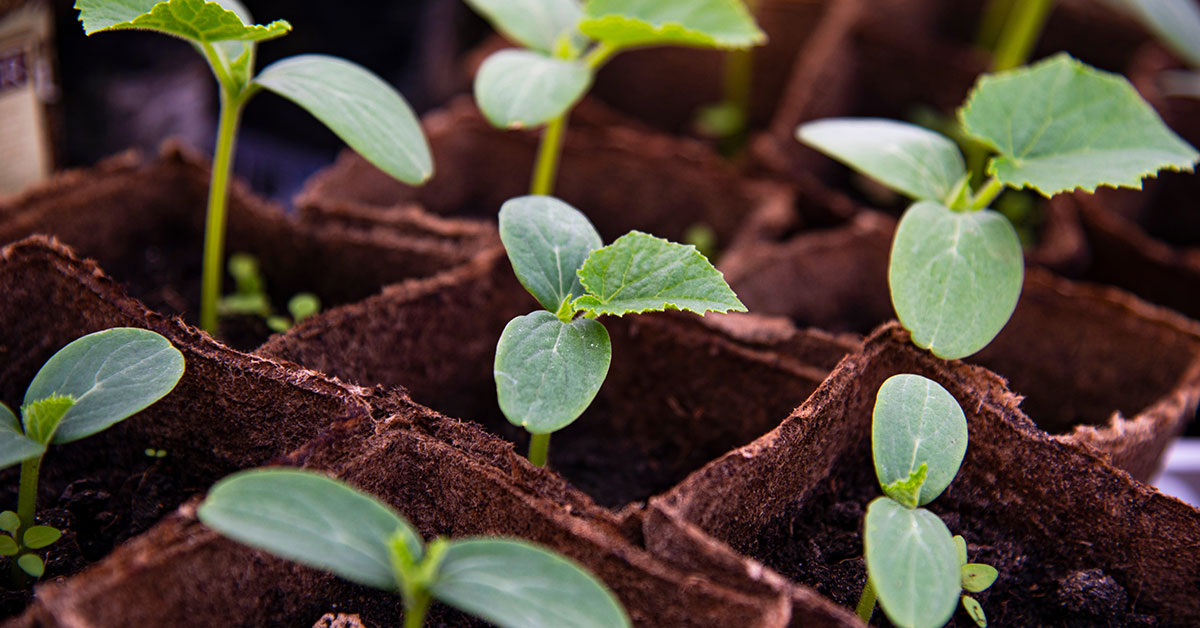

Growing cucumbers in Zone 11 can be very easy, as this region is known for its warm and tropical climate. Offering a wide range of opportunities for gardening success, but timing is everything.
We will discuss when to sow your cucumber seeds when to transplant seedlings, and other essential tips to ensure your cucumber plants thrive and produce an abundance of crisp and refreshing cucumbers.
Best varieties of Cucumbers for zone 11
In zone 11, which is characterized by warm temperatures and a long growing season, there are several cucumber varieties that perform well. Here are some recommended varieties:
- Armenian Cucumber (Cucumis melo var. flexuosus): Also known as “Snake” or “Serpent” cucumber, this variety is popular for its long, twisted fruits. It has a mild flavor and is excellent for fresh eating or pickling.
- Japanese Cucumber (Cucumis sativus): This variety is known for its thin skin, crisp texture, and sweet flavor. It produces long, slender cucumbers that are great for slicing and using in salads or sandwiches.
- Persian Cucumber (Cucumis sativus): Also called “Miniature” or “Baby” cucumbers, this variety produces small, seedless fruits. They have a thin skin, crunchy texture, and a mild taste. Persian cucumbers are perfect for snacking or adding to salads.
- English Cucumber (Cucumis sativus): This variety is popular for its long, slender shape, thin skin, and sweet taste. English cucumbers are often seedless, making them ideal for slicing and using in sandwiches or wraps.
- Lemon Cucumber (Cucumis sativus): This unique variety produces round, yellow fruits that resemble lemons. They have a mild, sweet flavor and a crisp texture. Lemon cucumbers are great for fresh eating, pickling, or adding to salads.
Remember to provide your cucumber plants with plenty of sun, well-drained soil, and consistent moisture for optimal growth and fruit production.
When to plant Cucumbers in zone 11
In gardening, hardiness zones are a helpful tool to determine which plants are most likely to thrive in specific areas based on their ability to withstand the average minimum temperature of that region. Zone 11 is characterized by its tropical climate, with mild winters and hot summers. This zone includes areas such as southern Florida, southernmost Texas, and parts of Hawaii.
When it comes to cucumbers, they are warm-season vegetables that require a frost-free growing season to thrive. In zone 11, the best time to plant cucumbers is during the spring, once the soil has warmed up and there is no risk of frost. Typically, the recommended time for planting cucumbers in zone 11 is between February and April.
Before planting cucumbers, it is important to prepare the soil properly. Cucumbers prefer well-drained soil that is rich in organic matter. You can improve the soil quality by incorporating compost or well-rotted manure before planting. Additionally, ensure that the soil has a pH level between 6.0 and 7.0, as this is the optimal range for cucumbers.
When planting cucumbers, it is advisable to sow the seeds directly into the ground, as they do not transplant well. Create small hills or mounds in the soil and plant the seeds at a depth of 1 inch. Space the seeds about 6 to 12 inches apart, depending on the variety. Once planted, ensure that the soil remains consistently moist but not waterlogged.
Cucumbers are a vining plant, so they require support for their tendrils to climb. You can provide trellises or stakes for them to grow vertically, which not only saves space but also helps keep the fruit off the ground, reducing the risk of pests and diseases.
Regular watering is crucial for cucumbers, especially during dry spells or periods of intense heat. Aim to provide about 1 inch of water per week, either through irrigation or rainfall. Mulching around the plants can help conserve moisture and suppress weed growth.
Cucumbers are generally ready for harvest within 50 to 70 days, depending on the variety. Regularly check the plants for ripe cucumbers, as they can grow quickly, especially in the warm climate of zone 11. Harvest cucumbers when they reach the desired size, typically about 6 to 8 inches long, and before they turn yellow or develop a bitter taste.
By following these guidelines, you can have a successful cucumber harvest in zone 11. Remember to adjust your planting schedule slightly based on your specific location within the zone, as microclimates can vary. Happy gardening!
When to harvest Cucumbers in zone 11
In zone 11, the optimal time to harvest cucumbers is typically when they are firm and fully grown, but still have a bright green color. This usually occurs around 50 to 70 days after planting, depending on the specific cucumber variety. It’s important to regularly check the cucumbers for size and color as they can quickly become overripe and lose their crispness if left on the vine for too long. Harvesting them regularly also encourages the plant to continue producing more cucumbers.
Other considerations for growing Cucumbers
When growing cucumbers in zone 11, there are a few other considerations to keep in mind:
- Sunlight: Cucumbers thrive in full sunlight, so ensure that your cucumber plants receive at least 6-8 hours of direct sunlight each day.
- Soil: Cucumbers prefer well-draining soil that is rich in organic matter. Amend the soil with compost or well-rotted manure before planting to improve fertility and drainage.
- Watering: Cucumbers require consistent moisture to grow properly. Water the plants deeply, providing them with 1-2 inches of water per week. However, be careful not to overwater, as this can lead to root rot. Mulching around the plants can help retain moisture in the soil.
- Temperature: Cucumbers are heat-loving plants, but excessive heat can cause stress and reduce fruit production. Provide shade or use shade cloth during hot summer days to protect the plants from intense sunlight. Additionally, consider planting cucumbers in a location that benefits from good air circulation to prevent heat buildup.
- Trellising: Cucumbers are climbing plants and benefit from being trellised. This helps to save space, increases air circulation, and prevents the fruits from sitting on the ground, reducing the risk of rotting or pest damage.
- Pest and Disease Control: Keep an eye out for common cucumber pests such as aphids, cucumber beetles, and spider mites. Regularly inspect the plants for any signs of disease, such as powdery mildew or bacterial wilt, and take appropriate measures to control them, such as using organic insecticides or disease-resistant cultivars.
- Pollination: Cucumbers require pollination to set fruit. Encourage pollinators, such as bees, to visit your garden by planting flowers nearby or using companion plants that attract them. Alternatively, you can hand-pollinate the flowers by transferring pollen from male to female flowers using a small brush or cotton swab.
By considering these factors, you can optimize the growing conditions for your cucumbers and increase the chances of a successful harvest in zone 11.