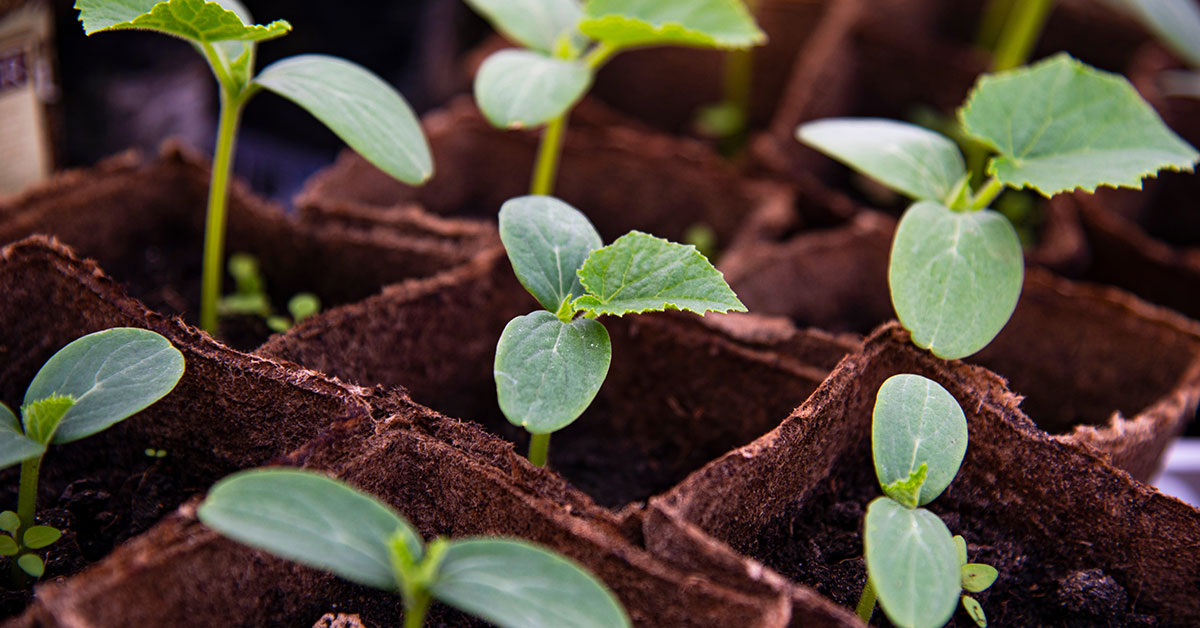

Knowing the importance of planting cucumbers in Utah at the right time to ensure optimal growth and yield is crucial information to have for your garden. We will discuss more about cucumbers and explore the best time to plant them in the beautiful state of Utah.
From understanding the local climate and soil conditions to considering the frost-free date. We will equip you with all the knowledge you need to successfully grow cucumbers and enjoy a bountiful harvest.
Best varieties of Cucumbers for Utah
In Utah, there are several cucumber varieties that perform well in the local climate. Here are some good options:
- Marketmore 76: This variety is a classic slicing cucumber that is known for its disease resistance and high yield. It has dark green, smooth skin and crisp flesh.
- Armenian cucumber: Also known as yard-long cucumber or snake melon, this variety produces long, slender fruits with light green, ribbed skin. It has a mild and sweet flavor, and its unique shape makes it great for slicing and adding to salads.
- Lemon cucumber: This variety produces small, round fruits that resemble lemons, hence the name. The skin is yellow and thin, and the flesh is crisp and mild-tasting. Lemon cucumbers are great for snacking, pickling, or adding to salads.
- National Pickling: As the name suggests, this cucumber variety is excellent for pickling. It produces medium-sized, blocky fruits with thin skin and crisp flesh. It is also suitable for fresh eating if harvested at a smaller size.
- Diva: The Diva cucumber is a popular choice for its disease resistance, high yield, and excellent flavor. It has thin, smooth skin with a bright green color and crisp, juicy flesh. It is a versatile variety that can be used for slicing, salads, or pickling.
Remember to consider your specific growing conditions. Such as sun exposure and soil quality, when selecting cucumber varieties for your garden. It’s also a good idea to consult with local nurseries or experienced gardeners in your area for additional recommendations.
When to plant Cucumbers in Utah
In gardening, understanding the hardiness zones of a particular region is crucial for successful plant growth. For the state of Utah, the hardiness zones range from 4a to 9a, according to the United States Department of Agriculture (USDA) Plant Hardiness Zone Map. This means that Utah experiences a wide range of temperatures and climate conditions. Which can greatly influence the success of various plants.
When it comes to cucumbers, the best time to plant them in Utah will depend on the specific hardiness zone you are in. Generally, cucumbers are warm-season vegetables that thrive in full sunlight and require temperatures between 70°F and 95°F (21°C to 35°C) for optimal growth. They also prefer well-drained soil with a pH level between 6.0 and 7.0.
In the lower hardiness zones of Utah (4a to 6b), where the average last frost date typically falls between mid-April to late May, it is advisable to start cucumber seeds indoors about 3 to 4 weeks before the last expected frost date. This will allow the seedlings to establish and be ready for transplanting once the danger of frost has passed. Alternatively, you can directly sow cucumber seeds in the garden after the last frost date, ensuring the soil temperature has reached around 60°F (15°C) or higher.
For the higher hardiness zones of Utah (7a to 9a), where the average last frost date generally ranges from early to mid-April, you can directly sow cucumber seeds in the garden around a week or two before the last expected frost date. The soil temperature in these zones is typically warmer, allowing for successful germination and growth.
It is important to note that cucumbers are susceptible to cold temperatures and frost. Therefore, if unexpected late frosts are predicted, it is advisable to protect the young plants with row covers or other means to prevent damage.
In conclusion, the best time to plant cucumbers in Utah will depend on the specific hardiness zone you are in. Starting seeds indoors or directly sowing them in the garden after the last frost date will ensure optimal growth and yield. Always keep an eye on the weather conditions and take necessary precautions to protect your cucumber plants from frost.
When to harvest Cucumbers in Utah
In Utah, the optimal time to harvest cucumbers is typically in late summer or early fall, around 60-70 days after planting. This timing may vary slightly depending on the specific variety of cucumber you are growing and the prevailing weather conditions. To determine if your cucumbers are ready to harvest, look for the following signs:
- Size: Cucumbers are typically ready to harvest when they reach a desirable size. This can vary depending on the variety, but generally, they should be around 6-8 inches long for slicing cucumbers and 3-4 inches for pickling cucumbers.
- Color: Cucumbers should have a vibrant green color. Avoid harvesting them if they are yellowish or have a dull appearance.
- Texture: The skin of a ripe cucumber should be firm and smooth, without any soft spots or wrinkles.
It’s also important to harvest cucumbers regularly to encourage continuous production. Leaving overripe cucumbers on the plant can signal to the plant that it has already completed its reproductive cycle, reducing the overall yield.
Other considerations for growing Cucumbers
When growing cucumbers in Utah, there are several additional considerations to keep in mind:
- Soil preparation: Cucumbers prefer well-draining soil with a pH level between 6 and 7. Prior to planting, amend the soil with organic matter such as compost to improve its fertility and drainage.
- Sunlight: Cucumbers thrive in full sun, so it’s important to choose a location in your garden that receives at least 6 to 8 hours of direct sunlight daily.
- Watering: Cucumbers require consistent moisture to grow properly. Utah’s hot and dry climate may necessitate more frequent watering. Aim to keep the soil evenly moist, but avoid overwatering to prevent root rot.
- Trellising: Growing cucumbers on trellises or supports can save space and improve airflow, reducing the risk of diseases. It also makes harvesting easier and keeps the fruits off the ground, reducing the likelihood of rot.
- Temperature considerations: Cucumbers are sensitive to cold temperatures, so it’s crucial to wait until the danger of frost has passed before planting them outdoors. Additionally, providing some shade during the hottest part of the day can help protect the plants from the scorching Utah summer sun.
- Pest management: Keep an eye out for common cucumber pests such as cucumber beetles, aphids, and spider mites. Regularly inspect your plants for signs of pest damage and utilize organic pest control methods, such as handpicking or using insecticidal soaps, if necessary.
- Disease prevention: Cucumbers are susceptible to several diseases, including powdery mildew and downy mildew. To minimize the risk, provide adequate airflow between plants, practice crop rotation, and avoid overhead watering, which can promote the spread of fungal diseases.
- Harvesting: Harvest cucumbers when they reach the desired size, typically around 6 to 8 inches long. Regularly picking the fruits encourages the plant to produce more cucumbers. Avoid letting them become overripe or yellow, as this can impact the flavor and texture.
By considering these factors and providing proper care, you can increase your chances of a successful cucumber harvest in Utah.