
Cucumbers are a versatile and refreshing addition to any garden in Texas. With the right timing, you can ensure a bountiful harvest. Texas offers a unique climate with its hot summers and mild winters, making it crucial to understand the best time to plant cucumbers to maximize their growth and yield.
We will talk about when to plant cucumbers in Texas, taking into consideration both the region and the variety of cucumber you wish to grow.
Best varieties of cucumbers for Texas gardens
There are several good varieties of cucumbers that grow well in Texas. Here are a few recommendations:
- ‘Straight Eight’: This is a classic cucumber variety that is known for its straight, cylindrical shape. It is a high-yielding variety and produces crisp, flavorful fruits. It is suitable for both slicing and pickling.
- ‘Marketmore 76’: This variety is popular for its disease resistance and excellent flavor. It produces dark green, slender cucumbers that are ideal for slicing. It is best suited for fresh eating.
- ‘Lemon’: If you’re looking for a unique cucumber variety, ‘Lemon’ cucumbers are a great choice. They are small, round, and yellow in color, resembling a lemon. They have a mild, sweet flavor and are perfect for salads and pickling.
- ‘Bush Pickle’: This compact cucumber variety is ideal for small gardens or containers. It produces short, firm cucumbers that are great for pickling. ‘Bush Pickle’ is also known for its disease resistance.
- ‘Patio Snacker’: Another great option for container gardening or small spaces, ‘Patio Snacker’ is a compact variety that produces crisp, mini cucumbers. It is an early maturing variety and perfect for snacking or pickling.
Remember to provide adequate sunlight, well-drained soil, and regular watering for your cucumber plants to thrive.
When to plant Cucumbers in Texas
In Texas, the state’s hardiness zones vary from zone 6 in the northern parts to zone 10 in the southern regions. These zones are determined by the average minimum winter temperatures experienced in each area. Knowing your specific hardiness zone can be helpful in determining the best time to plant various crops, including cucumbers.
For most parts of Texas, the ideal time to plant cucumbers is in the spring, after the last frost date has passed. In general, this is around mid to late March for the northern regions and can be as early as mid-February for the southern parts of the state. However, it’s always a good idea to check with your local extension office or consult a gardening calendar specific to your area to get the most accurate planting dates.
Cucumbers are warm-season vegetables that thrive in temperatures between 70°F and 95°F (21°C to 35°C). They require full sun exposure and well-draining soil. When planting cucumbers, ensure that the soil temperature has reached at least 60°F (15°C) for successful germination and growth.
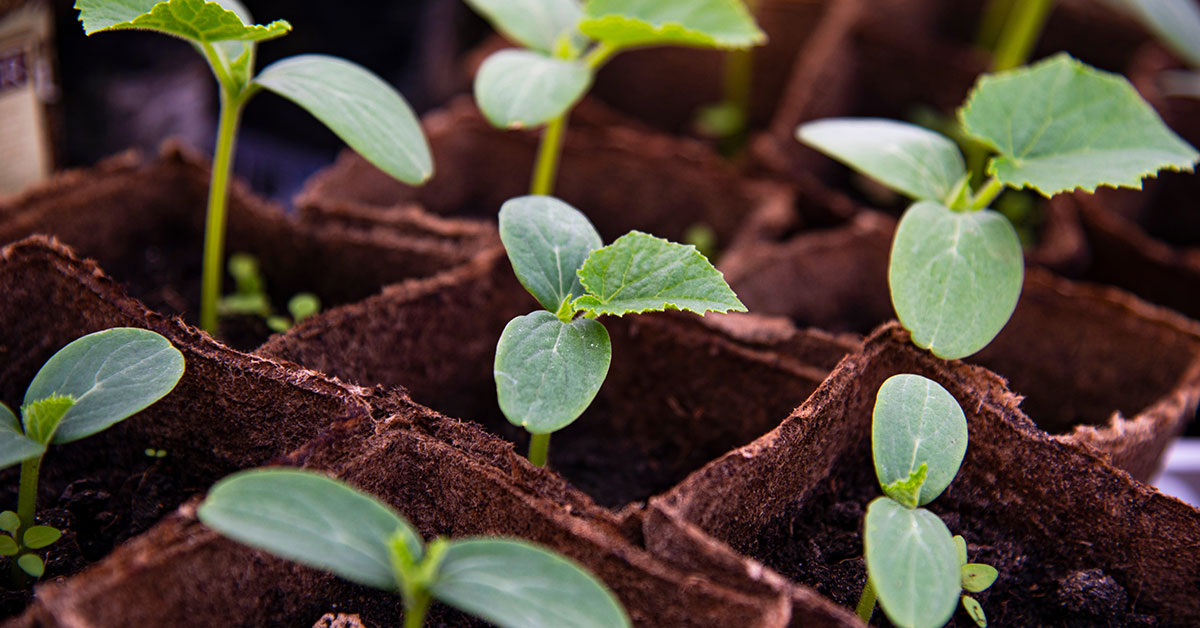
To get a head start on the growing season, you can start cucumber seeds indoors about 3-4 weeks before the expected transplanting date. This allows the seedlings to establish before being moved to the garden. Transplanting should occur when the soil has warmed up and all danger of frost has passed.
In Texas, where summers can get hot, it’s important to provide cucumbers with adequate moisture. Regular watering, especially during dry spells, is crucial for healthy plant growth and fruit production. Mulching around the plants can help conserve moisture and prevent weed growth.
It’s worth noting that some cucumber varieties, such as the “Lemon” or “Burpless” types, tend to handle heat better than others. Choosing heat-resistant varieties can increase your chances of a successful cucumber harvest in the Texas climate.
By following these guidelines and considering your specific hardiness zone, you can ensure that your cucumber plants have the best chance of thriving and producing a bountiful harvest in Texas. Happy gardening!
When to harvest cucumbers in Texas
The optimal time to harvest cucumbers in Texas is when they reach their mature size and have a firm texture. This usually occurs around 50-60 days after planting, depending on the variety. Cucumbers are typically ready for harvest when they are 6-8 inches long and have a dark green color. It’s important to check your plants regularly and harvest cucumbers as soon as they reach maturity to ensure the best flavor and quality.
Other considerations
When growing cucumbers in Texas, there are several additional considerations to keep in mind:
- Heat tolerance: Cucumbers thrive in warm weather, but Texas summers can be extremely hot. Choose heat-tolerant cucumber varieties that can withstand high temperatures and direct sunlight. Consider growing them in partial shade or using shade cloth to protect them from scorching heat.
- Water requirements: Cucumbers are heavy drinkers and require consistent moisture to grow well. In Texas, where drought conditions are common, it’s important to provide sufficient water to keep the soil consistently moist. Consider using drip irrigation or soaker hoses to deliver water directly to the roots and avoid wetting the leaves, which can lead to fungal diseases.
- Soil preparation: Prepare the soil by adding organic matter such as compost or well-rotted manure to improve drainage and fertility. Cucumbers prefer slightly acidic soil with a pH range of 6.0-6.8. Conduct a soil test to ensure proper pH levels and nutrient balance.
- Pest control: Texas is home to various pests that can damage cucumber plants, including cucumber beetles, aphids, and spider mites. Monitor your plants regularly for signs of infestation and take appropriate measures, such as using organic insecticides or introducing beneficial insects like ladybugs or lacewings.
- Disease management: Cucumber plants are susceptible to fungal diseases like powdery mildew and downy mildew, which can be prevalent in the humid climate of Texas. To prevent these diseases, provide good air circulation by spacing plants adequately and avoid overhead watering. Applying fungicides labeled for cucumbers can also help prevent or control fungal infections.
- Trellising or support: Cucumbers can benefit from trellising or support structures to keep the vines off the ground, which improves air circulation and reduces the risk of disease. Consider using stakes, cages, or a trellis system to support the growing vines and make harvesting easier.
- Timing: In Texas, it’s important to time your cucumber planting carefully. Start planting cucumbers after the danger of frost has passed and the soil has warmed up, typically in late spring. Consider planting in succession to ensure a continuous harvest throughout the growing season.
By considering these factors, you can increase your chances of successfully growing cucumbers in Texas.