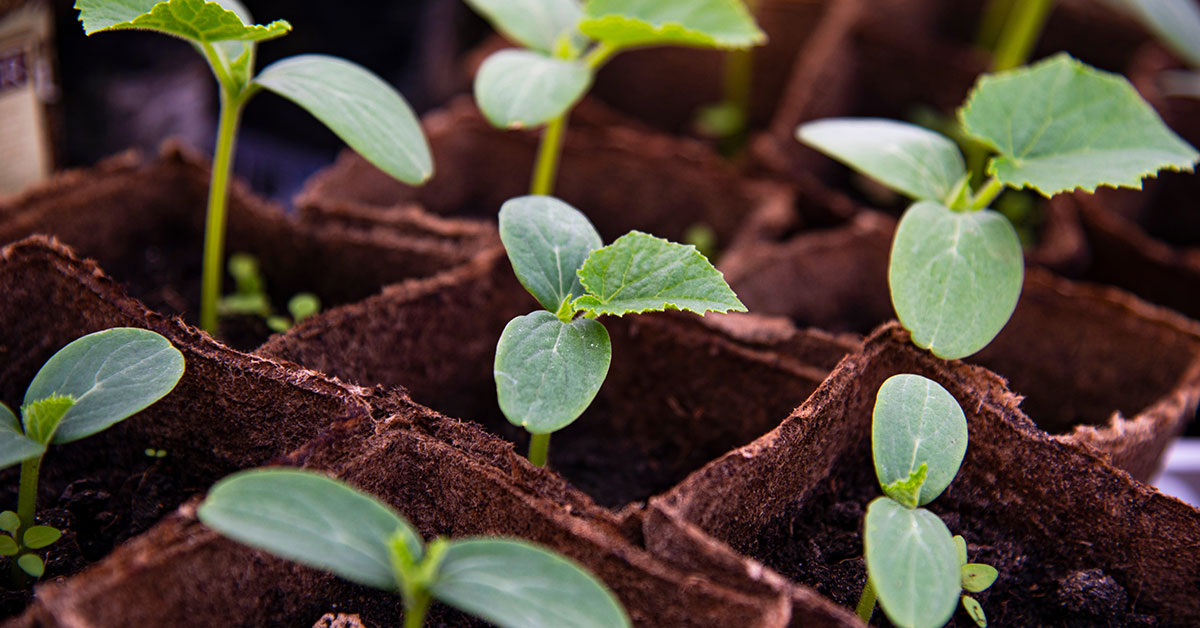

The best time to plant cucumbers in the beautiful state of Tennessee is a crucial piece of information to know. Cucumbers are warm-season vegetables that thrive in the sunny and humid climate of Tennessee.
We will look into the ideal planting time, discuss the different cucumber varieties suited for Tennessee, and provide essential tips for successful cultivation.
Best varieties of cucumbers for Tennessee gardens
In Tennessee, some good cucumber varieties to consider are:
- Marketmore 76: This variety is known for its excellent disease resistance and high yields. It produces dark green cucumbers with a crisp texture and mild flavor.
- Straight Eight: A popular heirloom variety, Straight Eight is known for its straight, uniform fruits. It has a refreshing flavor and is great for slicing.
- Armenian: Also known as Yard-Long cucumbers, Armenian cucumbers are thin-skinned and can grow up to 2 feet long. They have a mild, slightly sweet flavor and are perfect for slicing or pickling.
- Lemon: Lemon cucumbers are small, round, and yellow in color, resembling lemons. They have a crisp texture and a slightly sweet, tangy flavor. They are great for salads or pickling.
- Diva: Diva cucumbers are known for their disease resistance and high productivity. They have a thin, tender skin and a sweet, crisp flesh. They are seedless and do not require pollination.
- Bush Champion: If you have limited garden space, Bush Champion is a compact variety that is well-suited for container gardening. It produces good yields of small, dark green cucumbers with a crisp texture.
When choosing cucumber varieties, consider your gardening preferences, such as taste, texture, and disease resistance, as well as the intended use of the cucumbers (e.g., slicing, pickling, or salad).
When to plant Cucumbers in Tennessee
In Tennessee, the state’s hardiness zones generally range from 5a to 8b. These zones are determined by the average minimum winter temperatures experienced in different regions. The northern parts of the state, such as the Appalachian Mountains, fall in the lower zones (5a to 6b), while the southern parts, including Nashville and Memphis, are in the higher zones (7a to 8b).
When it comes to planting cucumbers in Tennessee, it’s important to consider both the average last frost date in spring and the first expected frost date in fall. Cucumbers are warm-season vegetables that thrive in temperatures between 70°F and 95°F (21°C to 35°C). They require a long growing season, so it’s essential to plant them after the danger of frost has passed.
In most areas of Tennessee, the average last frost date occurs between late March and mid-April. Therefore, it is recommended to wait until after this date to plant cucumbers outdoors. However, if you want to get a head start, you can start cucumber seeds indoors 3-4 weeks before the last frost date and transplant them outside once the soil and air temperatures have warmed up.
To ensure successful cucumber growth, it’s crucial to provide them with full sun exposure and well-drained soil. Cucumbers prefer fertile soil rich in organic matter, so amending the soil with compost or aged manure before planting is beneficial.
Cucumber plants are sensitive to cold temperatures, so keep an eye on the weather forecast. If there is an unexpected late frost or cold snap after you have planted your cucumbers, covering them with row covers or using other protective measures can help prevent damage.
In terms of harvesting, cucumbers generally take around 50-70 days from planting to maturity, depending on the variety. Regularly pick the cucumbers when they reach the desired size, as leaving them on the vine for too long can lead to bitterness and reduced productivity.
Remember to provide adequate water throughout the growing season, as cucumbers have high water requirements. Consistent and even moisture is especially crucial during fruit development to prevent bitter-tasting cucumbers and reduce the risk of diseases.
By following these guidelines and considering the specific hardiness zone for your location in Tennessee, you can successfully grow cucumbers and enjoy a bountiful harvest.
When to harvest cucumbers in Tennessee
In Tennessee, the optimal time to harvest cucumbers is typically when they reach a mature size and have a firm texture. This generally occurs around 50-60 days after planting, but can vary depending on the variety of cucumber you are growing. It’s important to regularly check your cucumber plants for ripe fruits.
Look for cucumbers that are dark green in color, firm to the touch, and have a smooth skin. Avoid harvesting cucumbers that are yellow or have a dull appearance, as they may be overripe or past their prime.
It’s also important to harvest cucumbers regularly to encourage continuous production. Leaving overripe cucumbers on the vine can signal to the plant that it has completed its reproductive cycle, leading to a decline in further fruiting.
Overall, monitoring your cucumber plants closely and harvesting them at the right time will ensure you enjoy the best flavor and quality from your crop.
Other considerations
When growing cucumbers in Tennessee, there are a few additional considerations to keep in mind:
- Soil: Cucumbers prefer well-drained soil that is rich in organic matter. Adding compost or aged manure to the soil before planting will help improve its fertility and drainage.
- Sunlight: Cucumbers need full sun to thrive. Choose a location in your garden that receives at least 6-8 hours of direct sunlight per day.
- Temperature: Cucumbers are warm-season vegetables and prefer temperatures between 70-85°F (21-29°C). Plant them after all danger of frost has passed, typically in late spring or early summer.
- Watering: Cucumbers have shallow roots and require consistent moisture to grow well. Water deeply once or twice a week, providing about 1-1.5 inches of water per week. Avoid overhead watering, as it can promote fungal diseases. Instead, use a drip irrigation system or water at the base of the plants.
- Trellising: Cucumbers are vining plants that can take up a lot of space in the garden. Consider using trellises or stakes to provide support and keep the fruits off the ground. This method also helps improve air circulation, reducing the risk of diseases.
- Pest and disease management: Common cucumber pests in Tennessee include cucumber beetles, aphids, and spider mites. Regularly inspect your plants for signs of infestation and use organic pest control methods if necessary. Fungal diseases like powdery mildew and downy mildew can also affect cucumbers. Providing adequate spacing between plants, maintaining good air circulation, and watering at the base of the plants can help prevent these diseases.
- Pollination: Cucumbers require pollination to set fruit. Bees and other pollinators are essential for this process. Encourage pollinators to visit your garden by planting flowers nearby or using companion plants that attract beneficial insects.
- Harvesting: Harvest cucumbers when they reach their desired size, typically 6-8 inches long. Regularly picking cucumbers encourages more fruit production. Do not let them overripe on the vine, as this can affect the plant’s productivity.
By considering these factors, you can increase your chances of a successful cucumber harvest in Tennessee.