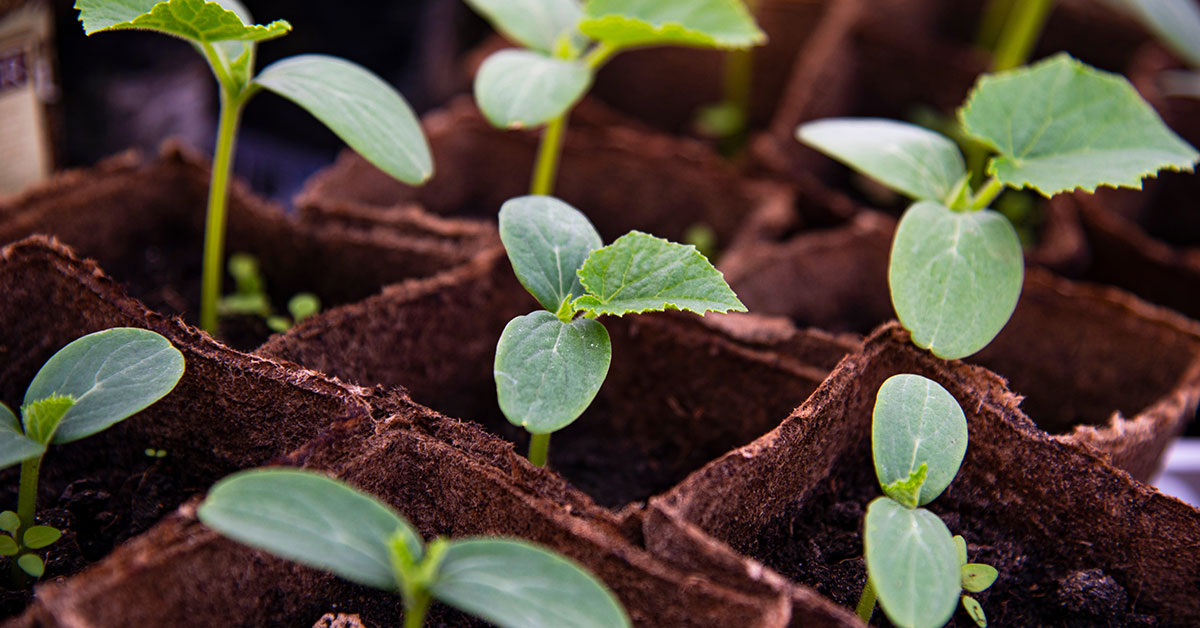

Knowing the optimal time to plant cucumbers in the beautiful state of South Carolina is important for the success of your garden. With its warm and humid climate, South Carolina offers an ideal environment for growing cucumbers. However, timing is crucial when it comes to planting this versatile vegetable.
By understanding the best time to sow cucumber seeds or transplant seedlings, you can maximize your chances of success and enjoy a plentiful harvest all summer long.
Best varieties of Cucumbers for South Carolina
In South Carolina, there are several cucumber varieties that perform well due to the region’s warm climate. Here are some recommended varieties:
- Straight Eight: This is a classic cucumber variety known for its straight shape and excellent flavor. It is a heavy producer and adapts well to South Carolina’s growing conditions.
- Marketmore 76: These cucumbers are popular for their dark green color, crisp texture, and sweet taste. They are disease-resistant and can tolerate hot and humid weather.
- Armenian: Also known as “Snake” or “Yard-Long” cucumbers, Armenian cucumbers are unique in appearance, with long, slender fruits. They have a mild flavor and are excellent for fresh eating or pickling.
- Homemade Pickles: As the name suggests, this cucumber variety is ideal for making homemade pickles. They have a firm texture and are disease-resistant, making them a reliable choice for South Carolina gardeners.
- Lemon: Lemon cucumbers are small, round, and yellow in color, resembling a lemon. They have a mild, sweet taste and are perfect for fresh eating in salads or as a snack.
Remember to consider your specific growing conditions, such as sun exposure and soil type, when selecting cucumber varieties. Additionally, providing adequate support, such as trellises or cages, can help improve yields and keep the fruits off the ground, reducing the risk of diseases.
When to plant Cucumbers in South Carolina
In South Carolina, the state’s hardiness zones range from Zone 7b in the upstate region to Zone 9a along the coast. These hardiness zones indicate the average minimum winter temperatures experienced in different areas of the state. Understanding your specific hardiness zone is crucial in determining the appropriate planting times for various crops, including cucumbers.
Cucumbers are warm-season vegetables that thrive in temperatures between 70°F and 95°F (21°C to 35°C). They prefer a long growing season with plenty of sunlight and warm soil. In South Carolina, the best time to plant cucumbers generally falls between late spring and early summer.
If you are located in Zone 7b, which experiences colder temperatures, it is recommended to start cucumber seeds indoors 4-6 weeks before the last frost date. Transplant the seedlings outdoors once the danger of frost has passed and soil temperatures have warmed up to at least 60°F (15°C). This typically occurs in late April or early May.
For those residing in Zones 8a and 8b, where winters are milder, you can sow cucumber seeds directly into the garden around mid-April. Make sure the soil has warmed up to approximately 60°F (15°C) before planting. If you prefer starting seeds indoors, you can begin the process 2-3 weeks before the expected transplanting date.
In the coastal areas of South Carolina, specifically Zone 9a, cucumber seeds can be directly sown into the garden as early as mid-March. The warmer climate allows for an extended growing season. However, it’s important to monitor the soil temperature, as cucumbers will struggle to germinate if the soil is too cool.
When planting cucumbers, choose a location that receives full sun for at least 6-8 hours a day. Ensure the soil is well-drained, fertile, and enriched with organic matter. Cucumbers also benefit from the use of trellises or supports to promote air circulation and prevent disease.
Remember to provide adequate water during the growing season, as cucumbers have high water requirements. Regularly check the moisture levels in the soil and water deeply when necessary. Mulching around the plants helps retain moisture and reduce weed growth.
By following these guidelines and considering your specific hardiness zone, you can determine the optimal time to plant cucumbers in South Carolina and enjoy a bountiful harvest of fresh, homegrown cucumbers throughout the summer.
When to harvest Cucumbers in South Carolina
In South Carolina, the optimal time to harvest cucumbers is typically from late spring to early summer. Cucumbers are warm-season crops, so they require a consistently warm temperature to grow and mature properly.
You can start harvesting cucumbers when they reach the desired size and are firm to the touch. Most cucumber varieties are best picked when they are about 6 to 8 inches long, although this can vary depending on the specific variety you are growing. It’s important to regularly check your cucumber plants for ripe fruits as cucumbers can quickly become overripe and develop a bitter taste.
Additionally, it’s important to harvest cucumbers regularly to encourage the plant to produce more fruits. Leaving overripe cucumbers on the vine can signal to the plant that it has completed its reproductive cycle, which may lead to a decrease in fruit production.
Overall, keep a close eye on your cucumber plants and harvest them when they have reached the appropriate size and are still firm.
Other considerations for growing Cucumbers
When growing cucumbers in South Carolina, there are several other considerations to keep in mind:
- Soil preparation: Cucumbers prefer well-draining soil with a pH level between 6.0 and 7.0. Before planting, amend the soil with organic matter such as compost to improve fertility and drainage.
- Sunlight: Cucumbers thrive in full sunlight, so ensure they receive at least 6-8 hours of direct sunlight per day.
- Watering: Cucumbers require consistent moisture, especially during hot summers. Water deeply and regularly, aiming to keep the soil consistently moist but not waterlogged. Mulching around the plants can help retain soil moisture.
- Trellising: Cucumbers are vining plants that benefit from trellising or support systems. This helps to maximize space, improves air circulation, and reduces the risk of disease.
- Pest control: Common pests that may affect cucumbers in South Carolina include cucumber beetles, aphids, and spider mites. Regularly inspect plants for signs of pests or damage, and consider using organic pest control methods such as handpicking, insecticidal soaps, or neem oil.
- Disease prevention: Fungal diseases like powdery mildew and downy mildew can be a challenge in humid climates. To prevent diseases, provide good air circulation around the plants, avoid overhead watering, and space plants properly to allow for airflow.
- Pollination: Cucumbers require pollination for fruit set. Bees and other pollinators play a crucial role, so ensure there are flowering plants nearby to attract them. If pollinator activity is low, you can hand-pollinate the flowers using a small brush or cotton swab.
- Timing: Start cucumbers indoors or sow seeds directly in the garden after the last frost date. In South Carolina, this is typically around mid-April to early May. Cucumbers prefer warm soil temperatures between 70-95°F (21-35°C) for optimal germination and growth.
By considering these factors, you can increase your chances of successfully growing cucumbers in South Carolina. Happy gardening!