
Knowing the best time to plant cucumbers in Oregon is great knowledge to have for your garden during the growing season. Cucumbers are a popular and versatile vegetable, perfect for salads, pickling, or simply enjoying fresh off the vine.
However, like any plant, cucumbers have specific requirements when it comes to planting and growing successfully. By understanding the optimal planting time, you can ensure a bountiful cucumber harvest that will make your taste buds sing.
Best varieties of Cucumbers for Oregon
In Oregon, there are several cucumber varieties that perform well due to the mild climate. Here are a few recommendations:
- Marketmore 76: This is a classic slicing cucumber variety that is disease-resistant and produces long, dark green fruits. It has a crisp texture and is excellent for fresh eating or slicing into salads.
- Armenian cucumber: Also known as Yard-Long cucumber, this variety is actually a type of melon. It produces long, slender, and slightly ribbed fruits with a mild flavor. They are great for salads or pickling.
- Lemon cucumber: These small, round cucumbers have a bright yellow color and a mild, lemony flavor. They are perfect for snacking or adding to salads. Lemon cucumbers are usually quite prolific and easy to grow.
- Diva: This variety is known for its disease resistance, high yields, and excellent flavor. Diva cucumbers are seedless, which means they have smaller and fewer seeds, making them great for slicing or pickling.
- Japanese cucumber: These cucumbers are thin, long, and slender with a delicate skin. They have a crisp texture and sweet flavor. Japanese cucumbers are perfect for slicing into salads or making fresh Asian-style pickles.
Remember to consider your specific growing conditions, such as sunlight, soil type, and available space, when selecting cucumber varieties. Additionally, it’s always a good idea to consult with local nurseries or agricultural extension offices for more variety recommendations based on your specific location in Oregon.
When to plant Cucumbers in Oregon
Oregon is divided into different hardiness zones based on the average minimum winter temperatures experienced in different areas. These zones help gardeners determine which plants are best suited for their specific region. The state of Oregon typically falls within USDA hardiness zones 4 to 9, with zone 4 being the coldest and zone 9 being the warmest.
When it comes to planting cucumbers in Oregon, it’s important to consider both the hardiness zone and the local climate. Cucumbers are warm-season vegetables that thrive in temperatures between 70 to 95°F (21 to 35°C). They require a minimum soil temperature of 60°F (15°C) for successful germination and growth.
In Oregon, the best time to plant cucumbers depends on the specific zone:
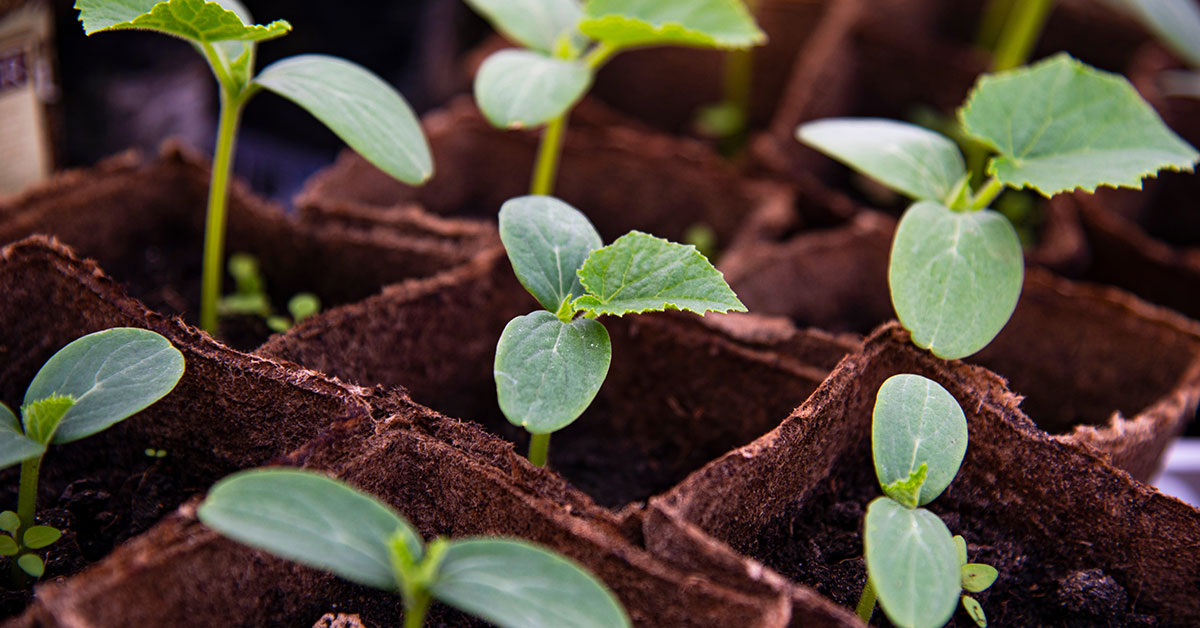
- Zones 4 and 5: These colder regions of Oregon have shorter growing seasons. It is recommended to start cucumber seeds indoors around late April to early May and transplant them outdoors after the last frost has passed, typically in late May or early June. Providing some protection, such as using row covers or plastic tunnels, can help extend the growing season.
- Zones 6 and 7: These intermediate zones have longer growing seasons compared to zones 4 and 5. Cucumber seeds can be sown directly in the garden from mid-May to early June, or transplants can be used. Ensure the soil temperature is consistently above 60°F (15°C) for optimal germination.
- Zones 8 and 9: These warmer regions of Oregon have relatively longer growing seasons. Cucumbers can be directly sown in the ground from mid-April to early May. However, it’s essential to avoid planting cucumbers too early when there is still a risk of frost.
Regardless of the zone, it’s beneficial to prepare the soil by adding compost or aged manure to improve its fertility and drainage. Cucumbers prefer well-drained soil rich in organic matter. They also require full sun exposure to thrive.
Regular watering and mulching around the plants can help retain soil moisture and prevent weed growth. Additionally, providing trellises or supports for vining cucumber varieties can save space and improve airflow, reducing the risk of disease.
By considering your specific hardiness zone and following these general guidelines, you can ensure a successful cucumber harvest in your Oregon garden.
When to harvest Cucumbers in Oregon
In Oregon, the optimal time to harvest cucumbers is typically from mid-July to early October. The exact timing can vary depending on the specific cucumber variety you are growing and the weather conditions in your area.
Generally, cucumbers are ready to be harvested when they reach a mature size, usually around 6 to 8 inches in length for slicing cucumbers and 3 to 4 inches for pickling cucumbers. They should have a firm texture, vibrant color, and smooth skin. Avoid waiting too long to harvest, as cucumbers left on the vine for too long can become overripe, tough, and bitter.
Regularly check your cucumber plants for ripe fruits, as they can mature quickly, especially during warm weather. Harvest cucumbers by gently twisting or cutting them from the vine. It’s important to handle them carefully to avoid damaging the plant or other developing cucumbers.
Remember to harvest cucumbers regularly to encourage continuous production and prevent the fruits from becoming overripe.
Other considerations for growing Cucumbers
When growing cucumbers in Oregon, there are a few additional considerations to keep in mind:
- Climate: Oregon has a varied climate, so it’s important to select cucumber varieties that are suitable for your specific region. Look for disease-resistant varieties that can tolerate cooler temperatures and shorter growing seasons.
- Soil: Cucumbers prefer well-draining soil rich in organic matter. Before planting, amend your soil with compost or well-rotted manure to improve its fertility and drainage.
- Sunlight: Cucumbers thrive in full sun, so choose a location in your garden that receives at least 6-8 hours of direct sunlight each day.
- Watering: Cucumbers require consistent moisture, especially during hot summer months. Mulch around the plants to help retain moisture and prevent weed growth. Additionally, consider using drip irrigation or soaker hoses to provide a steady supply of water directly to the root zone.
- Trellising: Growing cucumbers on trellises or supports can help save space and improve air circulation around the plants, reducing the risk of disease. It also makes harvesting easier and keeps the fruit off the ground, preventing rot.
- Pest and disease management: Cucumbers can be susceptible to various pests and diseases, including cucumber beetles, aphids, powdery mildew, and bacterial wilt. Monitor your plants regularly and take appropriate action if you notice any signs of infestation or disease. Consider using organic pest control methods or companion planting techniques to deter pests naturally.
- Pollination: Cucumbers require pollination to set fruit. If you notice a lack of bees or other pollinators in your garden, hand-pollinate the flowers by gently transferring pollen from the male flowers to the female flowers using a small brush or cotton swab.
- Harvesting: Harvest cucumbers when they reach the desired size and before they turn yellow. Regularly picking the fruit encourages continued production.
By considering these factors and providing the appropriate care, you can successfully grow cucumbers in Oregon.