
As a gardener, knowing the best time to plant cucumbers in Ohio is going to help the success of your crops tremendously. Ohio’s climate offers a unique window of opportunity for cucumber cultivation, with its warm summers and moderate winters.
By understanding the ideal planting dates and taking advantage of Ohio’s growing seasons, you can maximize your cucumber harvest and enjoy the fruits of your labor all summer long.
What are good varieties for Cucumbers in Ohio
In Ohio, there are several cucumber varieties that thrive well in the region. Here are a few popular ones:
- ‘Marketmore 76’: This is a standard slicing cucumber that produces dark green, straight fruits. It is resistant to common cucumber diseases and has a great flavor.
- ‘Straight Eight’: This variety is known for its straight, uniform fruits that are excellent for slicing. It has a classic cucumber flavor and is a reliable producer.
- ‘Burpless’ or ‘Sweet Success’: These varieties are known for their sweet, non-bitter taste and crisp texture. They are often used for fresh eating and pickling.
- ‘Lemon Cucumber’: This unique variety produces small, round fruits that resemble lemons. They have a mild, sweet flavor and are great for salads and pickling.
- ‘Pickling’ or ‘Boston Pickling’: As the name suggests, these varieties are specifically bred for pickling. They produce small, crunchy cucumbers that are perfect for homemade pickles.
Remember to select disease-resistant varieties and provide adequate support for vining types to ensure successful cucumber cultivation in Ohio.
When to plant Cucumbers in Ohio
Ohio is located in USDA hardiness zones 5 and 6. Hardiness zones are determined based on the average minimum winter temperatures of an area, and they provide valuable information for gardeners about which plants can survive and thrive in their region.
In Ohio, the best time to plant cucumbers is typically in the late spring or early summer when the soil temperature has warmed up to around 60°F (15°C). Cucumbers are warm-season vegetables that require a minimum soil temperature of 60°F for proper germination and growth.
To determine the ideal planting time, you can use a soil thermometer to measure the temperature of the soil in your garden. If the soil temperature is still too cool, you can wait a few more weeks until it reaches the optimum range for cucumber planting.
In general, the last frost date in Ohio falls between mid-April and the beginning of May, depending on the specific location within the state. It is crucial to ensure that all risk of frost has passed before planting cucumbers, as they are very sensitive to cold temperatures.
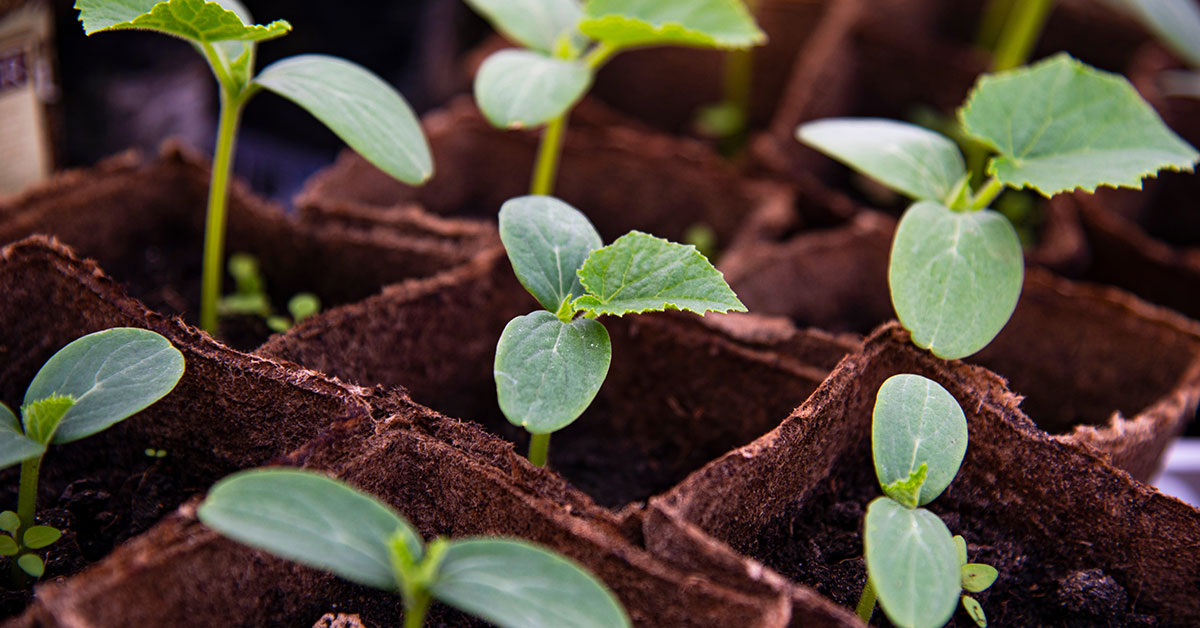
If you plan to start cucumbers indoors from seeds, it is recommended to begin the indoor seeding process about 3-4 weeks before the last expected frost date. This will give the seedlings enough time to develop and become strong enough for transplanting outdoors once the weather conditions are favorable.
When planting cucumbers in Ohio, it is important to choose a sunny location with well-draining soil. Cucumbers thrive in full sun, receiving at least 6-8 hours of direct sunlight per day. They also prefer loose, fertile soil with a pH level between 6.0 and 7.0.
To ensure successful cucumber growth, it is beneficial to prepare the soil by incorporating organic matter, such as compost or aged manure, to improve its fertility and drainage. Additionally, providing support for cucumber vines, such as trellises or stakes, can help maximize space and increase air circulation, reducing the risk of diseases.
By following the recommended planting time and providing proper care, you can enjoy a bountiful cucumber harvest in Ohio.
When to harvest Cucumbers in Ohio
The optimal time to harvest cucumbers in Ohio is typically when they are fully mature and have reached their desired size. This is usually around 50-60 days after planting, depending on the specific cucumber variety you are growing.
To determine if a cucumber is ready for harvest, look for the following indicators:
- Size: Cucumbers are typically harvested when they reach 6-8 inches in length for slicing varieties, or 3-4 inches for pickling varieties. However, this can vary depending on personal preference and the specific variety you are growing.
- Color: Cucumbers should have a vibrant green color. Avoid harvesting if they start turning yellow, as this indicates over-ripening.
- Texture: A cucumber’s skin should be firm and smooth, without any wrinkles or blemishes.
- Taste: Give the cucumber a taste test. It should have a crisp and refreshing flavor. If it tastes bitter or bland, it may not be fully matured.
It’s important to regularly check your cucumber plants for ripe fruits, as cucumbers can grow quickly and become overripe if left on the vine for too long. Harvesting regularly also encourages continued production throughout the growing season.
Other considerations for growing Cucumbers
When growing cucumbers in Ohio, there are a few additional considerations to keep in mind:
- Climate and Growing Season: Ohio has a temperate climate with relatively short summers. It’s important to select cucumber varieties that can mature within the available growing season. Opt for early maturing or cold-tolerant varieties to ensure a successful harvest.
- Soil Preparation: Cucumbers prefer well-draining soil rich in organic matter. Prior to planting, amend the soil with compost or well-rotted manure to improve fertility and moisture retention. Conduct a soil test to check the pH level and adjust it to the ideal range of 6.0 to 7.0.
- Sunlight and Site Selection: Cucumbers require full sun exposure for at least 6-8 hours a day. Choose a site in your garden that receives ample sunlight and is sheltered from strong winds. If possible, provide some shade during the hottest part of the day to protect the plants from scorching.
- Trellising and Support: Cucumbers are climbing plants and benefit from trellising or support structures. Training cucumber vines upward not only saves space but also improves air circulation, reduces disease risk, and keeps the fruits clean and straight. Install trellises or use sturdy stakes and twine to support the plants.
- Watering and Mulching: Consistent moisture is crucial for cucumber plants. Water deeply, keeping the soil evenly moist but not waterlogged. Mulching around the plants with organic materials, such as straw or shredded leaves, helps retain soil moisture, suppress weeds, and regulate soil temperature.
- Pest and Disease Management: Cucumbers are susceptible to various pests and diseases, such as cucumber beetles, aphids, powdery mildew, and downy mildew. Implement preventive measures like crop rotation, regular scouting, and proper hygiene. Consider using organic pest control methods or applying approved insecticides and fungicides if necessary.
- Harvesting: Cucumbers should be harvested when they reach the desired size and before they become overripe. Regularly check the plants and pick the cucumbers promptly to encourage continuous production. Harvesting frequently also prevents fruits from becoming seedy or bitter.
By considering these factors, you can increase your chances of successfully growing cucumbers in Ohio’s climate.