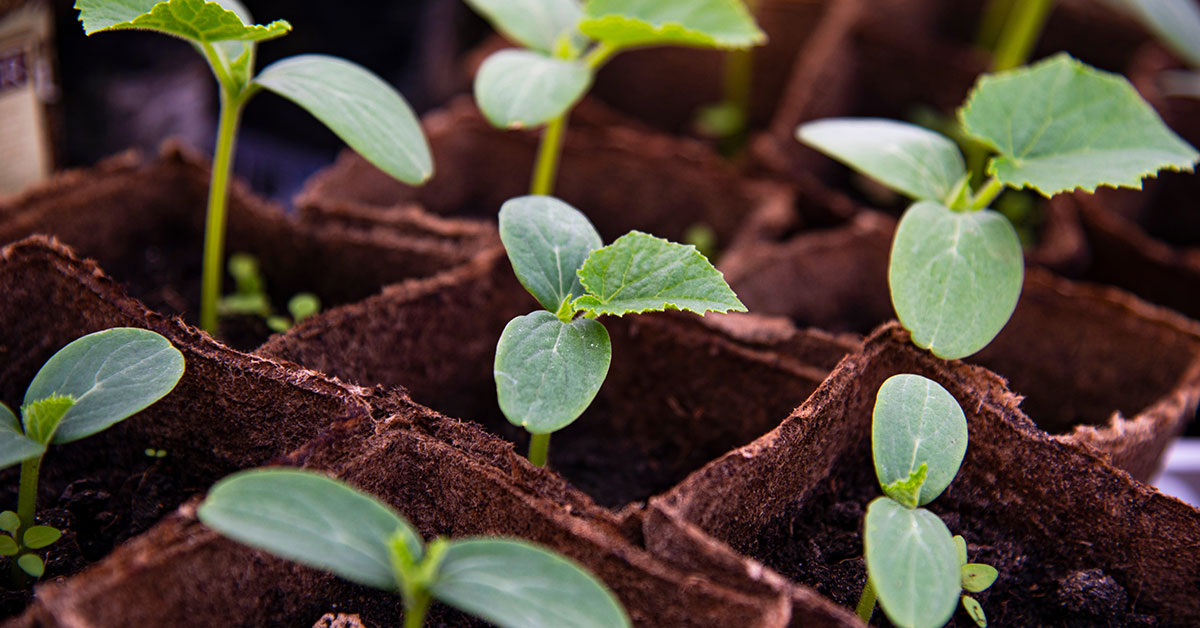

Growing cucumbers in New Jersey can be easy due to the climate’s wide range of growing conditions. Making it essential to choose the right time to plant cucumbers for optimal success.
Whether you’re a seasoned gardener or a beginner, understanding the best time to sow cucumber seeds or transplant seedlings can significantly impact your harvest.
In this comprehensive article, we will delve into the factors that influence cucumber growth, explore the ideal planting windows, and offer valuable tips to ensure a bountiful cucumber crop in your New Jersey garden.
What are good varieties for Cucumbers in New Jersey
In New Jersey, there are several cucumber varieties that perform well in the region’s climate. Here are a few recommended varieties:
- Marketmore 76: This is a popular slicing cucumber variety that is known for its disease resistance and high yield. It produces dark green, straight fruits that are about 8-9 inches long.
- Straight Eight: Another excellent slicing cucumber, Straight Eight is known for its straight, uniform fruits. It has a mild flavor and is productive throughout the growing season.
- Lemon Cucumber: This unique cucumber variety produces round, yellow fruits that resemble lemons. It has a sweet, mild flavor and is great for salads or pickling.
- Armenian Cucumber: Also known as Yard-Long cucumber, this variety produces long, slender fruits that can grow up to 2 feet in length. It has a crisp texture and a mild, refreshing taste.
- Bush Champion: If you have limited space, Bush Champion is a compact cucumber variety that is ideal for container gardening or small gardens. It produces small, dark green fruits that are perfect for snacking.
Remember to consider your specific growing conditions and preferences when choosing cucumber varieties. It is always a good idea to consult with local nurseries or experienced gardeners in your area for more personalized advice.
When to plant Cucumbers in New Jersey
New Jersey, like many other regions, follows the United States Department of Agriculture (USDA) hardiness zone map. This map divides the country into different zones based on average minimum winter temperatures, helping gardeners determine which plants are likely to thrive in their area.
New Jersey encompasses a range of hardiness zones, from zone 6b in the northern parts of the state to zone 7b in the southern regions. This means that the average minimum winter temperatures in these zones can vary from -5°F to 10°F (-21°C to -12°C) in zone 6b, and from 5°F to 10°F (-15°C to -12°C) in zone 7b.
When it comes to planting cucumbers in New Jersey, it’s essential to consider both the hardiness zones and the local climate conditions. Cucumbers are warm-season crops that thrive in temperatures between 70°F and 95°F (21°C to 35°C). They require a frost-free growing season and prefer warm soil.
In New Jersey, the best time to plant cucumbers is typically after the last expected frost date, which is usually around mid-April to early May in southern regions (zone 7b) and mid-May to early June in northern areas (zone 6b). However, it is always recommended to check your local weather forecast and adapt accordingly.
To get a head start on the growing season, you can start cucumber seeds indoors about 3-4 weeks before the last expected frost date. This allows you to transplant the seedlings outdoors once the weather conditions are favorable.
When planting cucumbers, choose a location that receives full sun for at least 6-8 hours a day. Ensure the soil is well-draining and enriched with organic matter. Cucumbers prefer a slightly acidic to neutral soil pH, ideally around 6.0 to 7.0.
Cucumber plants should be spaced about 12-24 inches (30-60 cm) apart, depending on the variety. They benefit from trellising or providing a support structure for the vines to climb, as it improves air circulation and helps prevent disease.
Regular watering is crucial for cucumbers, as they have shallow roots and require consistent moisture. Aim for about 1 inch (2.5 cm) of water per week, either through rainfall or irrigation.
By following these guidelines and considering your specific hardiness zone and local climate conditions, you’ll increase your chances of successfully growing cucumbers in New Jersey. Happy gardening!
When to harvest Cucumbers in New Jersey
The optimal time to harvest cucumbers in New Jersey is typically in the summer months, specifically from late June to early September. Cucumbers are warm-season vegetables and require warm temperatures to grow and ripen properly. It’s important to monitor your cucumber plants closely and harvest them when they reach the desired size and color. Cucumbers are usually ready for harvest when they are firm, crisp, and have a bright green color. If left on the vine for too long, they can become overripe and lose their flavor and texture. Harvesting cucumbers regularly also encourages the plant to produce more fruits.
Other considerations for growing Cucumbers
When growing cucumbers in New Jersey, there are several other considerations to keep in mind:
- Climate: Cucumbers thrive in warm climates with temperatures between 70-85°F (21-29°C). New Jersey has a moderate climate, but some areas may experience cooler temperatures, especially during spring and fall. Consider using row covers or plastic tunnels to protect the plants during cooler weather.
- Sunlight: Cucumbers require full sun exposure for at least 6-8 hours a day. Choose a location in your garden that receives ample sunlight to ensure optimal growth and fruiting.
- Soil: Cucumbers prefer well-draining soil with a pH level between 6.0 and 7.0. Prior to planting, amend the soil with organic matter, such as compost, to improve its fertility and drainage. It’s also beneficial to perform a soil test to determine if any specific nutrients need to be added.
- Watering: Cucumbers need consistent moisture to thrive. Ensure that the plants receive at least 1-2 inches of water per week, either through rainfall or supplemental watering. Avoid overwatering, as it can lead to root rot and other fungal diseases. Consider using drip irrigation or soaker hoses to deliver water directly to the plant roots.
- Trellising or support: Cucumbers are vine plants that benefit from trellising or support structures. By training the vines to climb vertically, you can save space, improve air circulation, and prevent the fruits from touching the ground, reducing the risk of disease and pests.
- Pest and disease management: Cucumbers are susceptible to various pests and diseases. Such as cucumber beetles, aphids, powdery mildew, and downy mildew. Monitor your plants regularly and take appropriate measures, such as using organic insecticides or practicing crop rotation, to prevent and manage these issues.
- Pollination: Cucumbers require pollination to set fruit. Bees and other pollinators are essential for this process. If pollinators are scarce in your area, consider hand-pollinating the flowers using a small brush or cotton swab to transfer pollen from the male to the female flowers.
- Harvesting: Cucumbers should be harvested when they reach the desired size and are still firm. Regularly check your plants for mature fruits and harvest them promptly. Leaving overripe or yellow cucumbers on the vine can disrupt further fruit production.
By considering these factors, you can increase your chances of successfully growing cucumbers in New Jersey and enjoy a bountiful harvest.