
The importance of timing when it comes to planting cucumbers in Nevada is crucial information to have for living in this state. The success of your cucumber harvest greatly depends on the favorable growing conditions and the optimal planting time.
We will talk about the best time to plant cucumbers in Nevada, taking into consideration the climate, soil conditions, and other factors that will maximize your chances of a bountiful cucumber crop.
Best varieties of Cucumbers for Nevada
In Nevada, the climate can be quite hot and dry, so it’s important to choose cucumber varieties that can withstand these conditions. Here are a few cucumber varieties that tend to do well in Nevada:
- Armenian Cucumber: This variety is also known as “Snake Melon” or “Yard Long Cucumber.” It has a thin, light green skin and a mild, refreshing flavor. Armenian cucumbers are known for their heat tolerance and can thrive in hot Nevada summers.
- Marketmore 76: This is a classic slicing cucumber variety that is known for its disease resistance and high productivity. It produces dark green, smooth-skinned cucumbers that are perfect for salads and sandwiches. Marketmore 76 is a reliable choice for Nevada gardeners.
- Lemon Cucumber: This unique cucumber variety has a round, yellow fruit that looks like a small lemon. It has a mild, sweet flavor and a thin, tender skin. Lemon cucumbers are heat-tolerant and can be a fun addition to your garden in Nevada.
- Diva: If you’re looking for a seedless cucumber variety, Diva is a great option. It produces crisp, sweet cucumbers with a thin skin. Diva cucumbers are known for their resistance to diseases and their ability to grow well in hot climates.
- Homemade Pickles: If you’re interested in pickling cucumbers, the Homemade Pickles variety is a good choice. It produces small, crunchy cucumbers that are ideal for pickling. This variety is heat-tolerant and can handle Nevada’s hot summers.
It’s important to remember that while these varieties have shown success in Nevada, individual growing conditions may vary. It’s always a good idea to consult with local nurseries or gardening experts to get specific advice for your area.
When to plant Cucumbers in Nevada
Nevada is located in USDA hardiness zones 4 through 9, which means it experiences a wide range of climates and temperatures. The northern parts of the state fall into zone 4, characterized by cold winters and short growing seasons, while the southern regions fall into zones 8 and 9, with milder winters and longer growing seasons.
When it comes to planting cucumbers in Nevada, it is important to consider the specific region you are in. In the southern parts of the state, such as Las Vegas and surrounding areas, the best time to plant cucumbers is in early spring, around mid-March to early April. This allows the cucumbers to establish themselves before the intense summer heat arrives.
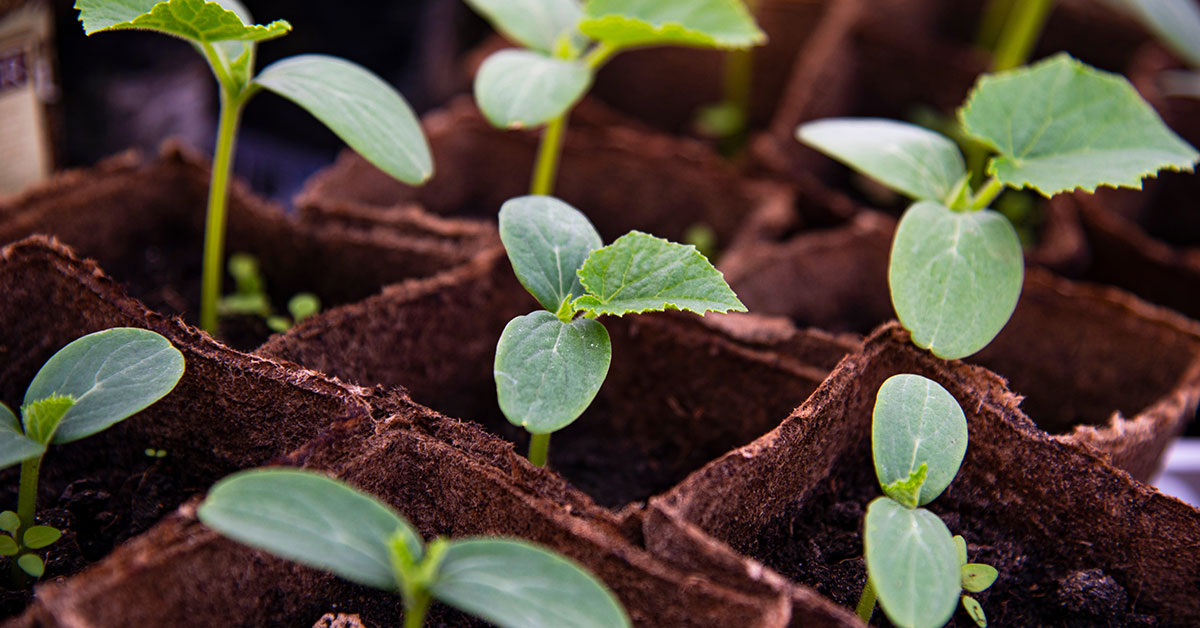
In the northern regions, including Reno and surrounding areas, the growing season is shorter due to colder temperatures. It is recommended to start cucumbers indoors or in a greenhouse around mid-April to early May. Once all danger of frost has passed, usually by late May or early June, you can transplant the seedlings outside.
Cucumbers thrive in warm weather, with temperatures between 70°F and 90°F (21°C to 32°C) being ideal. They also require a minimum soil temperature of at least 60°F (15°C) for successful germination. Make sure to provide them with full sun exposure and well-drained soil that is rich in organic matter.
It is worth noting that cucumbers are a warm-season crop and do not tolerate frost. Therefore, it is essential to protect them from any late-season frost events by covering them with frost blankets or bringing them indoors if necessary.
Regular watering and providing a trellis or support for climbing varieties will help ensure healthy growth and good fruit production. Harvesting cucumbers should typically begin about 50 to 70 days after planting, depending on the variety.
Remember to adjust your planting schedule based on your specific location within Nevada and the microclimate of your garden. Local gardening resources, such as cooperative extension offices or experienced gardeners in your area, can provide valuable insights and recommendations tailored to your specific region.
When to harvest Cucumbers in Nevada
The optimal time to harvest cucumbers in Nevada is typically from late spring to early summer. Cucumbers are warm-season crops and require a consistent temperature above 60°F (15°C) for proper growth and fruit development. In Nevada, this usually occurs around May to June when the weather starts to warm up.
To determine if your cucumbers are ready for harvest, there are a few signs to look for:
- Size: Cucumbers are typically ready to be harvested when they reach a desirable size. This varies depending on the cucumber variety, but generally, they should be around 6-8 inches long for slicing varieties and 3-4 inches for pickling varieties.
- Color: The color of the cucumber can also indicate its readiness for harvest. Most cucumber varieties will have a dark green color when they are fully ripe. Avoid harvesting them if they are yellowish or have a pale color.
- Texture: Check the texture of the cucumbers. They should feel firm and have a slightly bumpy skin. Avoid harvesting cucumbers that are soft or have wrinkled skin, as they may be overripe or past their prime.
It’s important to regularly inspect your cucumber plants and harvest the mature fruits promptly, as leaving them on the vine for too long can result in a decline in flavor and texture.
Other considerations for growing Cucumbers
When growing cucumbers in Nevada, there are a few additional considerations to keep in mind:
- Watering: The arid climate of Nevada means that cucumbers require regular and consistent watering. Aim to keep the soil evenly moist, but not waterlogged. Mulching around the plants can help retain moisture in the soil.
- Sun exposure: Cucumbers thrive in full sun, so choose a location in your garden that receives at least 6-8 hours of direct sunlight per day. Ensure that they are sheltered from strong winds, which can dehydrate the plants quickly.
- Soil quality: Cucumbers prefer well-draining soil with a pH level between 6.0 and 7.0. Amend the soil with organic matter, such as compost, to improve its fertility and moisture-retaining capabilities.
- Trellising: Growing cucumbers on trellises or supports can help save space and improve airflow around the plants. It also reduces the risk of foliar diseases and makes harvesting easier.
- Pest control: Keep an eye out for common cucumber pests such as aphids, cucumber beetles, and spider mites. Regularly inspect your plants and take appropriate measures to control these pests, such as using organic insecticidal soaps or introducing beneficial insects.
- Heat protection: Nevada’s high temperatures can stress cucumber plants. Consider providing shade during the hottest parts of the day, using shade cloth or planting taller crops nearby for some natural shade. Regularly check for signs of heat stress, such as wilting or leaf curling, and provide additional watering if needed.
- Timing: Cucumbers are warm-season crops, so make sure to plant them after the last frost date in spring. In Nevada, this is typically around mid-April to early May. Additionally, you can extend the growing season by starting seeds indoors a few weeks before the recommended planting date.
By considering these factors, you can help ensure a successful cucumber harvest in Nevada’s unique growing conditions.