
As a gardener in Nebraska, knowing the best time to plant cucumbers is crucial for a successful harvest. Cucumbers, a warm-season vegetable, require specific conditions to thrive and produce an abundant crop.
The timing of planting is influenced by the state’s climate, which experiences distinct seasons with hot summers and cold winters.
We will guide you through the best time to plant cucumbers in Nebraska, considering temperature fluctuations, frost dates, and other factors that affect the growth and development of this refreshing and versatile vegetable.
Best varieties of Cucumbers for Nebraska
In Nebraska, there are several cucumber varieties that grow well in the region. Here are a few good options to consider:
- Marketmore 76: This is a classic slicing cucumber that is known for its excellent flavor and crisp texture. It is resistant to many common cucumber diseases and can tolerate hot weather.
- Straight Eight: As the name suggests, this cucumber variety produces straight, uniform fruits that are perfect for slicing. It has a sweet flavor and is a reliable producer.
- Diva: Diva cucumbers are known for their disease resistance and high productivity. They have a thin, tender skin and a sweet, crisp flesh that is great for eating fresh or pickling.
- Armenian: Also known as Yard-Long cucumbers, Armenian cucumbers are unique in shape and have a mild, refreshing flavor. They can grow quite long and are best harvested when they are about 12-18 inches in length.
- Lemon Cucumber: If you’re looking for something a bit different, lemon cucumbers are a great choice. They are small, round, and yellow, with a mild, tangy flavor. They are great for snacking, pickling, or adding to salads.
Remember to consider factors such as disease resistance, fruit size, and personal preference when selecting cucumber varieties for your garden in Nebraska.
When to plant Cucumbers in Nebraska
Nebraska, like many states in the United States, follows the hardiness zone system developed by the United States Department of Agriculture (USDA). Hardiness zones define the climatic conditions of a specific region and help gardeners determine which plants are most likely to thrive in their area.
In Nebraska, the hardiness zones generally range from Zone 4 to Zone 7. This means that the state experiences cold winters and varying lengths of growing seasons, depending on the region. Zone 4 covers the northernmost parts of Nebraska, where temperatures can drop as low as -30°F (-34°C) during winter. Zone 7, on the other hand, covers the southernmost parts of the state, where temperatures rarely dip below 0°F (-18°C).
Considering the hardiness zones, the best time to plant cucumbers in Nebraska would typically be in late spring or early summer, after the danger of frost has passed. The specific timing may vary slightly depending on your exact location within the state and the particular weather conditions of the year.
To determine the exact planting dates, it is advisable to consult the Nebraska Extension’s gardening recommendations or the local agricultural extension office. They can provide more precise and region-specific information on the best time to plant cucumbers in your area.
In general, cucumbers require warm soil and air temperatures to germinate and grow successfully. The ideal soil temperature for cucumber seeds is around 70°F (21°C), while air temperatures above 60°F (15°C) are preferable for healthy plant development. Planting too early, when temperatures are still cool, can stunt the growth of cucumbers or even cause them to die.
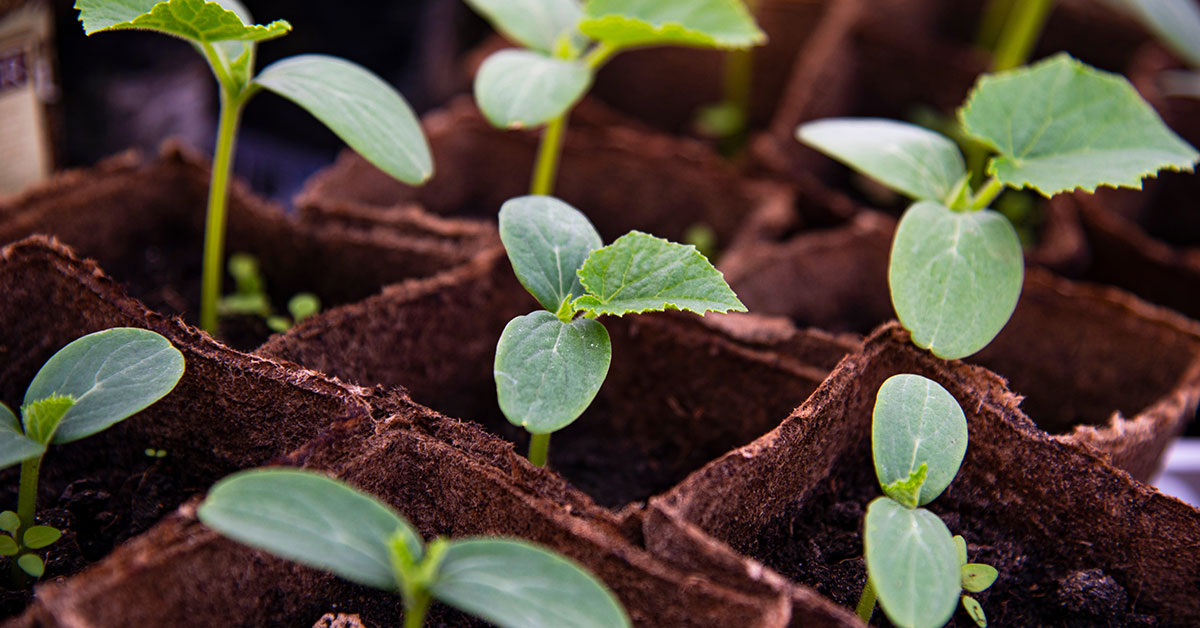
In Nebraska, you can start cucumber seeds indoors a few weeks before the expected transplanting date. This allows them to develop into sturdy seedlings ready for outdoor planting. Transplanting should occur when the soil has warmed up sufficiently, usually around mid to late May in most parts of the state.
When planting cucumbers, choose a sunny location with well-draining soil. Cucumbers thrive in fertile, loamy soil that receives at least 6-8 hours of direct sunlight per day. Proper spacing between plants is crucial to ensure good air circulation and prevent diseases. Leave about 36 inches (90 cm) between each plant and consider using trellises or stakes for vertical growth if space is limited.
Regular watering, mulching, and fertilizing are essential for healthy cucumber plants. Adequate moisture levels should be maintained to prevent the soil from drying out. Mulching helps conserve moisture and control weed growth. Additionally, providing a balanced fertilizer during planting and throughout the growing season can promote vigorous growth and better fruit production.
By following these guidelines and considering your specific hardiness zone, you can successfully grow cucumbers in Nebraska and enjoy a bountiful harvest during the summer months.
When to harvest Cucumbers in Nebraska
The optimal time to harvest cucumbers in Nebraska is typically when they are fully mature and ready to be picked. This is usually when they reach a length of 6-8 inches and have firm, dark green skin. It’s important to regularly check your cucumber plants for mature fruits as they can quickly become overripe and develop a bitter taste if left on the vine for too long. Harvesting cucumbers in the early morning when temperatures are cooler is ideal as it helps retain their crispness and flavor.
Other considerations
When growing cucumbers in Nebraska, there are several important considerations to keep in mind:
- Climate: Nebraska has a continental climate, which means hot summers and cold winters. Cucumbers thrive in warm temperatures, so it is crucial to start them indoors or wait until the soil has warmed up sufficiently before planting. Additionally, cucumbers require a long growing season, so choose varieties that can mature within the available time frame.
- Soil: Cucumbers prefer well-draining, fertile soil with a pH range of 6.0 to 7.0. Before planting, amend the soil with organic matter like compost to improve its fertility and drainage. Avoid heavy clay soils that tend to retain water and can lead to root rot.
- Sunlight: Cucumbers are sun-loving plants and require at least 6-8 hours of direct sunlight per day. Ensure that you choose a planting location that receives ample sunlight throughout the day.
- Watering: Adequate and consistent watering is crucial for the success of cucumber plants. They require regular moisture to prevent bitterness and the development of bitter cucumbers. Provide them with 1-2 inches of water per week, either through rainfall or irrigation. Avoid overhead watering to reduce the risk of diseases.
- Trellising: Cucumbers are vining plants that benefit from trellising. By using a trellis or support system, you can keep the plants upright, improve air circulation, and save space in your garden. Trellising also helps prevent the cucumbers from sitting on the ground, reducing the risk of rot and pest damage.
- Pest and disease management: Cucumbers can be susceptible to various pests and diseases, including cucumber beetles, aphids, powdery mildew, and downy mildew. Monitor your plants regularly and take appropriate measures to control pests and diseases, such as using organic insecticides, practicing crop rotation, and removing any infected or damaged plants promptly.
- Pollination: Cucumbers require pollination to set fruit. While some varieties are self-pollinating, others require insects like bees for successful pollination. Encourage pollinators by planting flowers that attract them nearby or consider hand-pollinating if necessary.
- Harvesting: Cucumbers are usually ready for harvest within 50-70 days after planting, depending on the variety. Harvest them when they reach the desired size, typically before they become overripe and yellow. Regularly harvesting cucumbers also encourages the plant to continue producing more fruits.
By considering these factors and providing proper care, you can enjoy a successful cucumber harvest in Nebraska.