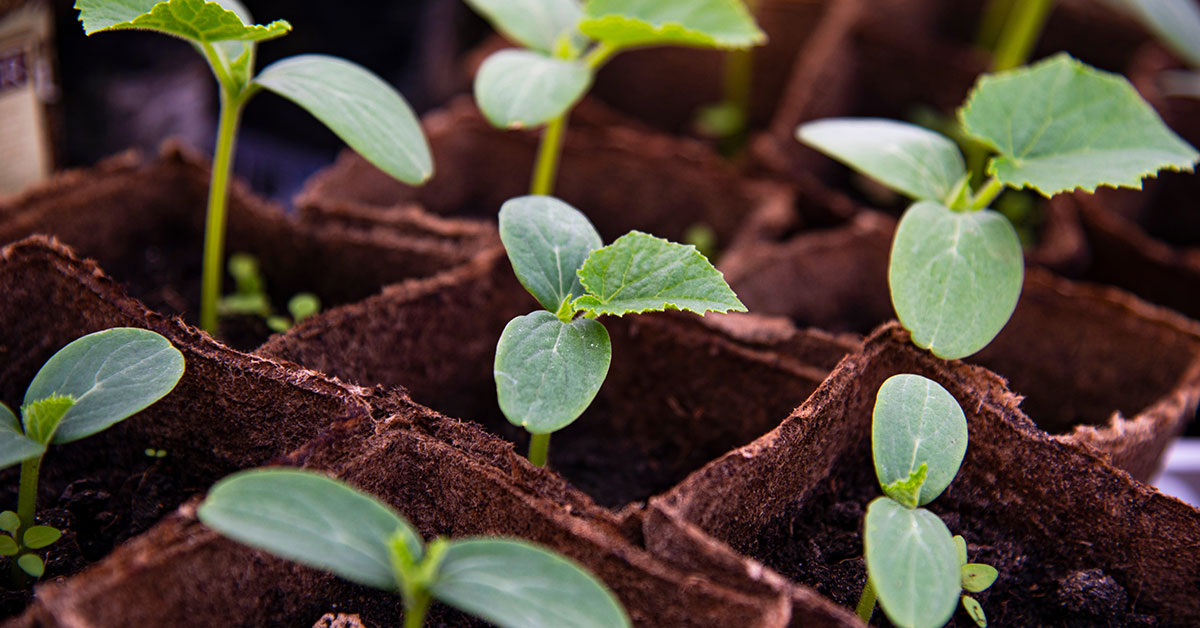

Growing cucumbers in Montana requires understanding the best time to plant this beloved vegetable is crucial. Factors such as the region’s short growing season, unpredictable weather patterns, and temperature variations greatly influence the success of cucumber cultivation.
In this article, we will discuss the optimal time to plant cucumbers in Montana, taking into account the state’s climatic conditions and providing valuable tips to maximize your cucumber yield.
Best Varieties of Cucumbers for Montana
In Montana, where the growing season can be shorter and the climate can be challenging, it is essential to choose cucumber varieties that are well-suited to these conditions. Here are a few cucumber varieties that tend to perform well in Montana:
- ‘Marketmore 76’: This is a popular cucumber variety that thrives in cooler climates. It produces dark green, straight fruits that are about 8-9 inches long. ‘Marketmore 76’ is known for its disease resistance and reliability.
- ‘Lemon’: This is an heirloom variety that produces small, round, yellow cucumbers that resemble lemons. ‘Lemon’ cucumbers are crisp and have a mild flavor. They are often used in salads or pickled.
- ‘Bush Champion’: If you have limited space, ‘Bush Champion’ is an excellent choice. This compact variety is a bush-type cucumber that doesn’t require trellising. It produces high yields of 6-8 inch long cucumbers.
- ‘County Fair’: This cucumber variety is known for its early maturity, making it suitable for shorter growing seasons. ‘County Fair’ produces dark green, slightly tapered cucumbers that are about 6-8 inches long.
- ‘Northern Pickling’: As the name suggests, this cucumber variety is well-suited for pickling. It has a compact vine and produces small, blocky cucumbers that are perfect for preserving.
It’s important to note that while these varieties tend to perform well in Montana, factors such as soil quality, watering, and overall care can also impact their success. It’s always a good idea to consult with local gardeners or extension services for personalized advice based on your specific location in Montana.
When to plant Cucumbers in Montana
Montana is divided into several hardiness zones, which are determined based on the average minimum winter temperatures. These zones are helpful in determining which plants are most likely to thrive in a particular area. In Montana, the hardiness zones range from Zone 3a in the coldest regions to Zone 6b in the mildest parts of the state.
When it comes to planting cucumbers in Montana, it is important to consider the specific zone you are in. Generally, cucumbers are warm-season vegetables that require consistent warmth to grow properly. Therefore, it is recommended to plant cucumbers after the last frost date in your area.
In the southern parts of Montana, which fall under Zone 5b to 6b, the last frost typically occurs around mid to late May. This means that planting cucumbers can be done around the end of May or early June. However, it is always a good idea to monitor the weather and soil conditions before planting to ensure the ground has warmed up adequately.
In the colder regions of northern Montana, falling under Zone 3a to 4b, the last frost date may be delayed until mid to late June. Therefore, it is best to wait until early to mid-June to plant cucumbers in these areas.
When selecting cucumber varieties, it is advisable to choose those with shorter maturity times, as Montana’s growing season is relatively short. Look for varieties that mature in around 50 to 60 days to ensure a successful harvest before the first frost in the fall.
Before planting cucumbers, make sure to prepare the soil by incorporating organic matter, such as compost, to improve its fertility and drainage. Cucumbers prefer well-draining soil that is rich in organic matter.
Lastly, provide your cucumber plants with adequate sunlight, ideally at least 6 to 8 hours of direct sunlight per day. Regular watering and mulching around the plants will help retain moisture and suppress weed growth.
By following these guidelines and considering your specific hardiness zone, you can successfully grow cucumbers in Montana and enjoy a bountiful harvest.
When to harvest cucumbers in Montana
In Montana, the optimal time to harvest cucumbers is typically in the summer months, specifically from mid-July to early September. Cucumbers are warm-season vegetables that require temperatures between 70-90°F (21-32°C) for optimal growth and fruiting.
To determine if your cucumbers are ready for harvest, there are a few signs to look for. Firstly, check the size of the cucumbers. Most cucumber varieties are ready to be harvested when they reach about 6-8 inches (15-20 cm) in length. However, pickling cucumbers are usually harvested when they are smaller, around 2-4 inches (5-10 cm) long.
Secondly, examine the color of the cucumbers. They should have a vibrant, uniform green color. Avoid harvesting cucumbers that are yellowish or have a dull appearance, as they may be overripe or past their prime.
Lastly, gently press the cucumber with your thumb. If it feels firm and crisp, it is likely ready to be harvested. If it feels soft or squishy, it is overripe and should be discarded.
Remember to regularly check your cucumber plants for mature fruits throughout the harvesting season, as cucumbers can grow quickly. Harvesting them promptly when they are at their peak ensures the best flavor and texture.
Other considerations
When growing cucumbers in Montana, there are a few additional considerations to keep in mind:
- Climate: Montana has a short growing season and can experience cool temperatures, especially in the northern regions. It is important to choose cucumber varieties that are suitable for shorter growing seasons and can tolerate cooler temperatures.
- Soil preparation: Before planting cucumbers, ensure that the soil is well-drained and fertile. Consider adding organic matter such as compost to improve soil quality and drainage.
- Sunlight: Cucumbers require full sun for optimal growth and fruit production. Choose a location in your garden that receives at least 6-8 hours of direct sunlight per day.
- Watering: Cucumbers have high water requirements, especially during hot and dry periods. It is crucial to provide consistent moisture to the plants, either through regular watering or by using irrigation systems like drip irrigation.
- Wind protection: Montana can experience strong winds, which can damage or break cucumber vines. Consider providing some form of wind protection, such as planting cucumbers near a fence or using trellises or stakes to support the plants.
- Pest management: Cucumbers are susceptible to various pests, including cucumber beetles, aphids, and spider mites. Monitor your plants regularly for any signs of pest damage and take appropriate measures, such as using organic insecticides or companion planting with pest-repellent plants.
- Disease prevention: Cucumbers are prone to diseases like powdery mildew and bacterial wilt. To minimize the risk, practice crop rotation, avoid overhead watering, and provide good air circulation by spacing the plants adequately.
- Harvesting: Cucumbers should be harvested when they reach the desired size and before they become overripe. Regularly check your plants for ripe cucumbers to ensure continuous production throughout the growing season.
By considering these factors, you can increase your chances of successfully growing cucumbers in Montana’s unique climate.