
Growing cucumbers in Missouri requires specific conditions to thrive and produce a bountiful harvest. In this article, we will explore the best time to plant cucumbers in Missouri, taking into consideration the region’s climate, soil conditions, and frost dates.
By following these guidelines, you can ensure a successful cucumber-growing season and enjoy the crisp, refreshing taste of homegrown cucumbers all summer long.
Best varieties of Cucumbers for Missouri gardens
There are several cucumber varieties that perform well in Missouri’s climate. Here are some top choices:
- Marketmore 76: This variety is highly recommended for Missouri due to its resistance to common cucumber diseases and its ability to produce high yields. It has dark green, crisp fruits that are perfect for slicing.
- Straight Eight: Another popular choice, Straight Eight cucumbers are known for their straight shape and excellent flavor. They are disease-resistant and have a high tolerance to heat, making them suitable for Missouri’s hot summers.
- Bush Champion: If you have limited space, Bush Champion is an excellent option. This compact cucumber plant is ideal for container gardening or small gardens. It produces a good yield of tasty, medium-sized cucumbers.
- Diva: Diva cucumbers have a mild, sweet flavor and are seedless, making them perfect for fresh eating or pickling. They are also disease-resistant and perform well in Missouri’s climate.
- Homemade Pickles: As the name suggests, this cucumber variety is excellent for making pickles. It produces small, crisp cucumbers that are perfect for pickling, whether you prefer sweet or dill pickles.
Remember to provide your cucumber plants with well-draining soil, full sun exposure, and regular watering to ensure healthy growth and abundant harvests.
When to plant Cucumbers in Missouri
In Missouri, the state’s hardiness zones range from zone 4b in the north to zone 7a in the south. These zones are determined based on the average minimum winter temperatures experienced in various regions. Understanding your hardiness zone is crucial for successful gardening, as it helps you select plants that can withstand the local climate.
When it comes to cucumbers, they thrive in warm weather and require frost-free conditions to grow. Therefore, it is essential to wait until the danger of frost has passed before planting cucumbers in Missouri. Generally, the best time to plant cucumbers in Missouri is in late spring or early summer, when the soil has warmed up and temperatures consistently remain above 60°F (15°C) both day and night.
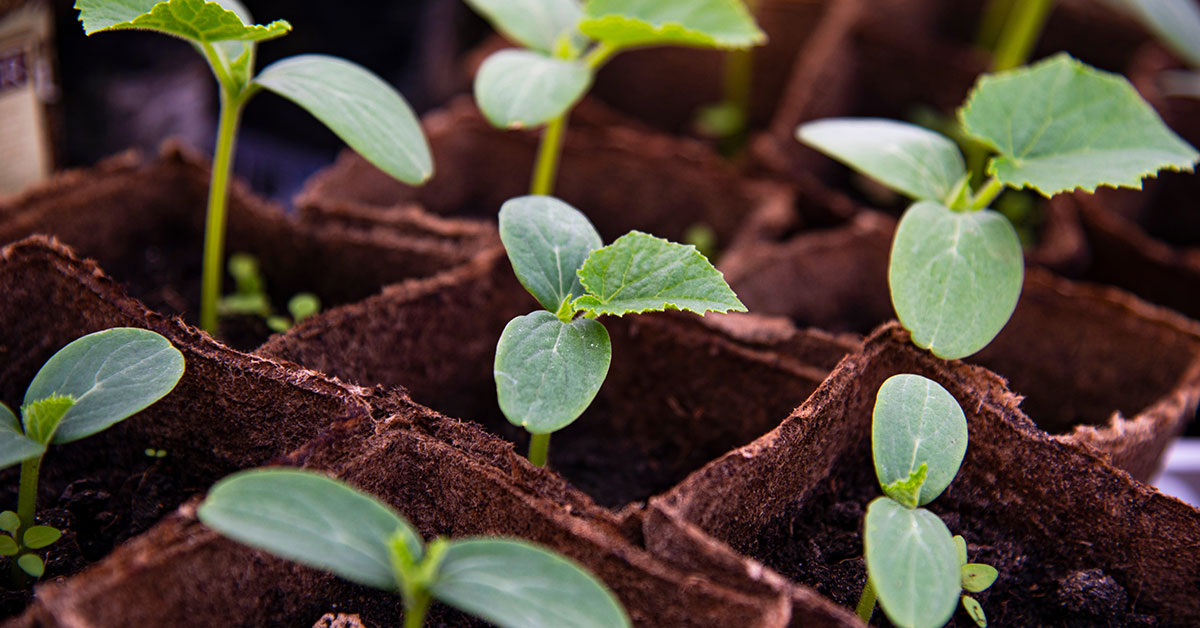
To be more specific, you can start cucumbers indoors about 3-4 weeks before the last expected frost date in your area. This allows the seedlings to establish and gain strength before transplanting them outdoors. In Missouri, the average last frost date varies across the state, ranging from early to mid-April in the southern parts to late April or early May in the northern regions.
Once the danger of frost has passed and the soil temperature reaches around 60°F (15°C) or higher, you can transplant the cucumber seedlings into your garden. Alternatively, if you prefer direct sowing, you can wait until mid to late May when the soil has warmed up sufficiently to support germination.
Cucumbers are sun-loving plants, so choose a location in your garden that receives at least 6-8 hours of direct sunlight per day. The soil should be fertile, well-draining, and enriched with organic matter to ensure optimal growth.
Remember to provide support for your cucumber vines, as they are climbers and benefit from trellises or stakes to keep the fruits off the ground. Regular watering, mulching, and fertilizing will help maintain healthy and productive cucumber plants throughout the growing season.
By following these guidelines and considering your specific hardiness zone, you can ensure a successful cucumber harvest in Missouri. Happy gardening!
When to harvest cucumbers in Missouri
In Missouri, the optimal time to harvest cucumbers is typically when they reach full maturity, which is around 50-70 days after planting. The exact timing can vary depending on the cucumber variety you are growing.
It is important to monitor the size, color, and texture of the cucumbers to determine if they are ready for harvest. Generally, cucumbers are ready to be picked when they are firm, have a dark green color, and are about 6-8 inches in length.
Harvesting cucumbers regularly, every 2-3 days as it promotes continuous production and prevents overripening. If left on the vine too long, cucumbers can become bitter and lose their crispness.
Remember to use a sharp knife or pruning shears to cut the cucumbers from the vine, leaving a small stem attached. This helps to prevent damage to the plant and ensures better storage and shelf life for the harvested cucumbers.
Other considerations
When growing cucumbers in Missouri, there are several additional considerations to keep in mind:
- Climate: Missouri has a humid continental climate with hot summers and cold winters. Cucumbers thrive in warm weather. It’s important to ensure they receive plenty of sunlight and warmth during the growing season. Consider planting them in a location that gets at least 6-8 hours of direct sunlight daily.
- Soil: Cucumbers prefer well-draining soil with a pH level between 6.0 and 7.0. Before planting, it’s a good idea to amend the soil with organic matter. Such as compost or aged manure, to improve fertility and drainage.
- Watering: Cucumbers have high water requirements, especially during hot summer months. They need consistent moisture but should not be waterlogged. Consider using a drip irrigation system or soaker hoses to provide a slow, steady water supply to the roots, keeping the leaves dry to prevent disease.
- Trellising: Cucumbers are vining plants that benefit from trellising or support structures. This not only saves space but also improves air circulation, reduces diseases, and makes harvesting easier. Install trellises or stakes before planting to avoid damaging the roots later.
- Pest and disease management: Cucumbers are susceptible to various pests and diseases, including cucumber beetles, aphids, powdery mildew, and downy mildew. Practice good garden hygiene, such as removing weeds and debris, to minimize hiding places for pests. Consider using organic pest control methods or applying appropriate pesticides when necessary.
- Variety selection: Choose cucumber varieties that are well-suited for Missouri’s climate and growing conditions. Look for disease-resistant varieties that can withstand common cucumber diseases prevalent in the area, such as powdery mildew and downy mildew.
- Succession planting: To ensure a continuous harvest throughout the growing season, consider planting cucumbers in multiple succession, about two to three weeks apart. This will help extend the harvest and prevent a glut of cucumbers all at once.
By considering these factors, you can increase the chances of a successful cucumber harvest in Missouri’s climate.