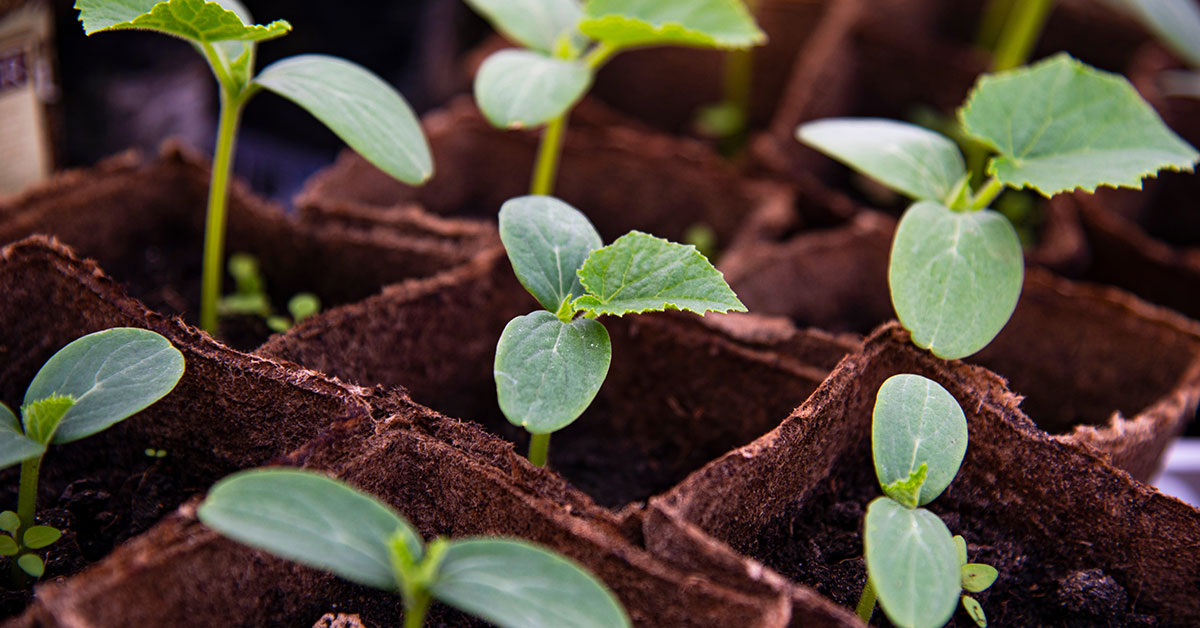

Growing cucumbers in Michigan is a part of the state’s renowned diverse agriculture and for avid gardeners. the state offers a wealth of opportunities to grow a wide range of crops.
This refreshing and versatile vegetable is a great addition to any garden. However, as with all plants, the timing of when to plant cucumbers is crucial to ensure a successful harvest.
We will discuss the best time to plant cucumbers in Michigan. Taking into account the specific climate and growing conditions of the region.
Best varieties of cucumbers to grow in Michigan
In Michigan, there are several cucumber varieties that are well-suited to the climate and growing conditions. Here are some popular options:
- Marketmore 76: This is a classic slicing cucumber variety that performs well in Michigan. It produces dark green, straight fruits with a crisp texture and mild flavor.
- Straight Eight: Another excellent slicing cucumber, Straight Eight is known for its uniform shape and size. It has a sweet and refreshing taste and is a reliable performer in Michigan gardens.
- Bush Champion: If you have limited space or prefer to grow cucumbers in containers, Bush Champion is a great choice. It is a compact variety that produces full-sized, slicing cucumbers on dwarf plants.
- Picklebush: As the name suggests, Picklebush is perfect for making pickles. This compact variety is ideal for small gardens and containers. It produces an abundance of small, crisp cucumbers that are perfect for pickling.
- Diva: Diva cucumbers are known for their excellent disease resistance and high-quality fruits. They have a thin, tender skin and a sweet, non-bitter flavor. Diva cucumbers are great for slicing, salads, and pickling.
Remember to provide your cucumbers with full sun, well-drained soil, and regular watering. Additionally, it’s important to be mindful of common cucumber pests such as cucumber beetles and cucumber mosaic virus. Good luck with your cucumber garden in Michigan!
When to plant Cucumbers in Michigan
In Michigan, the state’s hardiness zones vary from zone 3a in the Upper Peninsula to zone 6a in the southern parts of the state. These zones are determined by average winter temperatures and help gardeners identify which plants are most likely to survive and thrive in their specific areas.
When it comes to cucumbers, they are warm-season vegetables that require a frost-free growing season to produce a good harvest. It is recommended to plant cucumbers in Michigan after the danger of frost has passed, typically in late spring or early summer.
For zones 3a to 4b (Upper Peninsula and northern regions of Michigan), the best time to plant cucumbers is between mid-May and early June. This allows the soil to warm up sufficiently and reduces the risk of frost damaging the young plants.
For zones 5a to 6a (central and southern parts of Michigan), the best time to plant cucumbers is between mid-April and late May. These regions typically experience warmer temperatures earlier in the year, allowing for an earlier planting schedule.
When preparing to plant cucumbers, it is important to consider soil temperature and frost dates. Cucumber seeds germinate best when soil temperatures reach around 70°F (21°C). If you prefer to start with seedlings, you can start them indoors 3-4 weeks before the intended planting date and transplant them once the soil is warm enough.
Cucumbers thrive in well-drained soil enriched with organic matter. They require full sun exposure for at least 6-8 hours per day. You can sow the seeds directly into the soil, spacing them about 12-24 inches apart, or plant them in raised beds or containers if you have limited space.
Regular watering is crucial for cucumbers, especially during hot summer months. Adequate moisture helps prevent bitterness and ensures good fruit development. Mulching around the plants can help conserve soil moisture and suppress weed growth.
To maximize cucumber production, you can also provide support such as trellises or cages for the vines to climb. This helps keep the fruits off the ground, reduces disease risks, and makes harvesting easier.
Remember to monitor the weather conditions and protect your cucumber plants from late spring frosts or unexpected cold snaps by covering them with row covers or using other protective measures when needed.
By following these guidelines and paying attention to your specific hardiness zone, you can enjoy a bountiful cucumber harvest in your Michigan garden.
When to harvest cucumbers in Michigan
In Michigan, the optimal time to harvest cucumbers is typically in late summer, from July through September. The specific timing can vary depending on the cucumber variety you are growing. It is best to monitor the cucumbers closely and harvest them when they are fully grown and have reached their desired size. Generally, cucumbers are ready to be picked when they are about 6-8 inches long and have a firm texture. Regularly check your plants for mature cucumbers and harvest them promptly to ensure the best flavor and quality.
Other considerations
When growing cucumbers in Michigan, there are a few additional considerations to keep in mind:
- Climate: Michigan has a relatively short growing season, so it’s important to choose cucumber varieties that have a shorter maturity period. Look for varieties labeled as “early” or “cold-tolerant” to ensure success.
- Soil: Cucumbers prefer well-draining soil with a pH level between 6.0 and 7.0. Test your soil and amend it with organic matter like compost or aged manure to improve its fertility and drainage.
- Sunlight: Cucumbers require at least 6-8 hours of direct sunlight each day for optimal growth. Choose a sunny location in your garden to plant them.
- Watering: Cucumbers need consistent moisture, especially during the flowering and fruiting periods. Ensure the soil remains evenly moist, but avoid overwatering, which can lead to root rot. Consider using drip irrigation or a soaker hose to water at the base of the plants, minimizing wet foliage and reducing the risk of diseases.
- Trellising: To save space and improve air circulation, consider trellising your cucumber plants. This also helps keep the fruits off the ground, reducing the risk of rot and pest damage.
- Pest and disease management: Common pests that can affect cucumbers in Michigan include cucumber beetles, aphids, and powdery mildew. Regularly inspect your plants for signs of pests or diseases and take appropriate measures, such as using organic insecticides or practicing companion planting to deter pests.
- Harvesting: Cucumbers should be harvested when they reach the desired size and are still firm. Regularly check your plants for ripe cucumbers to prevent them from becoming overripe or developing bitter flavors.
- Crop rotation: To minimize the risk of diseases and pests building up in the soil, it’s advisable to rotate your cucumber plants with different crops each year. Avoid planting cucumbers in the same spot for consecutive years.
By considering these factors, you can increase your chances of successfully growing cucumbers in Michigan.