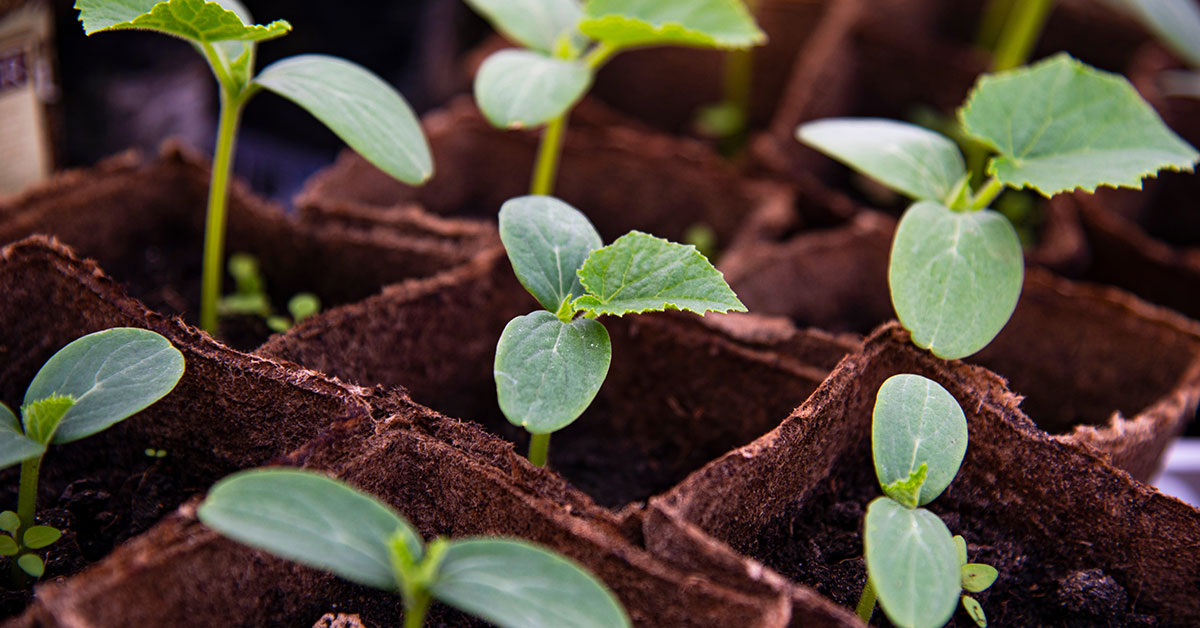

It’s essential to know the best time to introduce cucumbers to your garden in Massachusetts. With its unique climate and varying temperatures, requires careful consideration when it comes to planting cucumber seeds or seedlings. In this article, we will guide you through the optimal time to plant cucumbers in Massachusetts, ensuring a successful and bountiful harvest. From frost dates to soil preparation, get ready to embark on your cucumber-growing journey in the Bay State.
Best varieties of cucumbers for Massachusetts gardens
There are several varieties of cucumbers that grow well in Massachusetts. Here are a few popular choices:
- ‘Marketmore 76’: This is a classic slicing cucumber that is well-suited for the Massachusetts climate. It produces dark green, straight fruits with a crisp texture and mild flavor.
- ‘Boston Pickling’: As the name suggests, this cucumber variety is ideal for pickling. It produces small to medium-sized fruits with thin, bumpy skin and excellent flavor.
- ‘Straight Eight’: This heirloom variety is known for its straight, uniform fruits that are about 8 inches long. It has a refreshing taste and is great for slicing and salads.
- ‘Lemon Cucumber’: This unique variety produces small, round cucumbers that resemble lemons. They have a mild, sweet flavor and are excellent for snacking or adding to salads.
- ‘Bush Champion’: If you have limited space or prefer container gardening, this compact cucumber variety is a great choice. It produces high yields of tasty, dark green fruits on compact plants.
Remember to provide your cucumbers with full sun, well-draining soil, and consistent watering for the best results.
When to plant Cucumbers in Massachusetts
In Massachusetts, the hardiness zones range from 5a in the western part of the state to 7a in the eastern coastal regions. These hardiness zones determine the suitability of plants for a particular area based on the average minimum winter temperatures. It is essential to consider the hardiness zones when planning your garden, as it helps you select plants that can withstand the local climate conditions.
When it comes to cucumbers, they are warm-season vegetables that thrive in full sun and require a frost-free growing season. In Massachusetts, the best time to plant cucumbers is typically between late May and early June, after the danger of frost has passed, and the soil has warmed up to around 60°F (15°C). Planting cucumbers during this period ensures that they have enough time to grow and mature before the cooler temperatures return in the fall.
Before planting cucumbers, it is essential to prepare the soil adequately. Cucumbers prefer well-draining soil rich in organic matter. You can amend the soil with compost or aged manure to improve its fertility and structure. Additionally, it is beneficial to mulch around the cucumber plants to retain moisture, suppress weeds, and maintain a consistent soil temperature.
When planting cucumbers, you can choose between direct seeding or starting them indoors and transplanting later. Direct seeding involves planting cucumber seeds directly into the garden soil. Sow the seeds about 1 inch (2.5 cm) deep, spaced 12-18 inches (30-45 cm) apart in rows that are 5-6 feet (1.5-1.8 meters) apart. If you decide to start cucumbers indoors, sow the seeds in peat pots or seed trays about three weeks before the last frost date. Transplant the seedlings into the garden, when they have developed a few true leaves and all risk of frost, has passed.
It is important to note that cucumbers are vining plants that require support or trellising. Providing a trellis or stakes for the plants to climb not only saves space but also promotes better air circulation and reduces the risk of disease.
Regular watering is crucial for cucumber plants, especially during hot and dry periods. Aim to keep the soil consistently moist, but not waterlogged, as cucumbers are susceptible to root rot. Water deeply at the base of the plants and try to avoid wetting the foliage, as this can promote fungal diseases.
By following these guidelines and considering the hardiness zones in Massachusetts, you can enjoy a bountiful cucumber harvest throughout the summer season. Happy gardening!
When to harvest cucumbers in Massachusetts
The optimal time to harvest cucumbers in Massachusetts is typically in the late summer months, specifically from July to September. Cucumbers are warm-season vegetables and require a longer growing period to reach maturity.
The exact timing of the harvest can vary depending on the specific variety of cucumber you are growing and the weather conditions in your area. However, you can generally start harvesting cucumbers when they reach a length of 6-8 inches and have a firm texture.
Be sure to check your plants regularly and harvest the cucumbers as soon as they reach the desired size, as leaving them on the vine for too long can result in over-ripening and a decline in quality.
Other considerations
When growing cucumbers in Massachusetts, there are several other considerations to keep in mind:
- Climate: Massachusetts has a temperate climate with moderate summers. Cucumbers thrive in warm weather. It’s important to choose cucumber varieties that are suitable for your region and have a shorter growing season. Additionally, consider starting seeds indoors and transplanting them outside after the last frost date to give the plants a head start.
- Soil: Cucumbers prefer well-draining, fertile soil with a pH level between 6.0 and 7.0. Before planting, amend the soil with organic matter such as compost or well-rotted manure to improve its fertility and drainage.
- Sunlight: Cucumbers require full sun exposure, ideally for 6-8 hours a day. Choose a location in your garden that receives ample sunlight throughout the day.
- Watering: Cucumbers have high water needs, especially during hot summer months. Ensure the soil stays consistently moist but not waterlogged. Consider using mulch around the plants to retain moisture and reduce weed growth.
- Trellising: Cucumbers are vining plants that benefit from trellising or support structures. Trellising helps save space, improves air circulation around the plants, and keeps the fruits off the ground, reducing the risk of diseases and pests.
- Diseases and Pests: Cucumbers are susceptible to various diseases and pests, including powdery mildew, cucumber beetles, and bacterial wilt. To prevent or manage these issues, practice crop rotation, provide adequate spacing between plants, and use organic pest control methods. Such as companion planting, beneficial insects, or organic insecticides when necessary.
- Harvesting: Cucumbers are typically ready for harvest within 50-70 days, depending on the variety. Harvesting regularly encourages continuous production. Pick cucumbers when they reach the desired size, firmness, and color. Overripe or yellow cucumbers should be removed from the plant to maintain productivity.
Remember to monitor your plants regularly, provide proper care, and address any issues promptly to ensure a successful cucumber harvest in Massachusetts.