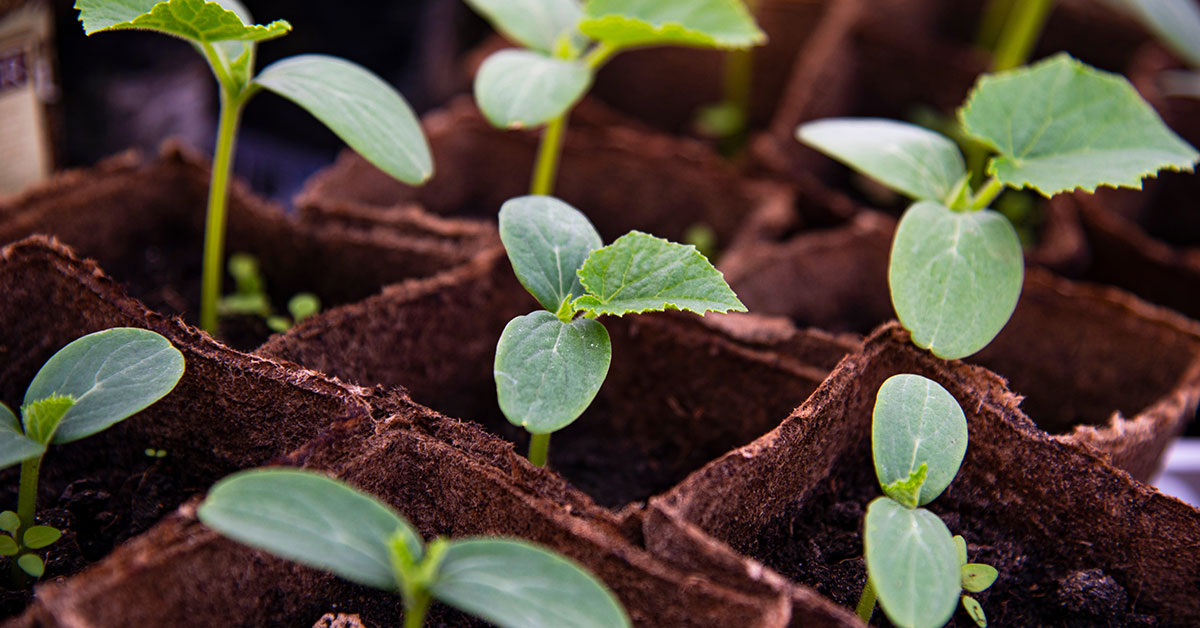

Growing cucumbers in Maine, with its relatively short growing season and cool temperatures, requires careful consideration.
We will explore the ideal time to plant cucumbers in Maine. Taking into account the frost dates, soil temperature, and other factors that will ensure a successful cucumber harvest.
Best varieties of cucumbers to grow in Maine
In Maine, where the climate can be cool and the growing season relatively short, it’s important to choose cucumber varieties that are well-suited to these conditions. Here are a few cucumber varieties that tend to perform well in Maine:
- ‘Marketmore 76’: This is a popular cucumber variety that is known for its disease resistance, particularly to common cucumber diseases like powdery mildew. It produces dark green, straight fruits that are about 6-8 inches long and have a refreshing taste.
- ‘Northern Pickling’: As the name suggests, this variety is excellent for pickling. It is known for its productivity and ability to set fruit even in cooler temperatures. The cucumbers are small to medium-sized, with a crispy texture and excellent flavor.
- ‘Lemon Cucumber’: This unique variety produces small, round cucumbers that resemble lemons. They have a mild, sweet flavor and are perfect for fresh eating or adding to salads. Lemon cucumbers are known for their hardiness and can tolerate cooler temperatures.
- ‘Bush Champion’: If you have limited space or prefer growing cucumbers in containers, ‘Bush Champion’ is a great choice. It is a compact, bush-type cucumber that doesn’t require much trellising or support. The fruits are dark green, slightly blocky, and have a crisp texture.
- ‘Fanfare’: This variety is specifically bred for cooler climates and performs well in Maine. It has good disease resistance, including resistance to powdery mildew. The cucumbers are slender, dark green, and have a sweet, mild flavor.
Remember to provide your cucumber plants with full sun exposure, well-drained soil, and consistent moisture for optimal growth.
When to plant Cucumbers in Maine
In Maine, the hardiness zones range from zone 3b in the northern parts of the state to zone 6a along the coast. These hardiness zones provide valuable information about the average minimum winter temperatures in a particular area, helping gardeners determine which plants are most likely to thrive in their region.
When it comes to cucumbers, they are considered warm-season vegetables that thrive in temperatures between 70°F and 95°F (21°C to 35°C). Therefore, it is crucial to plant cucumbers after the danger of frost has passed and the soil has warmed up.
In Maine, the best time to plant cucumbers is typically in late spring or early summer, when the soil temperature has reached at least 60°F (15.5°C). This is usually around mid-May to early June in most parts of the state. However, it is always recommended to check the soil temperature using a soil thermometer to ensure it is within the appropriate range for planting cucumbers.
Before planting, prepare the soil by removing any weeds and incorporating organic matter such as compost or well-rotted manure. Cucumbers prefer well-draining soil with a pH level of around 6.0 to 7.0. It is also beneficial to add a layer of organic mulch around the plants to retain moisture and suppress weed growth.
Cucumbers can be planted directly in the ground or in raised beds. If you choose to start them indoors, it is recommended to sow cucumber seeds about 2-4 weeks before the last expected frost date and transplant them outdoors when the soil is warm enough.
When planting cucumbers, space the seeds or seedlings about 12 to 18 inches apart in rows that are approximately 3 to 4 feet apart. Cucumbers are vining plants, so providing them with trellises or support structures will help maximize space and airflow. This can also help reduce disease problems.
To ensure a successful cucumber harvest, make sure to provide consistent moisture to the plants. Cucumbers require regular watering, especially during dry spells. It is best to water deeply, providing about 1 to 1.5 inches of water per week. Avoid overhead watering to prevent the spread of fungal diseases.
In terms of pest control, keep an eye out for common cucumber pests such as cucumber beetles, aphids, and spider mites. Regularly inspect the plants and take appropriate measures, such as using organic insecticides or implementing companion planting techniques to deter pests.
By following these guidelines and considering your local hardiness zone, you can successfully grow cucumbers in Maine and enjoy a bountiful harvest throughout the summer months.
When to harvest cucumbers in Maine
The optimal time to harvest cucumbers in Maine is typically in late summer or early fall, when the fruit is fully matured and at its peak flavor and texture. This usually occurs around 55 to 65 days after planting, depending on the variety of cucumber you are growing.
You can check the maturity of the cucumbers by observing their color, size, and firmness. Cucumbers are usually ready to harvest when they have a dark green color, are about 6-8 inches long, and feel firm to the touch. It’s important not to let them overripen on the vine. As this can result in a bitter taste and tougher texture.
Other considerations
When growing cucumbers in Maine, there are several additional considerations to keep in mind:
- Climate: Maine has a relatively short growing season, so it is important to choose cucumber varieties that have a shorter maturation period. Look for varieties that are specifically suited to cooler climates or have a shorter days to maturity.
- Soil: Cucumbers prefer well-draining soil that is rich in organic matter. Amend the soil with compost or well-rotted manure before planting to improve its fertility and drainage. Conduct a soil test to ensure the pH is between 6.0 and 7.0, as cucumbers prefer slightly acidic to neutral soil.
- Sunlight: Cucumbers are sun-loving plants and require at least 6-8 hours of direct sunlight per day. Choose a location in your garden that receives ample sunlight to promote healthy growth and abundant fruit production.
- Watering: Cucumbers have high water requirements and need consistent moisture throughout the growing season. Water deeply and regularly, especially during dry spells, to ensure the soil stays consistently moist. Avoid overhead watering to prevent diseases, such as powdery mildew, from developing on the foliage.
- Trellising or support: Consider providing a trellis or support system for your cucumber plants. This helps promote vertical growth, saves space, improves air circulation, and makes it easier for the plants to produce straighter fruits. It also reduces the risk of soil-borne diseases and keeps the cucumbers cleaner.
- Pest and disease management: Keep an eye out for common pests such as cucumber beetles, aphids, and spider mites. Monitor your plants regularly and take appropriate measures. Such as using organic insecticides or implementing integrated pest management strategies, to control these pests. Additionally, be vigilant for diseases like powdery mildew and downy mildew, which can impact cucumber plants. Remove and destroy any infected plant material to prevent the spread of diseases.
- Successive planting: Since cucumbers have a relatively short harvest window, consider staggering your plantings to ensure a continuous supply of fresh cucumbers. This can be done by starting seeds indoors a few weeks before the last frost date. Then transplanting them outdoors when the weather is consistently warm. Additionally, you can sow seeds directly in the garden every few weeks to extend the harvest period.
By considering these factors and providing the necessary care, you can have a successful cucumber harvest in Maine. Happy gardening!