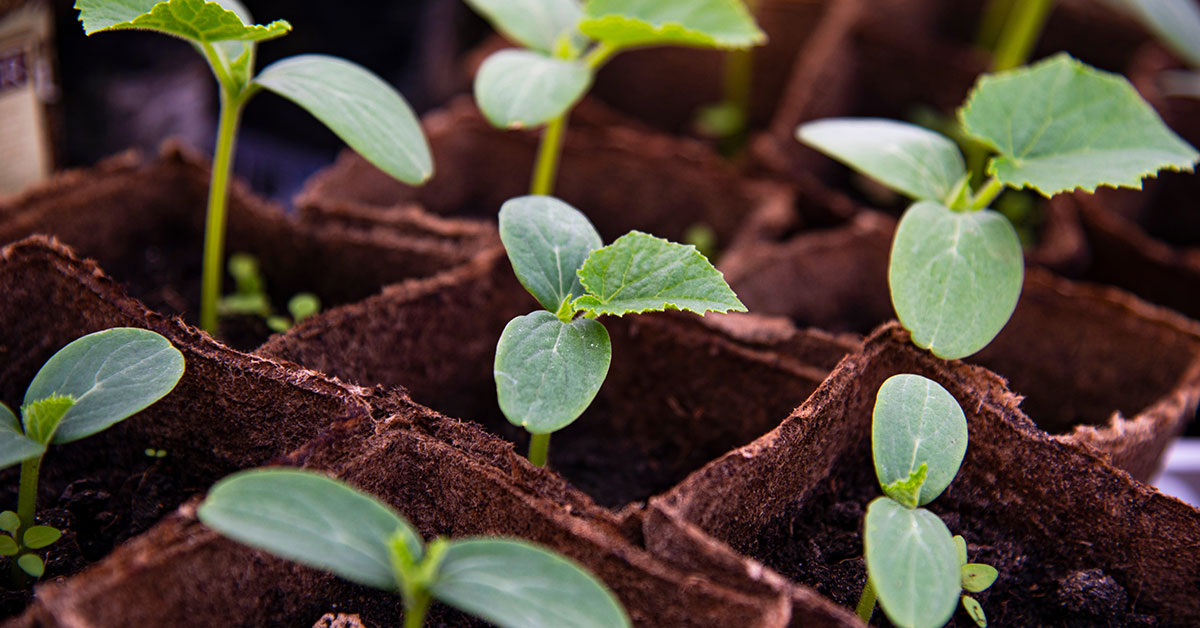

The best time to plant cucumbers in Kentucky is important due to its unique climate. Cucumbers are warm-season vegetables that thrive in sunny and well-drained soil. Whether you’re a beginner or an experienced gardener, understanding the ideal planting time is crucial for a successful cucumber harvest.
We will talk about the optimal timing, weather conditions, and additional tips to help you achieve a bountiful cucumber yield in the Bluegrass State.
Best varieties of cucumbers for Kentucky gardens
There are several good varieties of cucumbers that grow well in Kentucky’s climate. Here are a few recommendations:
- Marketmore 76: This is a popular cucumber variety that produces dark green, straight fruits. It is known for its excellent flavor and disease resistance.
- Straight Eight: As the name suggests, Straight Eight cucumbers are known for their straight, uniform shape. They have a crisp texture and mild flavor, making them great for salads and pickling.
- Armenian cucumber: Also known as “snake melon,” Armenian cucumbers are actually a type of cucumber with a unique, elongated shape. They have a thin, tender skin and a mild, refreshing taste.
- Boston Pickling: This variety is specifically bred for pickling. It produces small to medium-sized cucumbers with a classic pickle taste. They are also great for fresh eating.
- Lemon cucumber: Lemon cucumbers are small, round cucumbers that resemble lemons in appearance. They have a mild, sweet flavor and are perfect for snacking or adding to salads.
These varieties should thrive in Kentucky’s climate and provide you with a bountiful cucumber harvest. Remember to provide them with adequate sunlight, water, and support as they grow. Happy gardening!
When to plant Cucumbers in Kentucky
In Kentucky, the state’s hardiness zones range from 6a to 7b, depending on the region. Hardiness zones are a useful tool for gardeners as they provide information about the average minimum temperatures in a specific area, helping determine which plants can thrive in a particular region.
When it comes to planting cucumbers in Kentucky, it is important to consider both the hardiness zone and the average last frost date. Cucumbers are warm-season vegetables that thrive in temperatures between 70°F and 95°F (21°C to 35°C). They do not tolerate frost and prefer consistent warmth.
In Kentucky, the average last frost date varies across the state. The southern parts, such as zones 6b and 7a, the last frost may occur around mid to late April. In the northern regions, like zone 6a, the last frost date may extend into early to mid-May. It is crucial to wait until after the last frost to ensure the safety of your cucumber plants.
To determine the best time to plant cucumbers, consider the following steps:
- Identify your hardiness zone: Determine your specific hardiness zone in Kentucky as it will help you understand the average climate conditions in your area.
- Check the last frost date: Research the average last frost date for your region. This information is crucial in deciding when it is safe to plant cucumbers outdoors.
- Count backward: Count backward from the last frost date by about 2 to 4 weeks. This will give you a suitable window for starting cucumber seeds indoors to later transplant them outside.
- Start seeds indoors: If you wish to start cucumber seeds indoors, begin the process 2 to 4 weeks before your estimated last frost date. Use seed trays or pots filled with seed-starting mix. Keep them in a warm area with adequate sunlight or under grow lights.
- Transplant outdoors: Once the danger of frost has passed, and the soil has warmed up, typically when daytime temperatures consistently reach 70°F (21°C) or higher, you can transplant your cucumber seedlings outdoors. This usually falls around early to mid-May in Kentucky.
- Direct sowing: Alternatively, if you prefer to directly sow cucumber seeds in the garden, wait until the soil temperature has reached at least 60°F (15°C) for optimal germination. This usually coincides with the same timeframe as transplanting seedlings.
By following these guidelines and considering your specific hardiness zone and last frost date, you can determine the best time to plant cucumbers in Kentucky and increase the chances of a successful harvest.
When to harvest cucumbers in Kentucky
The optimal time to harvest cucumbers in Kentucky is typically when they reach a length of 6-8 inches and have a vibrant green color. This usually occurs around 50-70 days after planting, depending on the cucumber variety and growing conditions.
It’s important to check the specific instructions on the seed packet or plant tag for the recommended harvest time for the particular cucumber variety you are growing. Additionally, cucumbers should be firm and crisp to the touch, with no yellowing or browning of the skin. Regularly harvesting cucumbers when they are at the right size encourages the plant to continue producing more fruit throughout the growing season.
Other considerations
When growing cucumbers in Kentucky, there are a few additional considerations to keep in mind:
- Sunlight: Cucumbers require full sunlight, so ensure they receive at least 6-8 hours of direct sunlight per day. Choose a sunny location in your garden or consider using raised beds or containers that can be moved to maximize sun exposure.
- Soil: Cucumbers prefer well-draining soil that is rich in organic matter. Before planting, amend the soil with compost or well-rotted manure to improve its fertility and drainage. Additionally, maintain a soil pH between 6.0 and 7.0 for optimal growth.
- Watering: Cucumbers have high water needs, especially during hot summer months. Provide consistent moisture by watering deeply, ensuring that the soil is evenly moist but not waterlogged. Mulching around plants can help retain soil moisture and reduce weed competition.
- Trellising: Consider using trellises or supports to train cucumber vines to grow vertically. This not only saves space in the garden but also improves air circulation, reduces disease risks, and makes harvesting easier.
- Pest and Disease Management: Cucumbers are susceptible to various pests and diseases, including cucumber beetles, aphids, powdery mildew, and downy mildew. Implement integrated pest management strategies such as regular inspection, handpicking insects, using row covers, and applying organic insecticides when necessary. To prevent diseases, avoid overhead watering, provide adequate spacing between plants for good airflow, and consider disease-resistant cucumber varieties.
- Succession Planting: To extend the harvest season, consider planting cucumbers in succession, staggering plantings by a few weeks. This ensures a continuous supply of fresh cucumbers throughout the growing season.
- Pollination: Cucumbers require pollination to produce fruit. While bees and other pollinators are usually abundant in Kentucky, you can also hand-pollinate cucumbers by transferring pollen from male flowers to female flowers using a small brush or cotton swab.
By considering these factors, you can increase your chances of successfully growing cucumbers in Kentucky and enjoy a bountiful harvest.