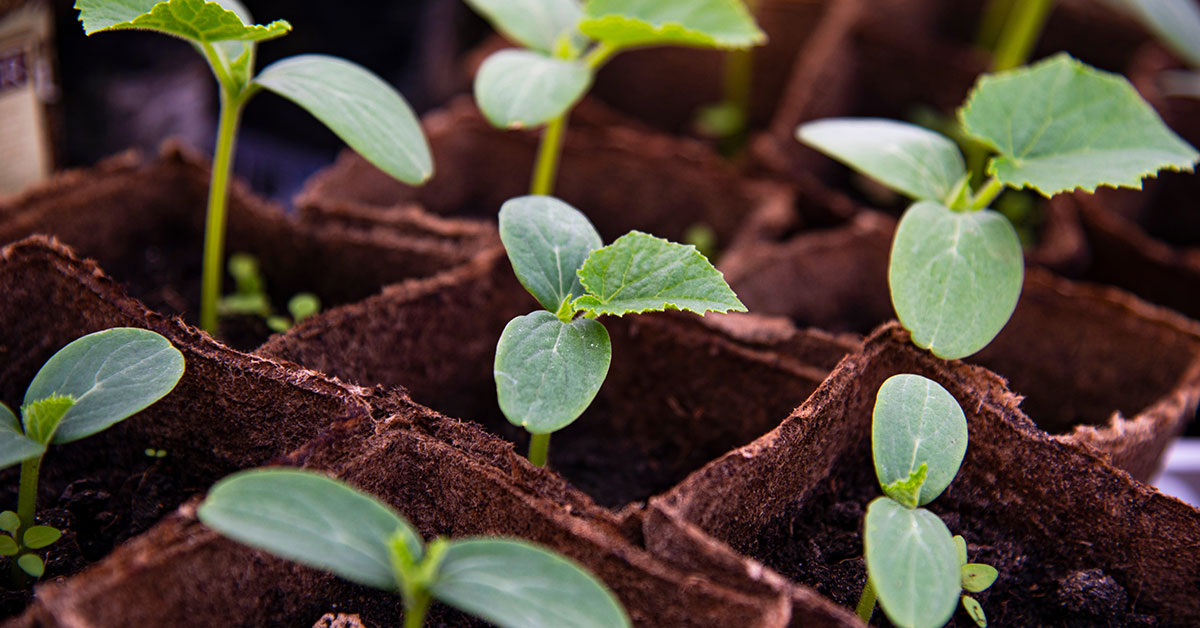

The best time to plant cucumbers in the state of Kansas is crucial for the success of your garden. Known for its diverse climate and varying temperatures, Kansas presents unique challenges and opportunities for gardeners.
By understanding the local weather patterns and the specific needs of cucumbers, you can optimize your planting time to ensure a bountiful harvest.
Best varieties of cucumbers to grow in Kansas
In Kansas, there are several cucumber varieties that are well-suited for the local climate and growing conditions. Here are a few recommended cucumber varieties for Kansas:
- Marketmore: This is a popular variety that produces dark green, straight cucumbers. It has a mild flavor and is known for its high yield. Marketmore is resistant to many common cucumber diseases.
- Straight Eight: This variety produces straight, dark green cucumbers that are about 8 inches long. It has a crisp texture and a mild, refreshing taste. Straight Eight is a reliable and productive variety.
- Bush Champion: If you have limited space or prefer to grow cucumbers in containers, Bush Champion is an excellent choice. It is a compact, bushy variety that does not require trellising. The cucumbers are short and blocky, with a sweet flavor.
- Diva: Diva cucumbers are known for their exceptional flavor and crispness. They have thin, tender skins and are seedless, making them perfect for fresh eating and salads. Diva is also resistant to many common cucumber diseases.
- Homemade Pickles: As the name suggests, this cucumber variety is great for making pickles. It produces small, blocky cucumbers that are ideal for pickling. Homemade Pickles is disease-resistant and has a crunchy texture.
Remember to consider the specific growing conditions in your garden, such as sunlight, soil type, and available space, when choosing cucumber varieties.
When to plant Cucumbers in Kansas
In Kansas, the state’s hardiness zones range from Zone 5b in the northwest to Zone 7a in the southeast. These zones help gardeners determine which plants are most likely to thrive in their specific climate and temperature conditions.
When it comes to cucumbers, they are warm-season vegetables that prefer temperatures between 70 to 95 degrees Fahrenheit. It is essential to wait until the danger of frost has passed before planting cucumbers outdoors. In Kansas, this typically occurs around mid to late May in most regions.
To give your cucumbers the best chance of success, it is recommended to start the seeds indoors about 3-4 weeks before the last expected frost date. This will allow them to develop into healthy seedlings before transplanting them into the garden. Alternatively, you can also wait until the last expected frost date and directly sow cucumber seeds into the ground.
Cucumbers require full sun exposure, at least 6-8 hours of sunlight daily, and well-drained soil. It is beneficial to prepare the soil by incorporating organic matter, such as compost, to improve its fertility and drainage. Before transplanting or sowing seeds, make sure the soil temperature has reached at least 60 degrees Fahrenheit.
When planting cucumbers, it is essential to provide adequate spacing between plants. Each cucumber plant should be placed about 12-18 inches apart in rows that are 5-6 feet apart. This spacing allows the plants to receive proper air circulation, reducing the risk of diseases.
Regular watering is crucial for cucumbers, as they have shallow roots and require consistent moisture. It is recommended to water deeply once or twice a week, providing about 1-2 inches of water each time. Mulching around the plants can help conserve moisture and suppress weed growth.
To encourage healthy growth and higher yields, consider providing support for your cucumber plants. Trellising or using a cage will help keep the vines off the ground, prevent fruit rot, and save space in the garden.
Harvesting cucumbers can typically begin about 55-65 days after planting, depending on the variety. Regularly check the plants for mature cucumbers, which are usually firm, dark green, and have a glossy appearance. Harvesting frequently encourages the plant to produce more cucumbers.
By following these guidelines and considering the specific conditions in your area, you can successfully grow cucumbers in Kansas and enjoy a bountiful harvest.
When to harvest cucumbers in Kansas
In Kansas, the optimal time to harvest cucumbers is typically between mid-July and early September. However, it’s important to note that the exact timing may vary depending on the specific variety of cucumber you are growing and the prevailing weather conditions in your area. To determine if your cucumbers are ready for harvest, you can check for the following signs:
- Size: Cucumbers are typically ready for harvest when they reach a size appropriate for the variety you are growing. Generally, this is when they are around 6-8 inches long, but some varieties may be smaller or larger.
- Color: Most cucumbers are harvested when they are still green in color. Look for a vibrant, uniform green color across the entire cucumber.
- Texture: Feel the cucumber’s skin to ensure it is firm and smooth. Avoid cucumbers that have soft spots or wrinkled skin, as these may be overripe.
- Taste: Taste test a cucumber to ensure it has a crisp and refreshing flavor. Overripe cucumbers tend to become bitter or develop a woody texture.
It’s always a good idea to monitor your cucumber plants regularly as they can quickly go from underripe to overripe. Harvesting cucumbers regularly promotes continued fruit production, so be sure to check your plants every couple of days during the peak harvest season.
Other considerations
When growing cucumbers in Kansas, there are a few additional considerations to keep in mind:
- Soil preparation: Cucumbers prefer well-drained soil with a pH level between 6 and 7. Before planting, amend the soil with organic matter such as compost to improve fertility and drainage.
- Sunlight: Cucumbers require full sun to thrive. Ensure that your chosen growing location receives at least 6-8 hours of direct sunlight per day.
- Watering: Cucumbers have high water requirements. Regular, consistent watering is essential, especially during hot summer months. Aim to keep the soil consistently moist but not waterlogged. Mulching around the plants can help retain moisture and regulate soil temperature.
- Trellising or support: Cucumber vines can be trained to grow vertically using trellises, stakes, or cages. This allows better air circulation, reduces disease risk, and makes harvesting easier.
- Pest management: Cucumbers are prone to various pests such as cucumber beetles, aphids, and spider mites. Regularly inspect your plants for signs of infestation and take appropriate measures such as handpicking, using insecticidal soaps, or applying organic pest control methods.
- Disease prevention: Common cucumber diseases in Kansas include powdery mildew, downy mildew, and bacterial wilt. To prevent these diseases, ensure proper air circulation by spacing plants adequately, avoid overhead watering, and remove any infected plants promptly.
- Pollination: Cucumbers require pollination to produce fruit. Encourage pollinators like bees to visit your garden by planting flowers nearby or using pollinator-friendly practices.
- Timing: Start cucumber seeds indoors 3-4 weeks before the last frost date or sow them directly in the garden once the soil has warmed up. Cucumbers thrive in warm temperatures between 70-90°F (21-32°C). Be mindful of the average first frost date in your area, as cucumbers need about 50-70 days to mature.
By considering these factors, you will be better equipped to grow healthy and productive cucumber plants in Kansas.