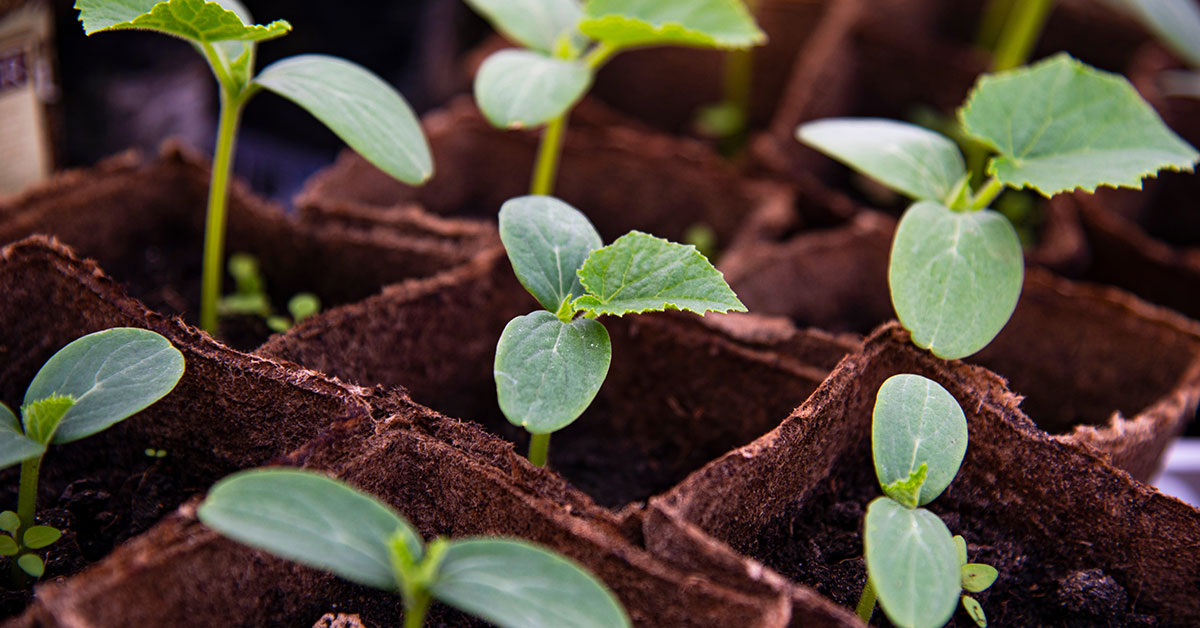

The best time to plant cucumbers in Indiana is a crucial piece of information to know when starting your garden. Cucumbers thrive in warm weather, and Indiana’s climate offers a window of opportunity for a successful cucumber harvest.
However, timing is crucial when it comes to planting cucumbers to ensure optimal growth and yield. In this article, we will delve into the ideal time to plant cucumbers in Indiana, taking into account factors such as frost dates, soil temperature, and the length of the growing season.
Best varieties of cucumber to grow in Indiana
In Indiana, there are several cucumber varieties that thrive well in the local climate. Here are some popular options:
- Marketmore 76: This variety is known for its high yield and disease resistance. It produces dark green cucumbers that are around 8-9 inches long. Marketmore 76 is excellent for slicing and pickling.
- Straight Eight: As the name suggests, Straight Eight cucumbers grow straight and uniform. They have a refreshing taste and are great for fresh eating or pickling. This variety is heat-tolerant and produces high yields.
- Armenian Cucumber: Also known as Yard-Long cucumber, this variety produces long, slender fruits with a mild flavor. Armenian cucumbers are excellent for salads and sandwiches. They can be harvested when they are 12-18 inches long.
- Lemon Cucumber: This unique variety resembles a small, round yellow fruit, hence the name “Lemon Cucumber.” They have a mild, crisp flavor and are great for snacking, salads, or pickling.
- Bush Champion: If you have limited garden space, Bush Champion is an ideal choice. It is a compact, bushy variety that produces small cucumbers. They are perfect for pickling or fresh eating.
- Boston Pickling: As the name suggests, Boston Pickling cucumbers are a popular choice for pickling. They are small, crunchy, and have a slightly tart taste. This variety is disease-resistant and produces high yields.
Remember to provide your cucumber plants with full sun exposure, well-drained soil, and regular watering for optimal growth and productivity.
When to plant Cucumbers in Indiana
Indiana is located in the Midwestern region of the United States and experiences a diverse climate. The state is divided into different hardiness zones, which provide guidance on what plants can thrive in specific areas based on average minimum winter temperatures. Indiana is mostly divided between zones 5 and 6, with a small portion in zone 7.
In zone 5, which covers the northern and central parts of the state, the average minimum winter temperature ranges from -20°F to -10°F (-28°C to -23°C). In zone 6, which includes the southern part of the state, the average minimum winter temperature ranges from -10°F to 0°F (-23°C to -18°C). Zone 7, found in the extreme southwestern part of Indiana, has an average minimum winter temperature range of 0°F to 10°F (-18°C to -12°C).
When it comes to planting cucumbers in Indiana, it is important to consider both the average last frost date and the soil temperature. Cucumbers are warm-season vegetables that thrive in temperatures between 70°F and 95°F (21°C and 35°C). They are not frost-tolerant and prefer soil temperatures above 60°F (15.5°C) for successful germination and growth.
The best time to plant cucumbers in Indiana is typically in late spring when the soil has warmed up and the risk of frost has passed. As a general guideline, you can aim to plant cucumbers around two weeks after the average last frost date for your specific location. In Indiana, the average last frost dates range from late April in the south to mid-May in the north.
To ensure optimal conditions for your cucumbers, it is recommended to start cucumber seeds indoors about 3-4 weeks before the intended planting date. This allows the seedlings to establish themselves before being transplanted into the garden. When transplanting, make sure the soil temperature has reached 60°F (15.5°C) or higher.
If you prefer to direct sow cucumber seeds, wait until the soil has warmed up and there is no longer a risk of frost. Prepare the soil by incorporating compost or well-rotted manure to improve its fertility and drainage. Plant the seeds about 1 inch (2.5 cm) deep and space them 12 to 24 inches (30 to 61 cm) apart, depending on the cucumber variety. Ensure the soil remains consistently moist but not waterlogged throughout the growing season.
By following these guidelines and considering the specific hardiness zone and local conditions in Indiana, you can successfully plant cucumbers and enjoy a bountiful harvest.
When to harvest cucumbers in Indiana
In Indiana, the optimal time to harvest cucumbers typically falls between July and September. However, the exact timing can vary depending on the specific cucumber variety you are growing and the weather conditions in your area. To determine if your cucumbers are ready for harvest, there are a few indicators to look for:
- Size: Cucumbers should be of the appropriate size for their variety. Generally, slicing cucumbers are harvested when they reach around 6-8 inches in length while pickling cucumbers are harvested when they are 2-4 inches long.
- Color: The skin color of mature cucumbers will be dark green, although some varieties may have a lighter or yellowish hue when ripe. Avoid harvesting them if the skin is yellow or has turned orange, as this indicates overripeness.
- Texture: Cucumbers should have a firm and crisp texture. If they feel soft or have a wrinkled appearance, they might be overripe or begin to spoil.
It’s important to regularly check your cucumber plants for ripe fruits, as they can grow quite rapidly, especially in warm weather. Harvesting cucumbers regularly also encourages the plant to produce more fruits.
Other considerations
When growing cucumbers in Indiana, there are several additional considerations to keep in mind:
- Climate: Indiana has a temperate climate with warm summers, which is favorable for growing cucumbers. However, it’s important to start cucumber plants after the last frost date, usually around mid to late May.
- Sunlight: Cucumbers require at least 6-8 hours of direct sunlight daily. Choose a location in your garden that receives ample sunlight throughout the day for optimal growth.
- Soil: Cucumbers prefer well-draining soil rich in organic matter. Before planting, amend your soil with compost or well-rotted manure to improve fertility and drainage. The ideal soil pH for cucumbers is between 6.0 and 7.0.
- Watering: Cucumbers have high water requirements, especially during hot summer months. Regular watering is essential to keep the soil consistently moist, but not waterlogged. Avoid overhead watering as it can increase the risk of disease.
- Mulching: Applying a layer of organic mulch, such as straw or wood chips, around cucumber plants can help retain moisture, suppress weeds, and maintain a more consistent soil temperature.
- Trellising: Cucumbers are climbing vines and can benefit from trellising or providing a sturdy support system. This helps save space, improves air circulation, and keeps the fruits off the ground, reducing the risk of rot and disease.
- Pest and disease management: Cucumbers are susceptible to various pests and diseases, including cucumber beetles, aphids, powdery mildew, and downy mildew. Regularly inspect your plants for any signs of pests or diseases and take appropriate measures such as applying organic insecticides or fungicides, removing affected plant parts, or practicing crop rotation.
- Pollination: Cucumbers require pollination to set fruit. Bees and other pollinators play a crucial role in this process. Encourage pollinators to visit your garden by planting flowers nearby or using companion plants like marigolds or borage.
- Harvesting: Cucumbers are usually ready for harvest within 50-70 days after planting, depending on the variety. Harvest cucumbers when they reach the desired size and color, usually before they become overripe or develop a bitter taste. Regularly picking ripe cucumbers also encourages the plant to produce more.
By considering these factors, you can increase your chances of successfully growing cucumbers in Indiana and enjoy a bountiful harvest.