
The perfect time for growing cucumbers in Georgia is one of many factors for success in a garden. The climate plays an important role. In this article, we will delve into the elements that influence the planting schedule for cucumbers, including temperature, frost dates, and soil conditions.
By understanding the optimal time to plant cucumbers in Georgia, you can maximize your chances of a successful harvest and enjoy delicious, homegrown cucumbers all season long.
Best varieties of Cucumbers for Georgia
In Georgia, there are several cucumber varieties that thrive in the warm climate and are well-suited for home gardens. Here are a few recommended varieties:
- ‘Marketmore 76’: This variety is a popular choice for Georgia gardens. It produces dark-green, straight cucumbers that are about 8-9 inches long. Marketmore 76 is known for its excellent flavor and resistance to common cucumber diseases.
- ‘Straight Eight’: Another classic cucumber variety, Straight Eight, is a reliable performer in Georgia. It produces uniform, straight cucumbers that are approximately 6-8 inches long. It has a crisp texture and a refreshing taste.
- ‘Suyo Long’: This Asian variety is well-adapted to Georgia’s climate. It produces long, slender cucumbers with a ribbed skin. Suyo Long cucumbers can grow up to 10-12 inches in length and have a sweet flavor. They are also heat-tolerant and resistant to some diseases.
- ‘Lemon Cucumber’: If you’re looking for a unique cucumber variety, consider growing lemon cucumbers. These small, round cucumbers resemble lemons in appearance and have a mild, slightly tangy flavor. They are excellent for fresh eating and pickling.
- ‘Bush Pickle’: If you have limited space or prefer growing cucumbers in containers, Bush Pickle is a great choice. This compact variety produces small, pickling-sized cucumbers that are perfect for homemade pickles. It requires less space and provides a high yield.
Remember to consider factors like disease resistance, taste preferences, and intended use (e.g., fresh eating, pickling) when selecting cucumber varieties. Additionally, it’s always a good idea to consult with local nurseries or agricultural extension offices for region-specific recommendations.
When to plant Cucumbers in Georgia
In Georgia, the hardiness zones generally range from 7a to 9a, according to the United States Department of Agriculture (USDA) Plant Hardiness Zone Map. These zones indicate the average minimum winter temperatures experienced in different regions. Understanding your specific hardiness zone is crucial for determining the appropriate planting time for various crops, including cucumbers.
Now, let’s focus on when to plant cucumbers in Georgia. Cucumbers are warm-season vegetables that thrive in temperatures between 70°F and 90°F (21°C to 32°C). They are highly sensitive to frost and require warm soil to germinate and grow successfully.
For most parts of Georgia, the ideal time to plant cucumbers is from late March to early May. However, it’s important to note that the planting dates can vary slightly depending on the specific region within the state. Gardeners in southern parts of Georgia, such as zones 8a and 9a, can start planting cucumbers as early as mid-March, while those in northern areas, such as zones 7a and 7b, may need to wait until late April or early May to avoid potential frost damage.
Before planting cucumbers, it’s crucial to ensure that the soil temperature is consistently above 60°F (15.5°C) at a depth of 4 to 6 inches (10-15 cm). To achieve this, you can use a soil thermometer to monitor the temperature or rely on local weather reports.
To successfully grow cucumbers, choose a sunny location in your garden that receives at least 6 to 8 hours of direct sunlight per day. Cucumbers prefer well-draining soil enriched with organic matter. Prior to planting, it is advisable to amend the soil with compost or well-rotted manure to improve its fertility and drainage.
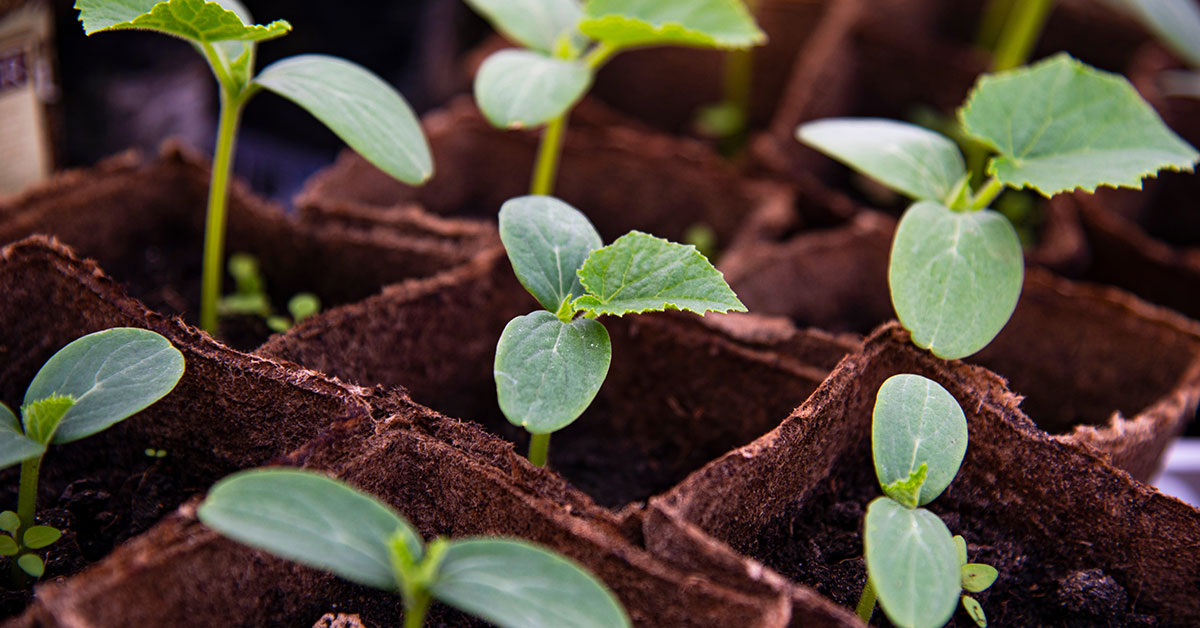
When planting cucumbers, sow the seeds about 1 inch (2.5 cm) deep and space them 12 to 24 inches (30-60 cm) apart, depending on the variety. If you’re using transplants, ensure they are hardened off before transplanting them outside.
Regular watering is crucial for cucumbers, as they require consistently moist soil. It’s recommended to water deeply and regularly, providing about 1 inch (2.5 cm) of water per week, either through rainfall or irrigation. Additionally, using mulch around the base of the plants can help retain moisture and suppress weed growth.
To support the growth of cucumber plants, consider using trellises or stakes. This not only saves space but also helps keep the fruits off the ground, reducing the risk of disease and pests.
Lastly, keep an eye out for common cucumber pests such as cucumber beetles, aphids, and spider mites. Regular monitoring and implementing appropriate pest control measures, such as using insecticidal soaps or organic insecticides, can help prevent or manage infestations.
By following these guidelines, you should be able to successfully plant cucumbers in Georgia and enjoy a bountiful harvest throughout the summer months. Happy gardening!
When to harvest cucumbers in Georgia
The optimal time to harvest cucumbers in Georgia typically falls between July and September. Cucumbers are warm-season crops and require a long growing season, usually around 50 to 70 days from planting to harvest. However, the exact timing can vary depending on the specific variety of cucumber you are growing and the weather conditions in your area.
To determine if your cucumbers are ready for harvest, you should look for the following signs:
- Size: Cucumbers are usually ready to be picked when they reach a length of 6-8 inches (15-20 cm). However, some varieties may be harvested at different sizes, so it’s important to check the recommendations for the specific variety you are growing.
- Color: Most cucumbers are harvested when they are still green in color. If they start turning yellow, it may indicate overripeness and the taste and texture may be compromised.
- Firmness: A ripe cucumber should feel firm to the touch. If it feels soft or mushy, it is likely overripe.
- Skin Texture: The skin of a ripe cucumber should be smooth and glossy. Avoid cucumbers with wrinkled or bumpy skin, as they may be past their prime.
It’s important to check your cucumber plants regularly for ripe fruits, as they can quickly become overripe if left on the vine for too long. Harvesting cucumbers regularly also encourages the plant to produce more fruit.
Remember to use sharp shears or a knife to cut the cucumber from the vine, leaving a small stem attached. Twisting or pulling the cucumber may damage the plant.
Other considerations
When growing cucumbers in Georgia, there are a few additional considerations to keep in mind:
- Heat and humidity: Georgia has a hot and humid climate, which can be challenging for cucumbers. Choose heat-tolerant cucumber varieties that can withstand summer temperatures. Providing shade or using shade cloth during the hottest parts of the day can also help protect the plants from excessive heat.
- Watering: Cucumbers require consistent moisture to thrive. In Georgia’s hot climate, it’s essential to water cucumbers regularly, ensuring the soil stays consistently moist but not waterlogged. Drip irrigation or a soaker hose is recommended to avoid wetting the foliage and minimize the risk of fungal diseases.
- Pest management: Georgia is home to various pests that can damage cucumber plants, including cucumber beetles, aphids, and squash bugs. Implementing integrated pest management practices is crucial. This includes regularly inspecting plants for signs of pests, manually removing them if possible, using organic insecticides if necessary, and implementing companion planting strategies to repel pests.
- Disease prevention: Cucumbers are susceptible to various diseases, including powdery mildew, downy mildew, and bacterial wilt. To minimize the risk of disease, ensure proper air circulation around the plants by spacing them adequately. Avoid overhead watering, as wet foliage can promote the development of fungal diseases. Applying fungicides labeled for cucumbers at the first signs of disease can help prevent further spread.
- Support and trellising: Cucumbers can benefit from trellising or support structures in Georgia. Vertical growing can save space, improve air circulation, and make harvesting easier. It can also help keep the fruits off the ground, reducing the risk of rot and pest damage.
- Timing: It’s important to plant cucumbers at the right time in Georgia to avoid the most extreme heat of summer. Start seeds indoors or transplant seedlings outdoors when the soil has warmed up in late spring. Additionally, consider succession planting to ensure a continuous harvest throughout the growing season.
By considering these factors, you can increase your chances of successfully growing cucumbers in Georgia’s climate.