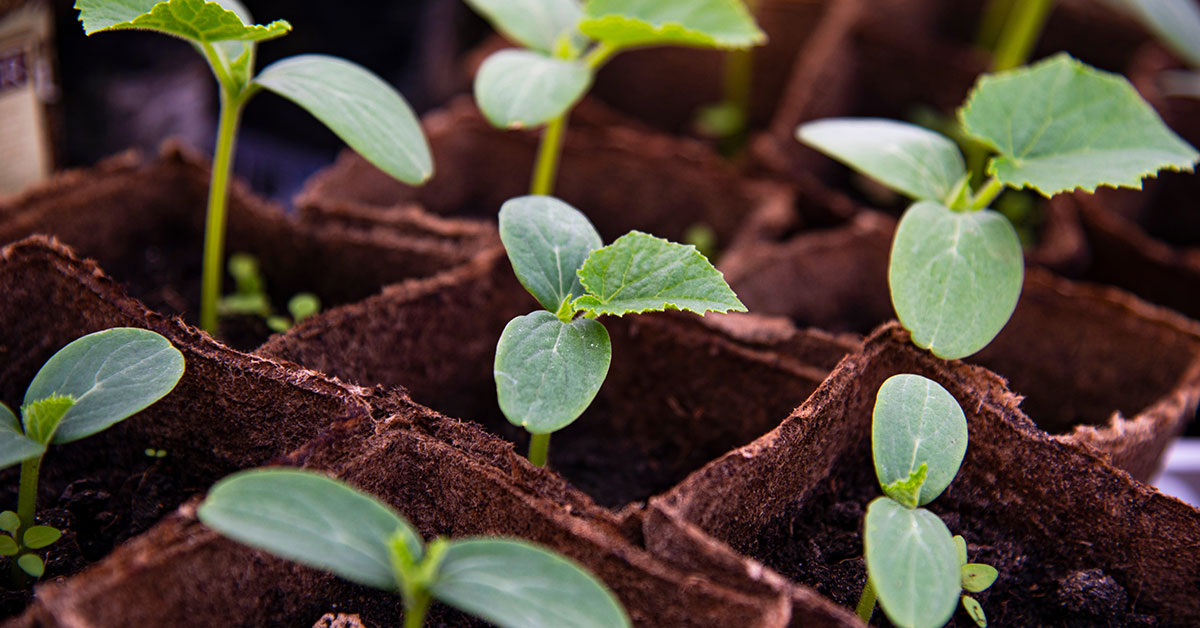

Cucumbers are a refreshing and versatile addition to any garden in Florida. Fortunately, Florida’s warm and sunny climate provides an ideal environment for their growth.
However, timing is everything when it comes to planting cucumbers, as they have specific temperature requirements for germination and optimal growth.
We will discuss the best time to plant cucumbers in Florida, taking into consideration the state’s unique weather patterns and offering valuable tips to ensure a successful harvest.
What are good varieties for Cucumbers in Florida?
In Florida, there are several cucumber varieties that do well in the warm and humid climate. Here are some good options:
- ‘Marketmore 76’: This is a popular variety for home gardeners in Florida. It produces dark green, straight cucumbers that are about 8-9 inches long. ‘Marketmore 76’ is known for its disease resistance and good flavor.
- ‘Poinsett 76’: Another excellent choice for Florida gardens, ‘Poinsett 76’ is a high-yielding cucumber variety. It produces medium-sized, dark green cucumbers that are about 6-8 inches long. This variety is also resistant to common cucumber diseases.
- ‘Diva’: ‘Diva’ is a hybrid cucumber variety that performs well in Florida’s climate. It produces smooth, thin-skinned cucumbers that have a mild and sweet flavor. The plants are resistant to powdery mildew and other diseases.
- ‘Straight Eight’: This heirloom variety is favored for its straight, uniform shape and excellent flavor. ‘Straight Eight’ cucumbers grow about 6-8 inches long and have a dark green skin. It is a reliable choice for Florida gardeners.
- ‘Summer Dance’: This newer hybrid variety is known for its disease resistance and high productivity. ‘Summer Dance’ cucumbers are crisp and flavorful, with a dark green skin. They can be harvested when they reach 7-8 inches in length.
Remember to provide your cucumbers with ample sun, regular watering, and well-draining soil. Also, consider planting them on trellises or using supports to save space and improve air circulation, which helps prevent disease.
When to plant Cucumbers in Florida
In Florida, the hardiness zones range from 8a to 11a, depending on the region. These zones are determined based on the average minimum temperatures experienced throughout the year. It is important for gardeners to be aware of their specific hardiness zone as it helps in selecting plants that can survive the local climate conditions.
When it comes to planting cucumbers in Florida, the ideal time varies slightly depending on the specific zone. However, generally speaking, the best time to plant cucumbers in Florida is during the spring season. This allows the plants to establish themselves before the intense heat of summer arrives.
For gardeners residing in the northern regions of Florida, such as zones 8a and 8b, it is recommended to start planting cucumbers in late February or early March. These areas have a longer growing season compared to the southern parts of the state. Gardeners in zones 9a and 9b, which include central and southern Florida, can begin planting cucumbers as early as mid-February or early March.
It is important to note that cucumbers are warm-weather crops and require temperatures consistently above 60°F (15°C) to thrive. In Florida, the temperatures usually meet this requirement by late winter or early spring. Planting cucumbers too early, when the soil is still cold or temperatures frequently drop below 60°F (15°C), can lead to stunted growth or even plant death.
To ensure successful cucumber planting, it is advisable to start the seeds indoors about 3-4 weeks before the intended planting date. This allows the young seedlings to develop a strong root system before being transplanted into the garden. Once the danger of frost has passed and the soil has warmed up, the seedlings can be transplanted into the garden.
To optimize cucumber growth, choose a sunny spot in the garden with well-drained soil. Cucumbers require regular watering, especially during dry periods, so ensure that the plants receive adequate moisture. Mulching around the base of the plants can help conserve soil moisture and suppress weed growth.
By following these guidelines and considering your specific hardiness zone, you can successfully grow cucumbers in Florida and enjoy a bountiful harvest.
When to harvest cucumbers in Florida
In Florida, the optimal time to harvest cucumbers is typically in the early morning or late afternoon when the temperatures are cooler. Cucumbers are usually ready for harvest around 50-70 days after planting, depending on the variety. It is important to check the specific variety you are growing for the recommended days to maturity.
When harvesting cucumbers, look for firm cucumbers that are bright green in color. They should be about 6-8 inches long, depending on the variety. Avoid harvesting cucumbers that are yellow or have a dull appearance, as they may be overripe and have a bitter taste.
It’s essential to harvest cucumbers regularly to encourage more fruit production. Leaving overripe cucumbers on the vine can hinder the growth of new cucumbers. Remember to use a pair of sharp pruning shears or scissors to cut the cucumbers from the vine to avoid damaging the plant.
Other considerations
When growing cucumbers in Florida, there are several additional considerations to keep in mind:
- Heat tolerance: Cucumbers thrive in warm weather, but Florida’s high temperatures can sometimes be extreme. Choose cucumber varieties that are known for their heat tolerance. Additionally, consider providing shade or using shade cloth to protect the plants from intense sun.
- Watering: Florida’s climate is characterized by high humidity, but it’s still important to provide cucumbers with consistent moisture. Keep the soil evenly moist, but avoid overwatering as this can lead to fungal diseases. Using drip irrigation or a soaker hose can help maintain optimal moisture levels.
- Pests and diseases: Florida is home to a wide range of pests and diseases that can affect cucumber plants. Common pests include aphids, cucumber beetles, and spider mites. Regularly inspect your plants for signs of infestation and take appropriate measures, such as using insecticidal soaps or natural predators like ladybugs. Fungal diseases like powdery mildew can also be a concern, so ensure good air circulation and consider using fungicides if necessary.
- Soil quality: Florida’s sandy soils tend to drain quickly and may lack essential nutrients. Amend the soil with organic matter like compost or well-rotted manure to improve its water-holding capacity and nutrient content. Conduct a soil test to determine if any additional amendments are needed, such as lime to adjust pH levels.
- Timing: In Florida, the growing season for cucumbers can be extended, allowing for multiple plantings throughout the year. However, it’s important to choose the right time to plant based on the specific variety you’re growing and the expected weather conditions. Consult a local extension office or gardening resource for recommended planting dates.
- Trellising: Due to Florida’s hot and humid climate, cucumber vines can be more prone to diseases when left to sprawl on the ground. Consider trellising or providing support for your cucumber plants to keep the foliage off the ground, improve air circulation, and reduce pest and disease problems.
- Pollination: Cucumbers require proper pollination to develop fruit. In Florida, high temperatures can affect pollinator activity, so consider hand-pollinating if necessary. Gently transfer pollen from male flowers to female flowers using a small brush or cotton swab.
By considering these factors, you can increase your chances of successfully growing cucumbers in Florida’s unique climate.