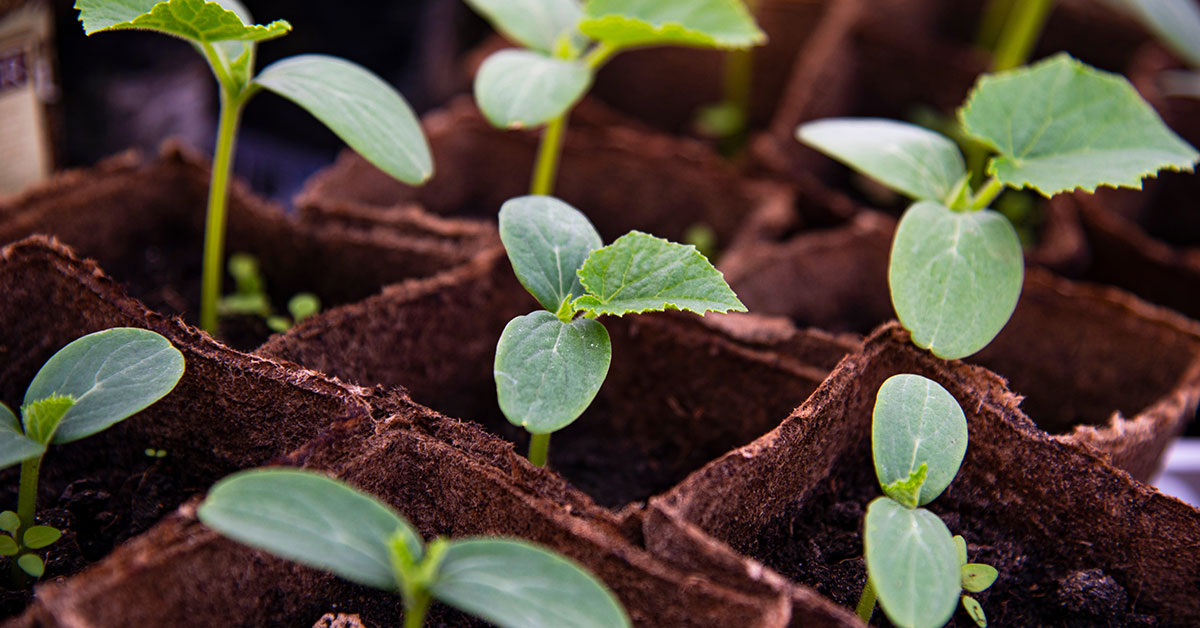

The best time to plant cucumbers in the state of Delaware is important to know before starting your garden. Cucumbers are warm-season vegetables, and their success greatly depends on proper timing. By understanding the local climate and following the recommended planting guidelines, you can ensure a bountiful cucumber harvest.
We will talk about the ideal planting window, considering both the average frost dates and the specific requirements of cucumber plants.
Best varieties of cucumber to grow in Delaware
In Delaware, some good varieties of cucumbers that are well-suited for the region include:
- ‘Marketmore 76’: This is a popular variety known for its dark green, straight fruits. It is disease-resistant and performs well in both open field and greenhouse settings.
- ‘Straight Eight’: Another reliable choice, ‘Straight Eight’ produces uniform, straight cucumbers that are great for slicing. It is a vigorous grower and has excellent disease resistance.
- ‘Lemon’: This unique variety produces small, round, and yellow cucumbers that resemble lemons. They have a mild flavor and are perfect for pickling or fresh eating.
- ‘Bush Champion’: If you have limited space, ‘Bush Champion’ is a compact variety that works well in containers or small gardens. It produces good yields of medium-sized cucumbers and requires minimal trellising.
- ‘Japanese Long’: Also known as ‘Suyo Long’, this variety produces long, slender cucumbers with a crisp texture. It is heat-tolerant and has a mild, sweet flavor.
Remember to choose disease-resistant varieties whenever possible to ensure a successful harvest. Additionally, consider your specific growing conditions. Such as available sunlight and space, to determine which cucumber variety will work best for your garden.
When to plant Cucumbers in Delaware
Delaware, like other states in the United States, has its own hardiness zones that indicate the average minimum temperature range in different regions. These zones play a crucial role in determining the appropriate time to plant various crops, including cucumbers.
Delaware falls within USDA hardiness zones 6a and 7a. Zone 6a covers the northern part of the state, including cities like Wilmington, while zone 7a encompasses the southern region, including cities like Dover and Rehoboth Beach.
When it comes to planting cucumbers in Delaware, it is important to consider both the average last frost date in spring and the average first frost date in fall. These dates vary slightly depending on the specific zone within the state.
In zone 6a, the average last frost date typically falls around April 15th, and the average first frost date is around October 15th. In zone 7a, the average last frost date occurs around April 1st, and the average first frost date is around November 1st.
Based on these dates, the best time to plant cucumbers in Delaware is generally after the last frost date in spring. Cucumbers are warm-season crops that thrive in temperatures between 70°F and 95°F (21°C to 35°C), so it is essential to ensure the soil has warmed up adequately before planting.
To get a head start, you can start cucumber seeds indoors about 3-4 weeks before the last frost date. Transplant the seedlings outdoors once the soil has warmed up, which is typically around mid to late May in zone 6a and early May in zone 7a.
If you prefer to directly sow cucumber seeds in the garden, it is best to wait until after the last frost date. You can sow the seeds directly into well-prepared soil in late April or early May in zone 6a and around mid-April in zone 7a.
Remember to provide your cucumber plants with proper support, such as trellises or cages, as they are vining plants. Additionally, ensure they receive adequate sunlight, water, and nutrients throughout the growing season.
When to harvest Cucumbers in Delaware
The optimal time to harvest cucumbers in Delaware is typically when they reach a length of about 6-8 inches and have a bright green color. This usually occurs around 50-70 days after planting, depending on the variety of cucumber you are growing. It’s important to regularly check your cucumber plants for mature fruits. Leaving them on the vine for too long can result in overripe cucumbers that are bitter and less flavorful. Harvesting cucumbers regularly also promotes continued production throughout the growing season.
Other considerations before growing
When growing cucumbers in Delaware, there are a few additional considerations to keep in mind:
- Soil requirements: Cucumbers prefer well-drained, loamy soil with a pH level between 6.0 and 7.0. It is important to prepare the soil before planting by incorporating organic matter. Such as compost or aged manure to improve nutrient content and moisture retention.
- Sunlight: Cucumbers require full sun exposure for at least 6-8 hours a day. Choose a sunny location in your garden that receives ample sunlight throughout the day.
- Temperature and season: Cucumbers are warm-season vegetables and thrive in temperatures between 70-90°F (21-32°C). Make sure to plant them after the threat of frost has passed, typically in late spring. To extend the growing season, you can use row covers or plastic tunnels to protect the plants from cool temperatures in early spring or extend the harvest into the fall.
- Watering: Cucumbers need consistent moisture to produce healthy and tasty fruits. Adequate watering is essential, especially during periods of dry weather. Aim to provide about 1 inch of water per week, either through rainfall or supplemental irrigation. Avoid overwatering, as it can lead to disease issues like root rot.
- Trellising: Cucumbers are climbing vines, and trellising them can help save space, improve air circulation, and keep the fruits off the ground, reducing the risk of diseases and pest damage. Install a trellis or provide stakes for the cucumber plants to climb as they grow.
- Pollination: Cucumbers require pollination to set fruit. Bees and other pollinators play a crucial role in this process. Encourage pollinators to visit your garden by planting flowers that attract them nearby, such as marigolds or bee balm.
- Pest and disease management: Keep an eye out for common cucumber pests like cucumber beetles, aphids, and powdery mildew. Regularly inspect your plants for signs of damage or disease. Take appropriate measures such as using organic pest control methods or applying fungicides if necessary.
- Harvesting: Harvest cucumbers when they reach the desired size, typically 6-8 inches long for slicing varieties and 3-5 inches for pickling cucumbers. Regularly picking cucumbers promotes continuous production and prevents the fruits from becoming overripe and bitter.
By considering these factors, you can increase your chances of a successful cucumber harvest in Delaware. Happy gardening!