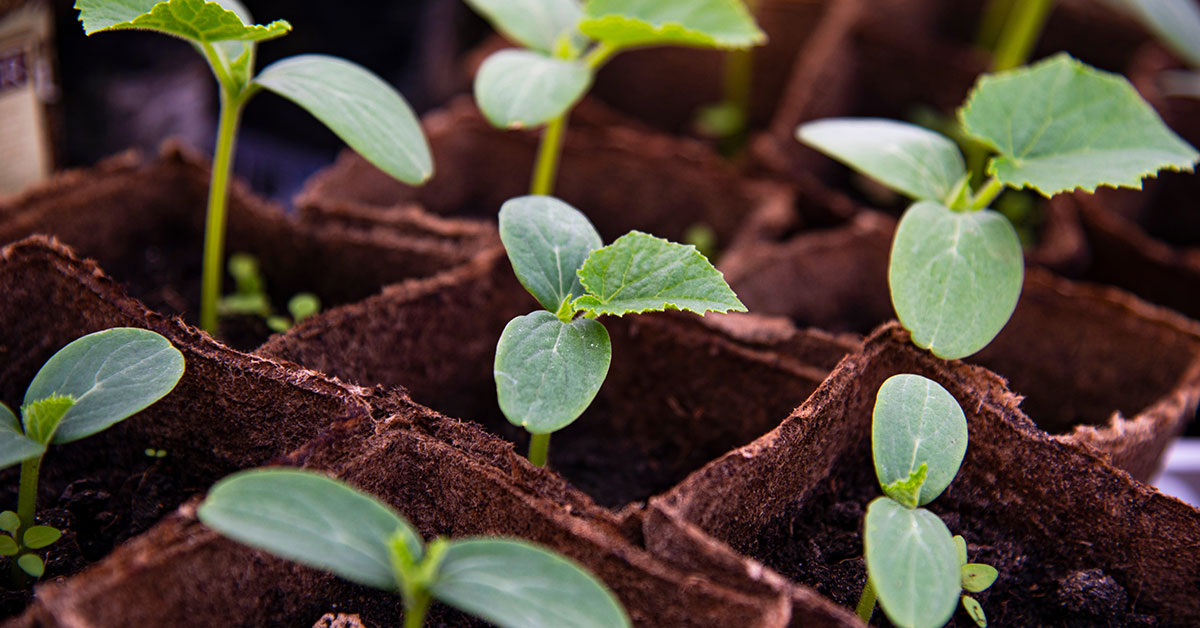

The importance of timing when it comes to planting cucumbers in Colorado is one of many keys to success in the garden. The best time to plant cucumbers in this region is a crucial factor that can greatly influence the success of your crop.
We will guide you through the optimal timeframes for planting cucumbers in Colorado, taking into consideration the average last frost date, soil temperature, and other essential factors.
Best varieties of Cucumbers for Colorado gardens
In Colorado, it is important to choose cucumber varieties that are well-suited to the region’s shorter growing season and cooler temperatures. Here are a few cucumber varieties that tend to perform well in Colorado:
- Marketmore 76: This variety is a reliable choice for Colorado gardeners. It produces dark green, straight cucumbers with a crisp texture. It is resistant to common cucumber diseases.
- Straight Eight: Straight Eight cucumbers are known for their uniform shape and excellent flavor. They are productive and can tolerate cooler temperatures, making them a good choice for Colorado gardens.
- Armenian Cucumber: Although technically a melon, Armenian cucumbers are often grown and used like cucumbers. They have a mild, refreshing flavor and can tolerate a wide range of temperatures. They are also known for their long, slender shape.
- Bush Champion: If you have limited space or prefer to grow cucumbers in containers, Bush Champion is a compact variety that works well. It produces a high yield of crisp, dark green cucumbers on bushy plants.
- Lemon Cucumber: Lemon cucumbers are small, round cucumbers that resemble lemons in shape and color. They have a mild, slightly sweet flavor and are excellent for fresh eating or pickling.
Remember to provide your cucumbers with adequate sunlight, water, and support for vertical growth. Additionally, it’s always a good idea to check with local nurseries or extension services for varieties specifically recommended for your area.
When to plant Cucumbers in Colorado
Colorado, like any other state, has its own unique hardiness zones that determine which plants are most likely to thrive in its climate. The hardiness zones in Colorado range from Zone 3 to Zone 7, with Zone 3 being the coldest and Zone 7 being the mildest.
When it comes to planting cucumbers in Colorado, it is essential to consider the local climate and the specific hardiness zone of your area. Cucumbers are warm-season vegetables that require a relatively long growing season with warm temperatures to thrive.
In Colorado, the best time to plant cucumbers varies depending on the specific zone:
- Zones 3 to 5: These zones experience shorter growing seasons and colder temperatures. It is recommended to start cucumbers indoors 3-4 weeks before the last frost date. Transplant the seedlings outdoors once the danger of frost has passed, typically around late May or early June.
- Zones 6 to 7: These zones have longer growing seasons and milder temperatures. Cucumbers can be directly sown outdoors once the soil temperature reaches around 60°F (15°C) and all danger of frost is gone. This typically occurs in late April or early May.
Regardless of your zone, cucumbers prefer warm soil and air temperatures. It is crucial to ensure that the soil has warmed up sufficiently before planting to encourage healthy growth.
When choosing cucumber varieties for Colorado, consider selecting those with shorter maturity times to maximize the growing season. Additionally, providing them with proper support, such as trellises or cages, will help optimize space and airflow while reducing the risk of disease.
Remember to water your cucumbers consistently, as they require adequate moisture to thrive. Mulching around the plants can help retain soil moisture and reduce weed competition.
Lastly, ensure your cucumbers receive at least 6-8 hours of direct sunlight daily for optimal growth and fruit production.
By following these guidelines and considering your specific hardiness zone, you can increase your chances of successfully growing cucumbers in Colorado. Happy gardening!
When to harvest cucumbers in Colorado
The optimal time to harvest cucumbers in Colorado is typically in the late summer, around 55-65 days after planting. This usually falls between late July and early September. However, it is important to monitor the plants closely as individual varieties may have specific harvest times.
To determine if a cucumber is ready to be harvested, check for firmness, bright color, and a size that is appropriate for the variety you are growing. Additionally, cucumbers are best harvested early in the morning when temperatures are cooler to ensure optimal flavor and texture.
Other considerations
When growing cucumbers in Colorado, there are a few additional considerations to keep in mind due to the unique climate and conditions of the region. Here are some tips to help you have a successful cucumber harvest:
- Choosing the right variety: Select cucumber varieties that are known to thrive in shorter growing seasons and cooler climates. Look for varieties that have a shorter time to maturity, typically around 50-60 days.
- Start seeds indoors: Due to Colorado’s shorter growing season, it is beneficial to start cucumber seeds indoors 3-4 weeks before the last frost date. This will give the plants a head start and allow them to mature before the weather turns cold again.
- Transplant carefully: When transplanting cucumber seedlings outdoors, make sure to harden them off first. Gradually acclimate the plants to outdoor conditions by exposing them to increasing amounts of sunlight and outdoor temperatures over the course of a week.
- Provide adequate sunlight: Cucumbers require at least 6-8 hours of direct sunlight each day to thrive. Choose a location in your garden that receives maximum sunlight exposure.
- Soil preparation and drainage: Cucumbers prefer well-draining soil with a pH level between 6.0 and 7.0. Amend the soil with organic matter, such as compost or well-rotted manure, to improve its fertility and drainage.
- Mulching: Mulch around the cucumber plants to help conserve moisture, regulate soil temperature, and suppress weed growth. Organic mulches like straw or shredded leaves work well.
- Watering: Cucumbers have high water requirements, especially during hot, dry periods. Water deeply and consistently to keep the soil evenly moist, but avoid overwatering as it can lead to root rot. Using drip irrigation or soaker hoses can help deliver water directly to the plant roots while minimizing evaporation.
- Trellising: Consider using trellises or stakes to support your cucumber plants. This will help keep the vines off the ground, improve air circulation, and prevent diseases.
- Pest and disease management: Monitor your cucumber plants regularly for common pests like cucumber beetles, aphids, and powdery mildew. Use organic pest control methods or consult with your local extension office for recommendations on managing specific pests and diseases in your area.
- Harvesting: Harvest cucumbers when they reach the desired size, typically 6-8 inches long for slicing varieties. Regularly harvesting mature cucumbers will encourage the plant to continue producing throughout the season.
By considering these factors and implementing appropriate strategies, you can increase your chances of successfully growing cucumbers in Colorado. Happy gardening!