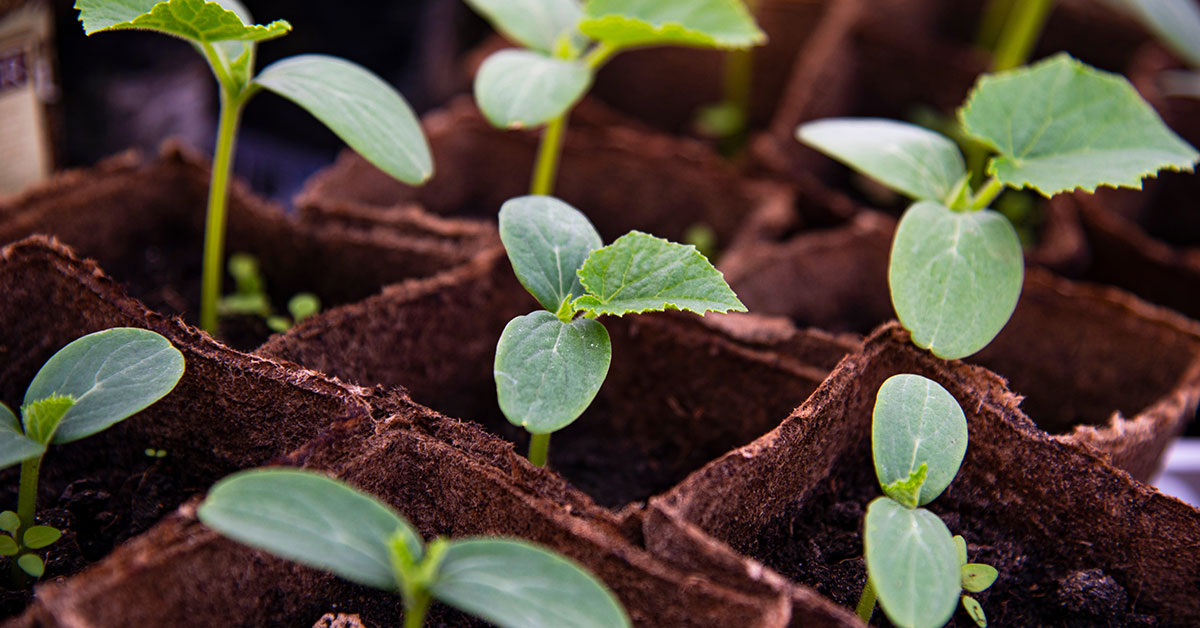

Knowing the best time to plant cucumbers in California is key. The diverse climate and growing regions offer a unique advantage for gardeners.
This article will guide you through the optimal planting times, soil preparation, and other essential tips to ensure a bountiful cucumber harvest in California.
Best cucumber varieties to grow in California
In California, there are several cucumber varieties that can thrive in the climate. Here are some popular choices:
- Armenian Cucumber: Also known as the yard-long cucumber, this variety is heat-tolerant and has a mild, sweet flavor. It can grow up to 36 inches in length and is great for slicing or pickling.
- Lemon Cucumber: This variety produces small, round cucumbers that resemble lemons. They have a mild, slightly sweet flavor and are perfect for salads or pickling.
- Persian Cucumber: These cucumbers are small, seedless, and have a thin skin that doesn’t need to be peeled. They are crisp and have a mild, refreshing taste, making them great for snacking or adding to salads.
- English Cucumber: Also known as burpless or seedless cucumbers, these are long and slim with a thin, tender skin. They have a mild, crisp taste and are often used in sandwiches or salads.
- Suyo Long Cucumber: This Asian variety is long and slender, with a dark green, ribbed skin. It has a crisp texture and a refreshing, slightly sweet flavor. It is great for slicing or pickling.
Remember to consider your specific growing conditions, such as sun exposure and soil quality, when selecting cucumber varieties for your garden.
When to plant Cucumbers in California
In California, the state’s hardiness zones vary across different regions due to its diverse climate. The United States Department of Agriculture (USDA) has divided California into several zones ranging from 5 to 10, based on the average minimum winter temperatures.
In general, the coastal areas of California, including regions such as San Francisco and Los Angeles, fall within the USDA hardiness zones 9 to 10. These areas have mild winters and long growing seasons. Inland areas, such as the Central Valley and parts of Southern California, are typically classified as zones 8 to 9, experiencing slightly colder winters.
Considering the best time to plant cucumbers in California, it is essential to take into account both the hardiness zones and the average frost dates. Cucumbers are warm-season crops that thrive in temperatures between 70°F to 95°F (21°C to 35°C). They are highly sensitive to frost and should not be exposed to temperatures below 50°F (10°C).
For coastal areas with zones 9 to 10, the best time to plant cucumbers is typically from early spring to late summer. You can start sowing cucumber seeds directly in the garden around mid-March to April, as the soil begins to warm up. If you prefer to start with transplants, you can begin planting them in late April or early May.
Inland areas with zones 8 to 9 have a slightly shorter growing season due to colder winters. It is advisable to wait until late spring, around mid-May, to plant cucumbers directly in the garden. Starting seeds indoors or in a greenhouse around late April can also be a good option to get a head start on the growing season.
To ensure successful cucumber cultivation, it is crucial to provide them with well-draining soil, ample sunlight, and regular watering. Cucumbers are vining plants that require space to spread, so providing trellises or vertical supports can be beneficial.
Remember to check the specific hardiness zone of your location within California and consider microclimates that may exist due to regional variations. Additionally, local gardening resources and nurseries can provide valuable information tailored to your specific area for more accurate planting times and advice.
When to harvest cucumbers in California
The optimal time to harvest cucumbers in California is typically between 50 to 70 days after planting, depending on the cucumber variety. It’s important to check the specific seed packet or plant tag for the estimated days to maturity. Additionally, cucumbers are usually ready to harvest when they reach a length of 6 to 8 inches and have a firm texture. Regularly inspect your plants and pick the cucumbers as soon as they reach the desired size to ensure they are at their peak flavor and texture.
Other considerations
When growing cucumbers in California, there are several other considerations to keep in mind:
- Sunlight: Cucumbers require full sun exposure for optimal growth and fruit production. Ensure that your chosen location receives at least 6-8 hours of direct sunlight each day.
- Soil: Cucumbers prefer well-drained, fertile soil with a pH level between 6.0 and 7.0. Before planting, amend the soil with organic matter such as compost or aged manure to improve its nutrient content and drainage.
- Watering: Cucumbers have high water requirements, especially during hot California summers. Ensure that the soil is consistently moist but not waterlogged. Using a soaker hose or drip irrigation system can help deliver water directly to the plants’ root zone and minimize evaporation.
- Mulching: Apply a layer of organic mulch, such as straw or wood chips, around the base of cucumber plants to help retain moisture, suppress weeds, and regulate soil temperature.
- Trellising: Consider trellising or supporting cucumber plants to save space and improve air circulation. This practice can help prevent diseases and ensure straighter fruits. Install trellises or stakes at the time of planting to avoid damaging the roots later.
- Pest and Disease Management: Cucumbers are susceptible to various pests and diseases, such as aphids, cucumber beetles, powdery mildew, and downy mildew. Monitor your plants regularly for any signs of damage or infestation and take appropriate measures, such as using organic insecticides or fungicides if necessary.
- Harvesting: Regularly harvest cucumbers when they reach the desired size, typically 6-8 inches long. Leaving overripe or oversized cucumbers on the vine can reduce the plant’s productivity.
- Succession Planting: Consider staggering your cucumber plantings throughout the growing season to ensure a continuous harvest. This can help extend the availability of fresh cucumbers in your garden.
By considering these factors, you can increase your chances of successfully growing cucumbers in California’s climate.