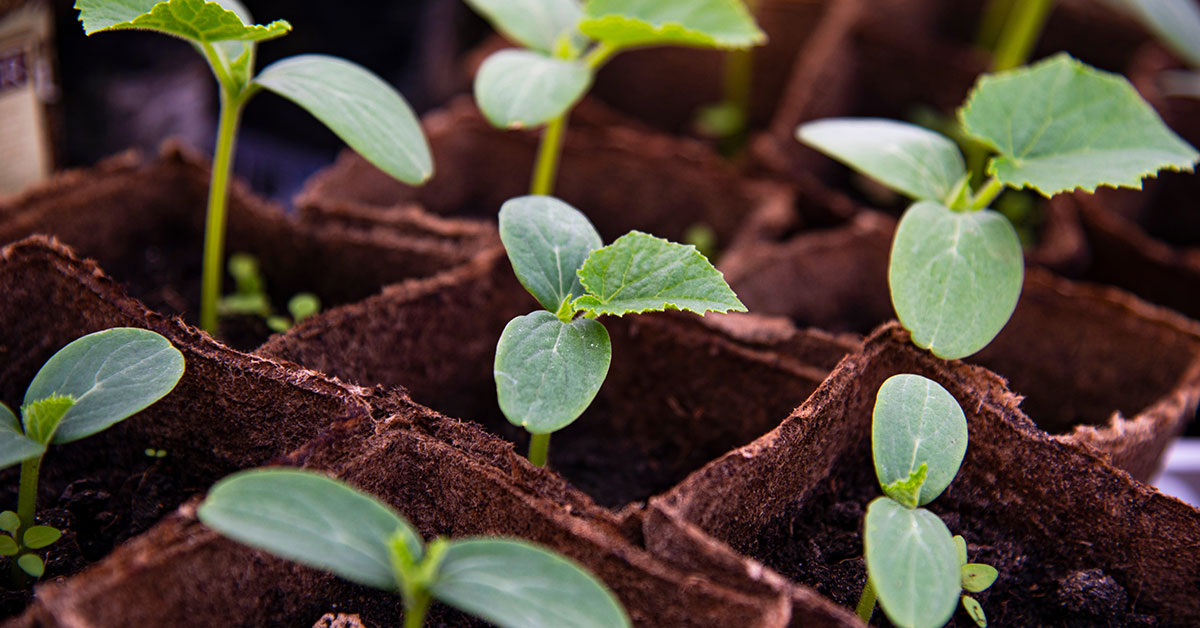

Learning the importance of timing when it comes to planting cucumbers in Alabama is one of the many keys to success in the garden. Taking into consideration the state’s unique climate and weather patterns.
Whether you’re a seasoned gardener or a novice, this guide will provide you with all the information you need to ensure a successful cucumber harvest in the Heart of Dixie.
Best cucumber varieties for Alabama gardens
In Alabama, there are several cucumber varieties that perform well in the warm climate. Here are a few recommended varieties:
- Marketmore 76: This is a popular variety known for its disease resistance and high yield. It produces dark green, straight cucumbers that are perfect for slicing.
- Straight Eight: Another excellent choice for Alabama gardens, Straight Eight cucumbers are known for their uniform shape, crispy texture, and mild flavor. They are great for fresh eating and pickling.
- Armenian Cucumber: Also known as “Snake” or “Long” cucumber, this variety is popular for its unique, long and curved shape. Armenian cucumbers have a sweet and mild flavor, making them an interesting addition to salads or as a refreshing snack.
- Diva: Diva cucumbers are known for their resistance to common cucumber diseases, including powdery mildew. They have a thin skin, are seedless, and have a sweet flavor. They are perfect for salads or eating fresh.
- Boston Pickling: If you’re looking to make pickles, this variety is a great choice. Boston Pickling cucumbers are small, blocky, and have a crisp texture. They are also known for their high yield.
Remember, it’s always a good idea to check with your local nursery or agricultural extension office for specific varieties that are well-suited to your particular area in Alabama.
When to plant Cucumbers in Alabama
In Alabama, the state is divided into different hardiness zones based on the average annual minimum winter temperature. These zones help gardeners determine the suitability of specific plants for their region. Alabama is primarily divided into zones 7a, 7b, 8a, and 8b.
- Zone 7a is characterized by minimum temperatures ranging from 0 to 5 degrees Fahrenheit (-17.8 to -15 degrees Celsius).
- Compared to Zone 7b, it experiences slightly milder winters, with minimum temperatures ranging from 5 to 10 degrees Fahrenheit (-15 to -12.2 degrees Celsius).
- Zone 8a has minimum temperatures ranging from 10 to 15 degrees Fahrenheit (-12.2 to -9.4 degrees Celsius).
- While zone 8b has minimum temperatures ranging from 15 to 20 degrees Fahrenheit (-9.4 to -6.7 degrees Celsius).
When it comes to planting cucumbers in Alabama, it is important to consider both the average last frost date in spring and the average first frost date in fall. Cucumbers are warm-season vegetables that thrive in temperatures between 70 and 95 degrees Fahrenheit (21 to 35 degrees Celsius).
In general, the best time to plant cucumbers in Alabama is after the last frost date in spring, when the soil has warmed up and the danger of frost has passed. In most regions of Alabama, this falls between mid-April and early May. However, it’s always a good idea to consult the specific frost dates for your zone and local weather conditions for more accurate timing.
To give cucumbers a head start, you can start them indoors 3-4 weeks before the last frost date and transplant them outdoors once the soil has warmed up. Cucumbers prefer well-drained soil, full sun exposure, and regular watering to ensure healthy growth.
It’s also worth noting that cucumbers are sensitive to cold temperatures and cannot tolerate frost. Therefore, it is important to harvest them before the first frost in fall, which usually occurs around late October to early November in Alabama.
When to harvest cucumbers in Alabama
In Alabama, the optimal time to harvest cucumbers is typically from late May to early July. However, the exact timing can vary based on the specific cucumber variety you are growing and the weather conditions in your area.
Cucumbers are ready for harvest when they reach their mature size and have a firm texture and vibrant green color. It’s important to regularly check your plants for ripe cucumbers as they can quickly become overripe and lose their taste and texture.
Additionally, it’s recommended to harvest cucumbers early in the morning when temperatures are cooler to minimize heat stress and ensure the best quality. Using a sharp knife or pruners, gently cut the cucumber from the vine, leaving a small stem attached.
Remember to harvest cucumbers regularly to encourage continued fruit production. Leaving overripe cucumbers on the vine can signal the plant to stop producing new fruits.
Other considerations
When growing cucumbers in Alabama, there are several considerations to keep in mind:
- Heat and Sunlight: Cucumbers thrive in warm temperatures and require at least 6-8 hours of direct sunlight each day. Alabama’s hot climate is generally favorable for cucumber growth, but you may need to provide some shade during peak summer months to prevent the plants from scorching.
- Watering: Adequate watering is crucial for cucumber plants. They have shallow roots, so regular watering is necessary to keep the soil consistently moist but not waterlogged. In Alabama’s hot climate, you may need to water more frequently, especially during dry spells.
- Soil Preparation: Cucumbers prefer well-draining soil with a pH level between 6.0 and 7.0. Before planting, amend the soil with organic matter like compost to improve drainage and fertility. Conduct a soil test to determine if any additional amendments, such as lime or sulfur, are needed to adjust the pH level.
- Trellising or Support: Cucumber vines can be quite sprawling, so providing a trellis or support system is beneficial. It helps maximize space, improves air circulation around the plants, and keeps the cucumbers off the ground. This helps reduce the risk of diseases and pests.
- Pest and Disease Management: Cucumber plants are susceptible to various pests and diseases, including cucumber beetles, aphids, powdery mildew, and downy mildew. Regularly inspect your plants for signs of infestation or disease and take appropriate measures to control them, such as using organic pesticides or applying preventive measures like crop rotation.
- Pollination: Cucumbers rely on pollination to develop fruit. While many cucumber varieties are self-pollinating, providing access to pollinators like bees can significantly increase fruit production. Consider planting pollinator-friendly flowers nearby to attract bees and other beneficial insects.
- Proper Harvesting: Harvest cucumbers when they reach the desired size and color. Regularly picking mature cucumbers encourages continuous production and prevents the fruits from becoming overly mature and bitter. Leaving overripe cucumbers on the vine can also reduce the plant’s productivity.
- Successive Planting: To extend your cucumber harvest, consider planting new cucumber seeds or seedlings every few weeks. This staggered planting approach ensures a continuous supply of fresh cucumbers throughout the growing season.
By considering these factors and providing proper care, you can enjoy a bountiful cucumber harvest in Alabama.