
Knowing the best time to plant cucumbers in Washington is crucial to know if you’re planning on gardening in this state. With its diverse climate and varying growing conditions, knowing the optimal timing for planting cucumbers can greatly increase your chances of a successful harvest.
We will talk about the different regions of Washington and their specific planting windows, factors to consider when choosing the right time, and some helpful tips to ensure your cucumber plants thrive in this unique and picturesque state.
Best varieties of Cucumbers for Washington
In Washington, there are several cucumber varieties that thrive in the local climate. Here are some good options:
- Marketmore 76: This variety is a popular choice for Washington gardeners. It produces long, dark green cucumbers that are excellent for slicing and have a delicious flavor.
- Diva: Diva cucumbers are known for their resistance to powdery mildew, a common problem in humid climates. They are crisp, juicy, and have a thin skin, making them perfect for fresh eating.
- Armenian: Also known as “Snake” or “Yard-Long” cucumbers, Armenian cucumbers have a unique shape and mild flavor. They are heat tolerant and produce long, slender fruits that are great for salads or pickling.
- Lemon cucumbers: If you’re looking for something different, lemon cucumbers are a fun choice. They are small, round, and yellow, resembling lemons. They have a mild, sweet flavor and are great for eating fresh or pickling.
- Bush Champion: This compact variety is perfect for small gardens or containers. It produces high yields of tasty cucumbers on bushy, space-saving plants.
Remember to consider factors such as disease resistance, space availability, and personal preferences when choosing cucumber varieties for your garden.
When to plant Cucumbers in Washington
In Washington, the state’s hardiness zones range from zone 4b in the northeastern areas to zone 9a in the southwestern regions. These zones are determined based on the average minimum winter temperatures and help gardeners understand which plants are most likely to thrive in their specific region.
When it comes to planting cucumbers in Washington, it’s essential to consider both the hardiness zone and the local climate. Cucumbers are warm-season vegetables that require a frost-free growing season to thrive. The best time to plant cucumbers in Washington is typically in late spring or early summer when the soil has warmed up and all danger of frost has passed.
In the western parts of Washington, which fall under zones 8a to 9a, cucumbers can be directly sown into the ground in late April to early June. These regions have milder winters and longer growing seasons, making it possible to start planting cucumbers earlier.
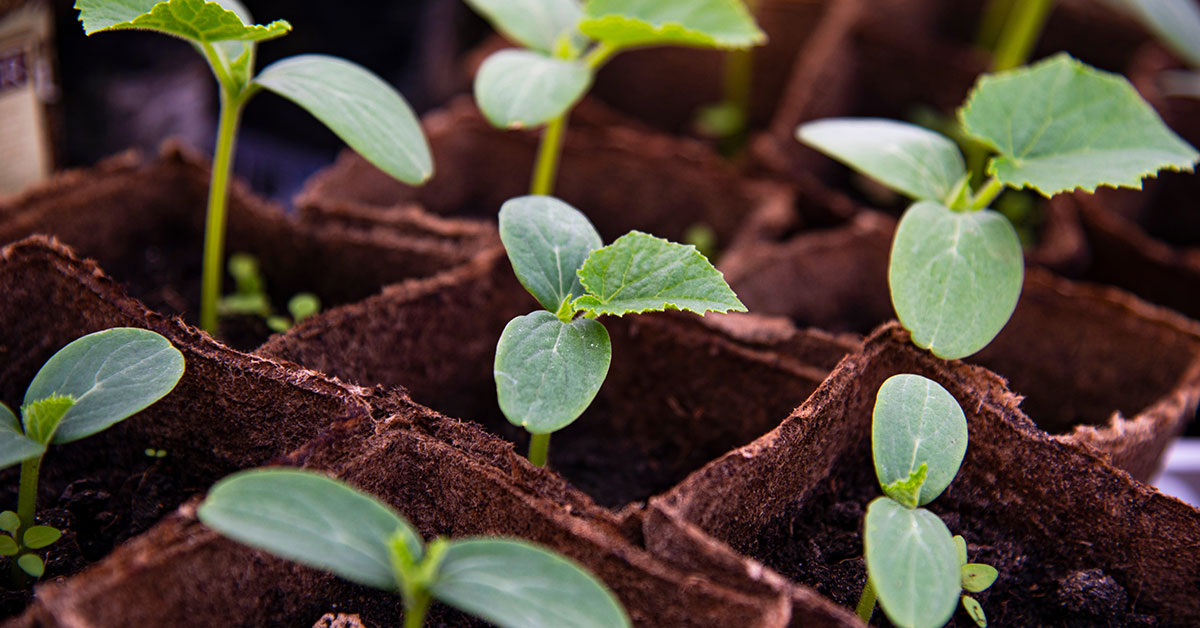
For the central and eastern parts of Washington, which fall under zones 4b to 7b, the growing season is relatively shorter due to harsher winters. In these areas, it is recommended to start cucumbers indoors from seeds about 2 to 3 weeks before the last expected frost date, which is typically in late April to early May. Once the danger of frost has passed, the seedlings can be transplanted into the garden.
When planting cucumbers, it is crucial to provide them with full sun exposure, well-draining soil, and plenty of water. Cucumbers are heavy feeders, so incorporating organic matter into the soil and providing regular fertilization will promote vigorous growth and increase yields.
In conclusion, the best time to plant cucumbers in Washington varies depending on the specific hardiness zone. However, as a general guideline, late spring or early summer, when the soil has warmed up and all risk of frost has passed, is the ideal time for planting cucumbers in this state.
When to harvest Cucumbers in Washington
The optimal time to harvest cucumbers in Washington depends on the variety you are growing and the specific growing conditions. However, in general, cucumbers should be harvested when they are still firm and have reached their mature size. For most varieties, this is typically around 55-65 days after planting.
To determine if your cucumbers are ready for harvest, look for the following signs:
- Size: Cucumbers should have reached their mature size, which varies depending on the variety. Check the seed packet or plant label for specific information.
- Color: The color of the cucumber is another indicator of ripeness. Most cucumbers are harvested when they are a dark green color. If you are growing a yellow or white variety, look for a bright and vibrant color.
- Texture: Another important factor is the texture of the cucumber. It should be firm and crisp, without any soft spots or wrinkling.
It’s also important to note that cucumbers should be harvested regularly, every 2-3 days, to encourage continuous production. Leaving overripe cucumbers on the plant can slow down the production of new fruits.
Keep in mind that these are general guidelines, and it’s always best to monitor your plants closely and harvest based on individual fruit readiness.
Other considerations for growing Cucumbers
When growing cucumbers in Washington, there are a few additional considerations to keep in mind:
- Climate: Washington has a varied climate, but most regions experience cool, wet springs and warm summers. Cucumbers prefer warm weather, so it’s important to choose cucumber varieties that are suitable for cooler climates or consider starting seeds indoors before transplanting them outside.
- Sunlight: Cucumbers require at least 6-8 hours of direct sunlight per day to thrive. Choose a location in your garden that receives ample sunlight throughout the day.
- Soil: Cucumbers prefer well-draining soil that is rich in organic matter. Amend the soil with compost or well-rotted manure before planting to improve fertility and drainage.
- Watering: Adequate watering is crucial for cucumber plants, especially during the hot summer months. Ensure that the soil remains consistently moist, but avoid overwatering, as it can lead to root rot. Consider using a drip irrigation system or watering at the base of the plants to prevent foliage diseases.
- Trellising: Cucumbers are vining plants and benefit from being trellised or supported. Trellising not only saves space but also improves air circulation around the plants, reducing the risk of diseases.
- Pest and Disease Management: Cucumbers are susceptible to a variety of pests and diseases, including cucumber beetles, aphids, powdery mildew, and downy mildew. Monitor your plants regularly for any signs of infestation or disease and take appropriate measures, such as applying organic insecticides or fungicides, using row covers, or practicing crop rotation.
- Harvesting: Cucumbers are best harvested when they are young and tender. Regularly check your plants and harvest the cucumbers as soon as they reach the desired size. Leaving overripe cucumbers on the vine can hinder the production of new fruits.
By considering these factors and providing the necessary care, you can successfully grow cucumbers in Washington. Happy gardening!