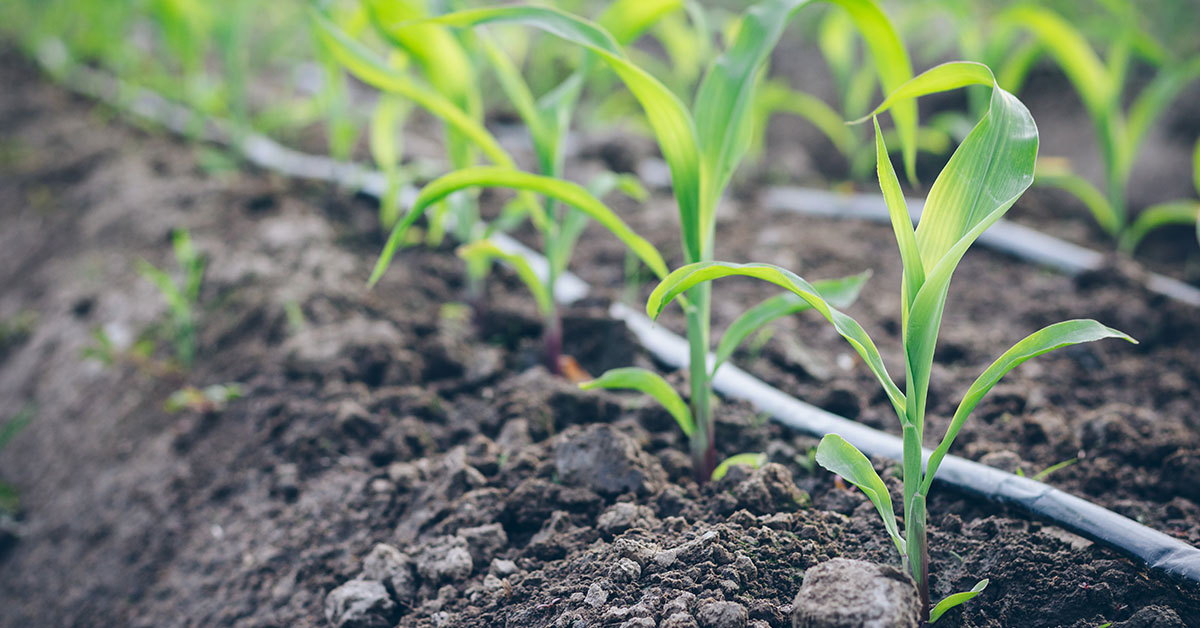

Welcome to the world of growing corn in Quebec! If you’re a corn enthusiast, you may be wondering when is the best time to plant corn in this beautiful Canadian province. Quebec’s unique climate, with its distinct seasons and varying temperatures, plays a significant role in determining the ideal time for corn planting.
In this article, we will delve into the factors that impact the timing for planting corn in Quebec, including frost dates, soil temperature, and the length of the growing season. By understanding these elements, you’ll be well-equipped to plan and cultivate a successful corn harvest in your Quebec garden. So, let’s dig in and discover the optimal time to sow your corn seeds in this picturesque region.
Best corn varieties to grow in Quebec
In Quebec, there are several varieties of corn that are well-suited for growing in the region. Here are some popular and recommended varieties:
- Silver Queen: This is a classic sweet corn variety known for its delicious flavor and tender kernels. It produces large ears with white kernels and is a popular choice among home gardeners.
- Bodacious: Bodacious is a high-yielding corn variety that produces large, sweet, and juicy yellow kernels. It is known for its excellent disease resistance and performs well in Quebec’s climate.
- Honey and Cream: This variety produces bi-colored ears with a mix of yellow and white kernels. It offers a sweet and creamy taste, making it a favorite for fresh eating.
- Early Sunglow: As the name suggests, Early Sunglow is an early-maturing corn variety, making it suitable for Quebec’s shorter growing season. It produces sweet yellow kernels and is often harvested around 63 days after planting.
- Kandy Korn: Kandy Korn is a popular variety that produces ears with colorful kernels ranging from yellow to red. It has a sweet flavor and good disease resistance.
When selecting corn varieties, consider factors such as your specific growing conditions, taste preferences, and harvest time. It’s also a good idea to check with local nurseries or agricultural extensions for varieties that are specifically recommended for your area in Quebec.
When to plant Corn in Quebec
In Quebec, the hardiness zones range from Zone 3a to Zone 5b, according to the Agriculture and Agri-Food Canada classification. The province experiences a variety of climates, from the colder regions in the north to milder conditions in the southern parts.
In Zone 3a, which encompasses areas like Kuujjuaq and Schefferville, the average minimum winter temperature ranges from -39.9°C to -37.3°C (-40°F to -35°F). This zone is characterized by extremely cold winters and a short growing season. It is not recommended to plant corn in this zone due to the limited time for the crop to mature.
Moving south to Zone 4a, which includes places like Chibougamau and Baie-Comeau, the average minimum winter temperature ranges from -34.4°C to -31.7°C (-30°F to -25°F). In this zone, the growing season is longer compared to Zone 3a, but it is still relatively short. While it is possible to grow corn in Zone 4a, the best results are achieved by planting early-maturing varieties and utilizing techniques to extend the growing season, such as using protective covers or starting seeds indoors.
In Zone 4b, which covers regions like Quebec City and Saguenay, the average minimum winter temperature ranges from -31.2°C to -28.9°C (-25°F to -20°F). The growing season is slightly longer compared to Zone 4a, providing better conditions for corn cultivation. Planting corn in late May or early June is recommended, once the soil has warmed up and the risk of frost has passed.
Moving further south to Zone 5a, which includes areas like Montreal and Sherbrooke, the average minimum winter temperature ranges from -28.8°C to -26.1°C (-20°F to -15°F). In this zone, the growing season is relatively longer, allowing for a wider range of crops to be cultivated successfully. Planting corn in mid to late May is suitable in Zone 5a.
Lastly, in Zone 5b, covering regions like Gatineau and Trois-Rivières, the average minimum winter temperature ranges from -26.1°C to -23.3°C (-15°F to -10°F). This zone has a longer growing season compared to the previous zones mentioned. The best time to plant corn in Zone 5b is from mid-May to early June.
It is important to note that these guidelines are general recommendations, and local weather patterns and microclimates can influence planting times. Checking with local gardening resources, agricultural extension services, or experienced gardeners in your specific area can provide more accurate information tailored to your location.
When to harvest Corn in Quebec
The optimal time to harvest corn in Quebec is typically during the late summer or early fall, around 70 to 80 days after planting. The exact timing can vary depending on the variety of corn you are growing and the specific weather conditions in your area. It’s important to regularly monitor your corn plants to assess their maturity. When the corn kernels are plump, firm, and filled out to the tip of the cob, and the husks have turned brown and dry, it is usually a good indication that the corn is ready for harvest. Additionally, you can perform a “thumb test” by pressing your thumbnail into a kernel – if a milky liquid is released, the corn is not yet mature, but if a doughy substance is released, it is likely ready for harvest.
Other considerations
When growing corn in Quebec, there are several other considerations to keep in mind:
- Climate: Quebec has a shorter growing season and cooler temperatures compared to other regions. It is important to choose corn varieties that have a shorter maturity period to ensure they can fully ripen before the frost sets in. Look for varieties that are suitable for cooler climates.
- Soil: Corn prefers well-draining soil that is rich in organic matter. Before planting, prepare the soil by adding compost or well-rotted manure to improve its fertility. Conduct a soil test to determine the pH level and make any necessary adjustments to ensure it falls within the ideal range for corn cultivation, which is usually between 6.0 and 7.0.
- Planting time: In Quebec, corn can be directly sown in the garden around mid to late May, after the risk of frost has passed. You can also start corn seeds indoors a few weeks earlier, but be careful when transplanting them to the garden, as corn does not like its roots disturbed.
- Spacing: Corn is wind-pollinated, so it is essential to plant it in blocks or multiple rows rather than single rows. This helps ensure good pollination and ear development. Allow for about 12-18 inches (30-45 cm) between plants and maintain at least 2-3 feet (60-90 cm) between rows.
- Watering: Corn requires consistent moisture throughout its growing season, especially during the critical stages of pollination and ear development. Water deeply and regularly, aiming for about 1-1.5 inches (2.5-3.8 cm) of water per week. Mulching around the plants can help retain moisture and suppress weeds.
- Fertilization: Corn is a heavy feeder and benefits from regular fertilization. Before planting, incorporate a balanced fertilizer into the soil. Side-dress the plants with nitrogen fertilizer when they are about knee-high, and again when the tassels appear. Follow the specific instructions on the fertilizer package for application rates.
- Pest and disease management: Keep an eye out for common corn pests such as corn earworms, cutworms, and corn borers. Implement preventive measures like crop rotation, removing and destroying affected plants, and using organic pest control methods when necessary. Be aware of common corn diseases such as common rust, northern corn leaf blight, and stalk rot, and take appropriate measures to prevent and control them.
- Harvesting: Corn is typically ready for harvest around 70-90 days after planting, depending on the variety. Look for signs of mature ears, such as dry and brown silks, and check the kernels by pressing them with your thumbnail to see if they release a milky substance. Harvest the ears as soon as they are mature, as the quality and sweetness can deteriorate if left on the plant too long.
By considering these factors, you can increase your chances of successfully growing corn in Quebec’s climate and enjoy a bountiful harvest.