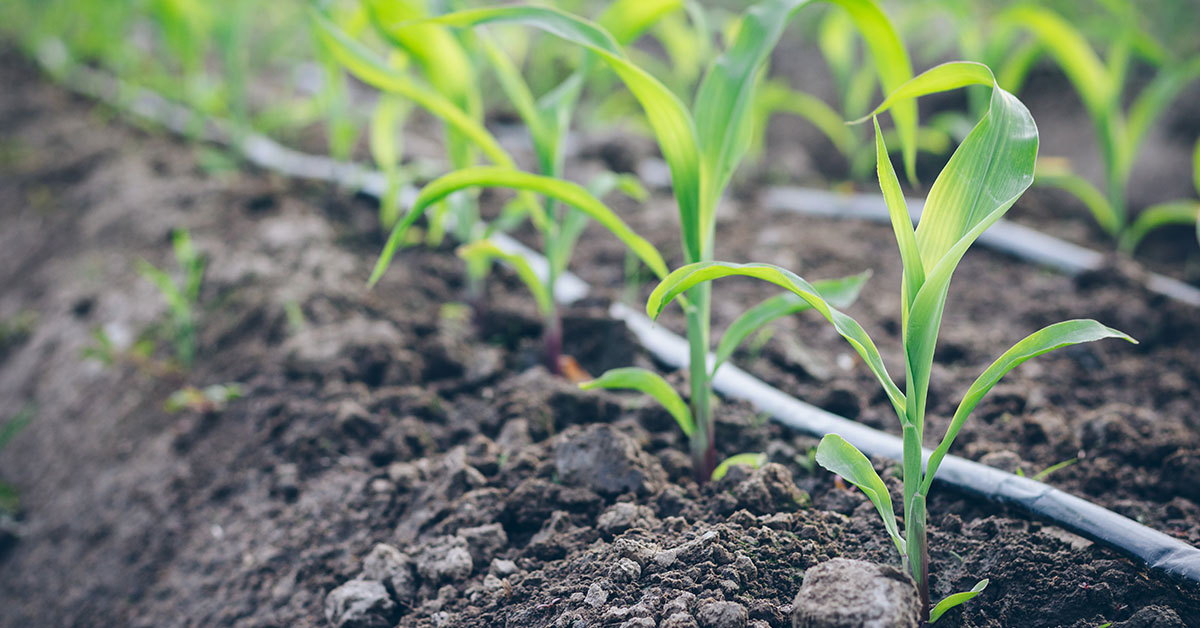

Planting corn in Pennsylvania is an important farming practice that requires careful consideration and timing. Knowing when to plant corn in Pennsylvania is essential for ensuring a successful crop.
Depending on the variety of corn, planting times vary slightly but generally fall between late April and early June. Proper timing of planting is essential for maximizing yields as it ensures that the corn has enough time to mature before the first frost.
Additionally, planting at the right time helps avoid the risk of disease and insect infestations, which could significantly reduce yields and even cause crop failure. Keeping an eye on the weather and soil conditions can also help ensure successful planting and harvesting.
Planting corn in Pennsylvania is an important step in a successful farming season and the importance of knowing when to plant corn should not be underestimated.
Knowing how to plant corn is important for many reasons. For one, corn is a staple crop for many cultures and is used in a variety of dishes.
It is also used as feed for livestock and can provide a steady source of income for farmers. In addition, growing corn can help to improve soil fertility and can also help to protect water resources by preventing runoff and erosion. Understanding the best methods for planting corn can help to ensure a successful harvest and can help to support communities and economies.
When to plant corn in Pennsylvania
Corn is a warm-season crop that requires a specific planting time to produce a good harvest. The best time to plant corn depends on your region’s climate and the type of corn you’re planting.
Typically, corn should be planted in the spring when the soil temperature reaches around 60°F (15°C). In colder regions, starting corn seeds indoors two weeks before the final frost date can help extend the growing season. In Pennsylvania, your final frost dates are:
- Zone 5: Around April 30th
- Zone 6: Around April 21st
- Zone 7: Around April 3rd
Starting your corn seeds early allows the seedlings to mature and be ready to transplant into the garden when the weather warms up. By starting the seeds indoors, you can ensure that the corn plants have enough time to grow and produce a good harvest.
Keep Reading: Heirloom Sweet Corn Varieties: A Guide to Heritage Corn
Transplanting corn seedlings outdoors
Planting corn outdoors can be a rewarding experience, but it’s important to do it correctly to ensure healthy growth and a bountiful harvest. Here’s a step-by-step guide on how to plant corn outdoors:
Corn thrives in well-draining soil that’s rich in organic matter. Before planting, clear the area of any weeds or debris and loosen the soil to a depth of at least 6 inches. Add compost or aged manure to the soil to boost its nutrient content.
Corn plants need to be spaced appropriately to allow for healthy growth and pollination. For most varieties, plant the seeds 1-2 inches deep and space them about 8-12 inches apart in rows that are 30-36 inches apart. This will provide enough room for the plants to grow and for pollination to occur.
Corn requires regular fertilization to promote healthy growth and high yields. Fertilize the soil with a balanced fertilizer, following the manufacturer’s instructions. Water the plants regularly, ensuring that the soil stays evenly moist. Corn plants need at least 1 inch of water per week.
Corn is susceptible to a variety of pests, including cutworms, corn borers, and aphids. To prevent infestations, monitor your plants regularly and take action as soon as you notice any signs of damage or yellowing. Consider using organic pest control methods, such as companion planting or applying natural pesticides.
Popular varieties of corn to try
Picking the right type of corn for Pennsylvania is pretty important. Some varieties mature faster, making them ideal for cooler climates. Others take longer. These are some of the more popular varieties of corn commonly grown:
- Silver Queen – 92 days
- Golden Bantam – 75 days
- Country Gentleman – 90 days
- Ambrosia – 75 days
- Honey Select – 75 days
- Early Sunglow – 63 days
- Peaches and Cream – 85 days
- Bodacious – 75 days
- Trinity – 90 days
- Kandy Korn – 89 days.
When to harvest corn in Pennsylvania
Harvesting corn at the right time is critical to ensure its maximum flavor and sweetness. Typically, corn is ready for harvest about 20 to 25 days after the silk emerges from the ear. However, the exact timing will depend on the variety and growing conditions.
Here are the steps to follow for harvesting corn:
- Look for signs of maturity: Check the husks for browning and drying out, the silk should be dark and dry, and the kernels should be plump and firm.
- Test a few ears: To check if the corn is ready to harvest, pull back the husk and pop a kernel with your fingernail. The liquid should be milky white and not clear.
- Harvest: Once the corn is ready, twist the ear downwards and give it a sharp tug. The ear should snap off the stalk cleanly. Avoid pulling the ears upward as it may damage the plant.
- Store: To maintain the corn’s freshness, store it in a cool, dry place, and consume it as soon as possible.
It’s important to note that corn’s sweetness starts to deteriorate rapidly after it’s picked, so it’s best to harvest and consume it within a few days. By following these simple steps, you can ensure a bountiful and flavorful harvest of corn.