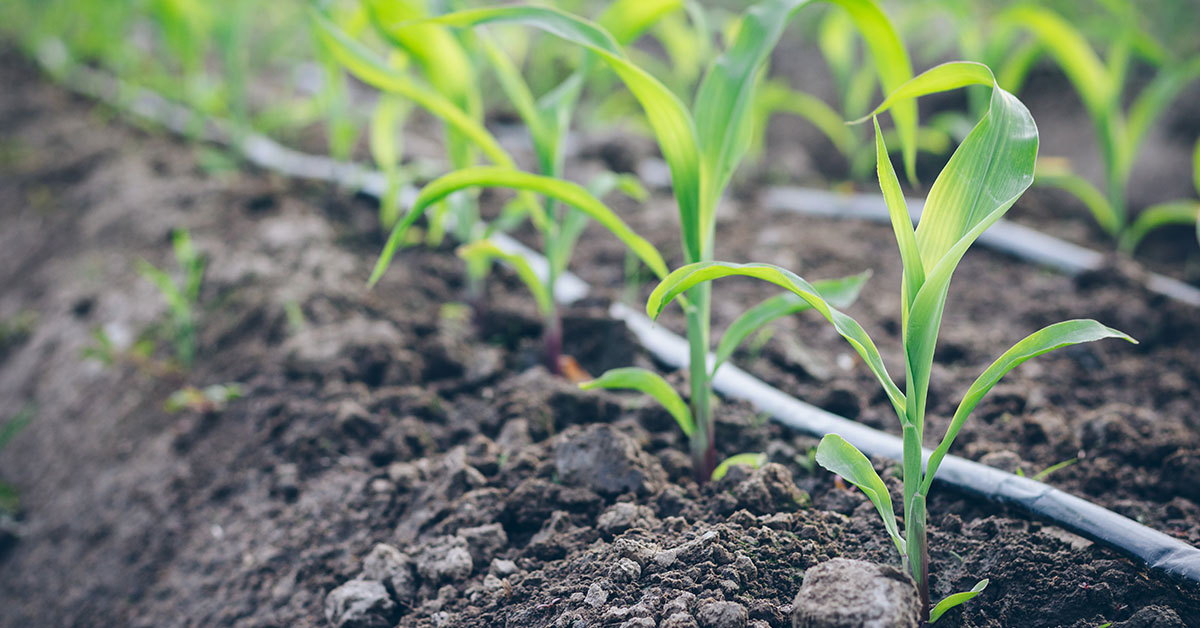

Welcome to the world of growing corn in Nova Scotia! If you’re considering growing corn in your backyard, you’ve come to the right place. In this article, we will explore the best time to plant corn in Nova Scotia, taking into account the unique climate and growing conditions of this beautiful province.
With its cool summers and shorter growing season, Nova Scotia presents a few challenges for corn cultivation. However, with the right timing and proper care, you can still enjoy a bountiful harvest of delicious, sweet corn. So, grab your gardening tools and let’s dive into the world of corn planting in Nova Scotia!
Best corn to grow in Nova Scotia gardens
In Nova Scotia, some good varieties of corn to consider are:
- Silver Queen: This variety is known for its sweet and tender kernels. It has a good yield and is a popular choice among gardeners in Nova Scotia.
- Incredible: This variety is known for its large, flavorful, and sweet kernels. It has good disease resistance and performs well in the Nova Scotia climate.
- Golden Bantam: This heirloom variety has been a favorite for many years. It produces deliciously sweet and flavorful corn with golden-yellow kernels.
- Honey and Cream: This bicolor variety produces both yellow and white kernels on each cob. It has a sweet and creamy taste, making it a popular choice for fresh eating.
- Peaches and Cream: Another popular bicolor variety, Peaches and Cream has a combination of sweet yellow and creamy white kernels. It is known for its tenderness and great taste.
Remember to choose corn varieties that have a shorter maturity period to ensure they have enough time to reach maturity before the first frost in your area. Additionally, consider the space available in your garden, as some corn varieties may grow taller and require more space than others.
When to plant Corn in Nova Scotia
Nova Scotia is located in the northeastern part of Canada and has a diverse climate, with variations in hardiness zones across the province. The hardiness zones in Nova Scotia range from 4a to 7a, with the northern and highland regions experiencing colder temperatures compared to the southern and coastal areas.
In the northern and highland regions of Nova Scotia, such as Cape Breton Island and parts of the mainland, the hardiness zones range from 4a to 5b. These areas have shorter growing seasons and colder temperatures, making it challenging to grow crops like corn. However, with careful planning and the use of season-extending techniques, it is still possible to grow corn here.
In the central and southern regions of Nova Scotia, including Halifax and the Annapolis Valley, the hardiness zones range from 5b to 7a. These areas have relatively longer growing seasons and milder temperatures, which are more favorable for growing corn.
The best time to plant corn in Nova Scotia varies depending on the specific region and the desired corn variety. In general, corn is a warm-season crop that requires soil temperatures of at least 50°F (10°C) for successful germination and growth. It is typically recommended to plant corn after the last frost date, which is usually around late May to early June in most parts of Nova Scotia.
However, it is crucial to consider the specific variety of corn you intend to plant, as some varieties have different maturation periods. There are early-season, mid-season, and late-season corn varieties, each with different days to maturity. Early-season varieties can be planted earlier in the season, while late-season varieties need a longer growing period and should be planted later.
To determine the best planting time for corn in your specific location within Nova Scotia, it is advisable to consult local gardening resources, agricultural extension services, or experienced gardeners in your area. They will have a better understanding of the microclimates and specific growing conditions in your region, allowing them to provide more precise guidance for planting corn.
When to harvest Corn in Nova Scotia
The optimal time to harvest corn in Nova Scotia is typically in late summer or early fall, around late August to early October. However, the exact timing can vary depending on the specific variety of corn you are growing and the prevailing weather conditions.
To determine if your corn is ready for harvest, there are a few signs to look for:
- Tassel browning: The tassel, which is the male flower structure at the top of the corn stalk, should be completely brown and dry.
- Ear silks browning: The silks, which are the thread-like structures emerging from the top of each ear, should also turn brown and dry out.
- Ear size and feel: Gently peel back the husk on a few ears of corn. The kernels should be plump and tightly packed together. You can also press your thumbnail into a kernel; if a milky substance comes out, it’s a good indication that the corn is ready for harvest.
It’s essential to monitor your corn closely during this period because the ideal harvest time can be relatively short. If you wait too long, the kernels might become overly mature, losing their sweetness and tenderness.
Additionally, keep in mind that corn can be affected by frost. If there is a risk of frost in the forecast, it’s best to harvest your corn before it occurs to avoid any damage.
Other considerations
When growing corn in Nova Scotia, there are several additional considerations to keep in mind:
- Climate: Nova Scotia has a relatively short growing season, so it is important to choose corn varieties that have a shorter maturity time. Look for varieties that have a maturity period of around 70-80 days. Additionally, ensure that the corn is planted after the last frost date in spring.
- Soil: Corn requires well-draining soil with a pH level between 5.8 and 7.0. Conduct a soil test to determine the soil’s nutrient levels and amend it accordingly with organic matter, such as compost or well-rotted manure, to improve fertility and drainage.
- Sunlight: Corn is a sun-loving crop and requires at least 6-8 hours of direct sunlight per day. Choose a location in your garden that receives ample sunlight throughout the day.
- Planting: Corn is wind-pollinated, so it is best to plant it in blocks of several rows rather than a single row. This allows for better pollination and higher yields. Plant the seeds about 1-2 inches deep and 8-12 inches apart within the rows. Space the rows about 2-3 feet apart to provide enough room for the plants to grow.
- Watering: Corn needs consistent moisture, especially during its pollination stage. Ensure that the plants receive around 1 inch of water per week, either through rainfall or supplemental irrigation. Water deeply and avoid overhead watering, as wet foliage can increase the risk of diseases.
- Fertilization: Corn is a heavy feeder and requires regular fertilization to promote healthy growth and high yields. Apply a balanced organic fertilizer before planting, and side-dress with nitrogen-rich fertilizer when the plants are knee-high and again when they start to tassel.
- Pest and disease management: Common pests that can affect corn in Nova Scotia include corn earworms, European corn borers, and armyworms. Monitor your plants regularly and take appropriate action if you notice any signs of infestation. Diseases such as common rust and northern corn leaf blight can also be a concern, so practice crop rotation and choose disease-resistant corn varieties.
- Harvesting: Corn is ready for harvest when the kernels are plump and filled out. The husks should be green and the silk should be brown and dry. Harvesting should ideally take place in the morning when the plants are hydrated. Avoid overripe corn, as the kernels may become tough and starchy.
By considering these factors, you can increase your chances of successfully growing corn in Nova Scotia and enjoy a bountiful harvest.