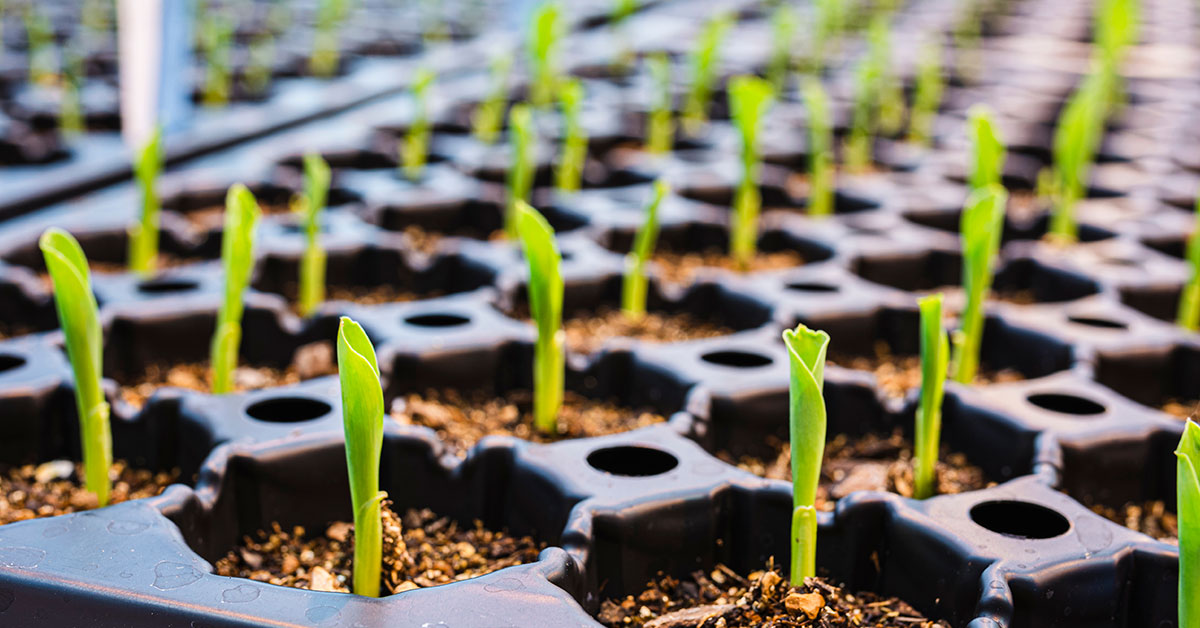

Are you a passionate gardener looking to cultivate corn in Manitoba? Whether you are a seasoned pro or a beginner, understanding the best time to plant corn can greatly enhance your chances of a successful harvest.
Manitoba’s unique climate and growing conditions require careful planning and timing to optimize corn growth. In this article, we will delve into the factors that influence the ideal planting time for corn in Manitoba, including average frost dates, soil temperature, and moisture levels. By following this comprehensive guide, you will be equipped with the knowledge needed to make informed decisions and set your corn crop up for optimal growth and yield.
Best corn varieties to grow in your Manitoba garden
In Manitoba, some good varieties of corn that are well-suited to the climate and growing conditions include:
- Early Sunglow: This is an early-maturing variety that produces sweet and tender corn. It is a popular choice for short growing seasons in Manitoba.
- Silver Queen: This is a classic variety known for its large, sweet, and creamy-white kernels. It has good disease resistance and performs well in Manitoba’s climate.
- Incredible: This variety is known for its excellent flavor and high yields. It has good disease resistance and matures in around 85 days.
- Bonanza: Bonanza is a compact variety that is ideal for small gardens or containers. It produces small, sweet ears of corn and matures quickly.
- Northern Xtra-Sweet: This variety is specifically bred for cooler climates and short growing seasons. It has good disease resistance and produces sweet, tender corn.
- Peaches and Cream: This popular variety produces bi-colored kernels that are both sweet and creamy. It is a reliable performer in Manitoba’s climate.
Remember to choose corn varieties that are specifically labeled as suitable for your region and follow proper planting and care instructions to ensure successful growth.
When to plant Corn in Manitoba
In Manitoba, the hardiness zones range from 0a to 2b, according to the Plant Hardiness Zone Map of Canada. This means that the province experiences cold and harsh winters, making it important to choose plants that can withstand these conditions.
When it comes to planting corn in Manitoba, it is crucial to consider the province’s short growing season and potential early frosts. Corn is typically categorized as a warm-season crop, preferring temperatures between 60°F and 95°F (15°C to 35°C) for optimal growth. Given these requirements, it is best to plant corn after the last frost date in Manitoba, which varies by region.
In southern Manitoba, where the growing season is longer, corn can be planted as early as late May to early June. This ensures that the crop has enough time to mature before the first frost in the fall. However, it is recommended to monitor weather conditions and soil temperature before planting, as corn germination and growth can be negatively affected if the soil is too cold.
In central and northern Manitoba, where the growing season is shorter, it is advisable to wait until late May or early June, once the risk of frost has significantly decreased. This allows for maximum growth potential and reduces the risk of losing the crop to an unexpected frost.
To increase the chances of a successful corn harvest in Manitoba, it is recommended to select corn varieties specifically bred for shorter growing seasons or early maturity. These varieties are adapted to cooler climates and have a better chance of reaching maturity before the first frost.
Additionally, ensuring that the soil is well-drained, fertile, and has a pH level between 6 and 7 will contribute to better corn growth. Adequate watering, regular weeding, and proper fertilization practices throughout the growing season will also help promote healthy corn plants.
By considering Manitoba’s hardiness zones and the specific growing conditions in each region, you can determine the best time to plant corn and increase your chances of a successful harvest.
When to harvest Corn in Manitoba
The optimal time to harvest corn in Manitoba typically falls between late August and early September. However, the exact timing can vary depending on factors such as the specific corn variety planted, weather conditions throughout the growing season, and the desired maturity of the corn. It is important to monitor the corn closely and look for signs of maturity, such as dry husks, brown silks, and fully formed kernels. Additionally, you can perform a “thumbnail test” by pressing your thumbnail into a kernel – if a milky white liquid is released, the corn is not yet ready for harvest, but if a dough-like substance is released, it is likely ready for harvest.
Other considerations
When growing corn in Manitoba, there are several additional considerations to keep in mind:
- Climate: Manitoba has a short growing season and cool temperatures, so it is important to choose corn varieties that are suitable for the region. Look for varieties with a maturity period of around 80-90 days.
- Soil: Corn thrives in well-drained, fertile soil with a pH level between 6 and 7. Conduct a soil test to determine if any amendments, such as lime or compost, are needed to improve the soil quality.
- Planting: Corn should be planted when the soil temperature reaches around 10-12 degrees Celsius. Plant seeds at a depth of 1-2 inches and space them about 12-18 inches apart in rows that are 30-36 inches apart.
- Fertilization: Corn is a heavy feeder and requires regular fertilization throughout the growing season. Apply a balanced fertilizer at planting time and side-dress the plants with nitrogen fertilizer when they are about 12 inches tall.
- Watering: Corn requires consistent moisture, especially during the pollination period. Provide regular watering, aiming for about 1-1.5 inches of water per week. Avoid overhead watering to minimize disease issues.
- Weed control: Keep the cornfield weed-free by regularly cultivating or mulching the area. Corn is particularly sensitive to competition from weeds, so it is important to establish a weed management plan.
- Disease and pest management: Be vigilant for common corn diseases and pests in Manitoba, such as corn smut, corn borers, and corn earworms. Monitor the plants regularly and take appropriate action, such as using organic insecticides or implementing integrated pest management strategies.
- Harvesting: Harvest corn when the ears are fully mature and the kernels are plump and milky. Check for ripeness by gently pressing a kernel with your fingernail – if a milky liquid is released, the corn is ready to be harvested.
Overall, paying attention to these considerations will help ensure a successful corn harvest in Manitoba.