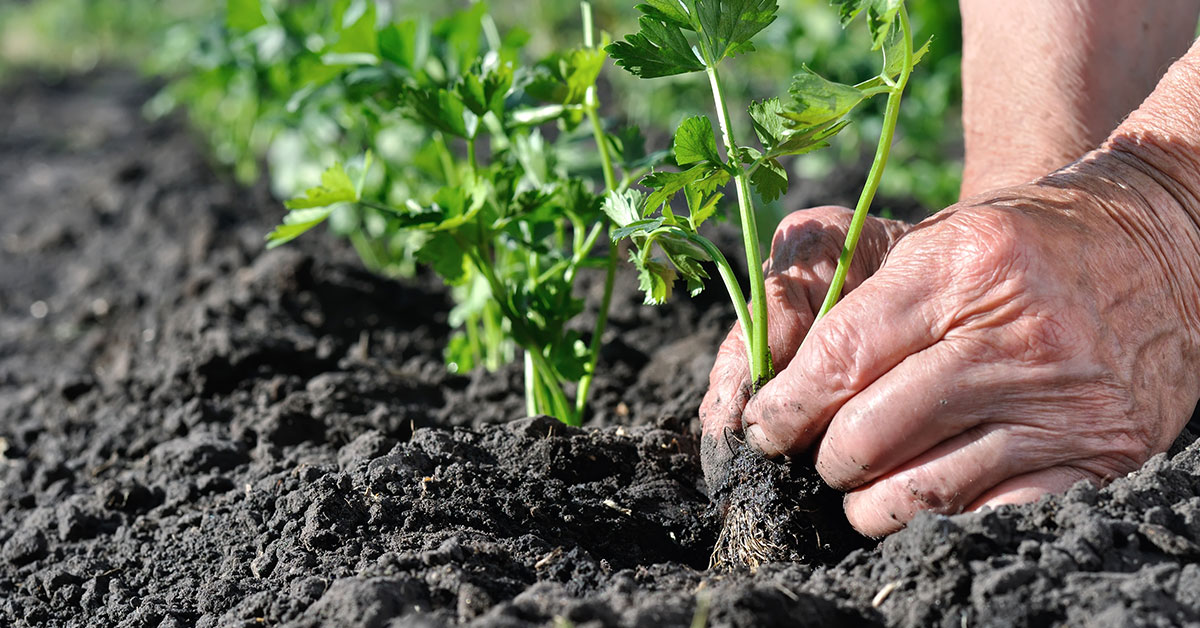

When it comes to growing celery in New Zealand, timing is everything. With its crisp texture and distinct flavor, celery is a versatile vegetable that adds depth to soups, salads, and stir-fries. However, due to New Zealand’s unique climate, it is crucial to understand the optimal planting window for this cool-season crop. Celery thrives in moderate temperatures and requires a long growing season to develop its characteristic stalks. In this article, we will delve into the best time to plant celery in New Zealand, taking into account the country’s diverse climate zones and providing valuable insights to help you achieve a successful celery harvest.
Whether you are a seasoned gardener or a beginner, this guide will equip you with the knowledge you need to grow healthy and flavorful celery in your New Zealand garden.
Best varieties of Celery to grow in New Zealand
In New Zealand, there are several varieties of celery that grow well in our climate. Here are a few popular choices:
- Tango: Tango is a popular celery variety known for its excellent flavor and crisp texture. It is resistant to bolting and disease, making it a reliable choice for New Zealand gardens.
- Giant Red: This variety of celery has red stalks and a milder flavor compared to other varieties. It is a great option for adding color to your garden and dishes.
- Golden Self-Blanching: As the name suggests, this variety self-blanches, meaning the stalks turn a pale yellow color naturally. It has a sweet and mild flavor and is relatively easy to grow.
- Ventura: Ventura is a high-yielding celery variety that produces thick, crunchy stalks. It is resistant to diseases and performs well in New Zealand’s climate.
- Utah: Utah celery is a classic variety that is known for its long, crisp stalks and strong celery flavor. It is a reliable choice for New Zealand gardeners and is resistant to bolting.
Remember, celery prefers cool weather and consistent moisture. It is a good idea to start celery seeds indoors or in a greenhouse before transplanting them outside. Additionally, celery requires fertile soil and regular feeding to thrive.
When to plant Celery in New Zealand
The best time to plant celery in New Zealand is during the spring and early summer months, typically from September to November. Celery is a cool-season crop and requires a long growing season to reach maturity. Planting during this time allows the plants to establish themselves before the hotter months of summer. It is important to note that celery is a frost-tender plant, so it is best to wait until the risk of frost has passed before planting.
When to harvest Celery in New Zealand
Celery is typically harvested in New Zealand during the late summer and early autumn months, which is around February to April. However, the exact timing can vary depending on the specific growing conditions and the variety of celery being cultivated. It is important to monitor the plant closely and harvest when the stalks are firm, crisp, and have reached the desired size. It is recommended to harvest celery in the morning when the plants are well-hydrated and the temperatures are cooler.
Other considerations
When growing celery in New Zealand, there are several important considerations to keep in mind:
- Climate: Celery thrives in cool climates, so it is best to grow it during the cooler months in New Zealand. It prefers temperatures between 15-20°C (59-68°F) during the day and slightly cooler temperatures at night.
- Soil: Celery prefers well-draining soil that is rich in organic matter. Before planting, amend the soil with compost or well-rotted manure to improve its fertility and moisture-retaining capacity.
- Watering: Celery requires consistent moisture to grow well. Keep the soil evenly moist, but avoid overwatering as it can lead to root rot. Mulching around the plants can help retain soil moisture.
- Sunlight: While celery prefers cooler temperatures, it still needs at least 6-8 hours of direct sunlight each day. Choose a location in your garden that receives adequate sunlight.
- Fertilization: Celery is a heavy feeder and requires regular fertilization. Before planting, incorporate a balanced organic fertilizer into the soil. Additionally, side-dress the plants with compost or a nitrogen-rich fertilizer every 3-4 weeks during the growing season.
- Planting and spacing: Start celery seeds indoors about 10-12 weeks before the last frost date. Once the seedlings have developed a few true leaves, transplant them into the garden. Space the plants about 30-45 cm (12-18 inches) apart to allow for proper air circulation and growth.
- Pest and disease management: Celery can be susceptible to pests such as aphids, slugs, and snails. Regularly inspect your plants and take appropriate measures to control pests, such as using organic insecticides or handpicking. Diseases like celery leaf spot and celery root rot can also be a concern. Practice crop rotation, provide good air circulation, and avoid overwatering to minimize the risk of disease.
- Harvesting: Celery is typically ready for harvest around 3-4 months after planting. Harvest the stalks when they reach the desired size, usually around 20-30 cm (8-12 inches) in length. Cut the stalks at the base, leaving the plant in the ground to produce more stalks.
By considering these factors, you can successfully grow celery in New Zealand and enjoy a bountiful harvest.