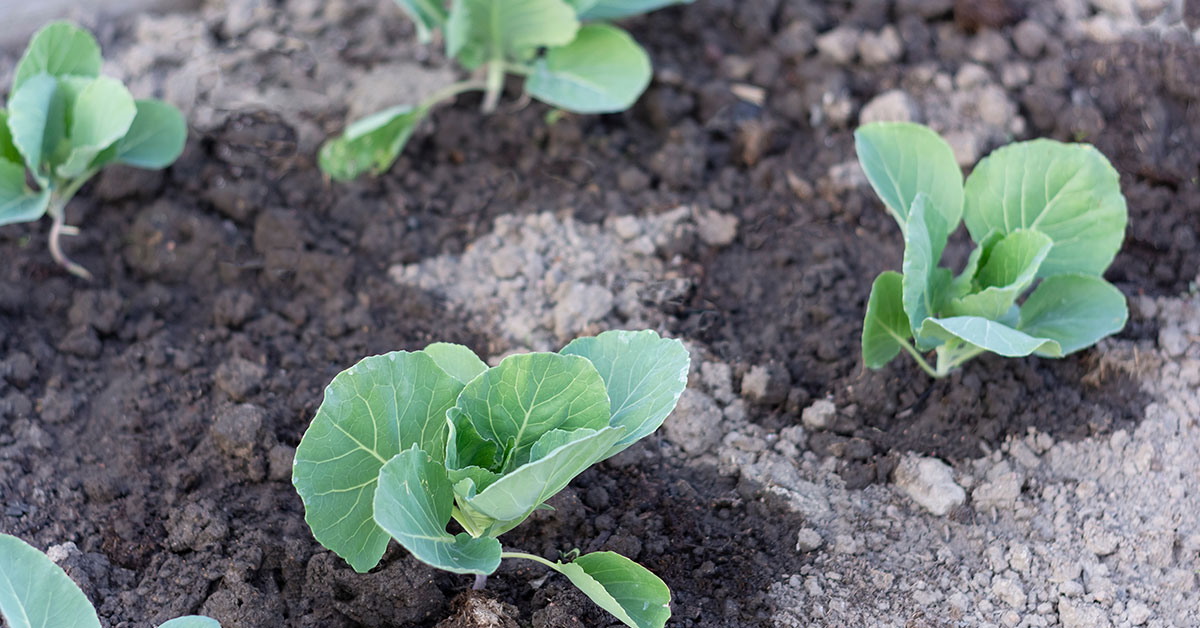

If you’re a cauliflower enthusiast or simply looking to add this versatile vegetable to your garden, timing is crucial. The UK’s temperate climate can be both a boon and a challenge for gardeners when it comes to planting cauliflower. In this comprehensive guide, we will delve into the ideal timeframes for planting cauliflower in the UK, taking into account the varying regions, weather conditions, and specific cultivars that thrive in this part of the world.
Whether you’re a seasoned gardener or a novice, let’s explore the optimal windows for planting cauliflower in the UK to ensure a bountiful harvest of this delicious and nutritious vegetable.
Best cauliflower varieties to grow in the UK
There are several good varieties of cauliflower that are suitable for growing in the UK. Here are a few popular ones:
- ‘Snowball’: This variety is a classic and widely grown in the UK. It produces large, white heads and is known for its excellent flavor and texture.
- ‘All The Year Round’: As the name suggests, this variety can be grown throughout the year, making it a great choice for continuous harvesting. It has medium-sized heads with a mild taste.
- ‘Purple Graffiti’: If you’re looking for something a bit more unusual, ‘Purple Graffiti’ is a vibrant purple variety. It has a slightly milder taste compared to white cauliflowers and adds a pop of color to your garden and dishes.
- ‘Romanesco’: This variety has striking lime-green heads with intricate fractal patterns. It has a slightly nutty flavor and is a favorite among many gardeners for its unique appearance.
- ‘Green Macerata’: This Italian variety produces medium-sized, lime-green heads. It has a mild taste and is known for its resistance to bolting, making it a reliable choice for UK gardens.
Remember to choose a variety that suits your taste preferences, growing conditions, and the time of year you plan to plant. Happy gardening!
When to plant Cauliflower in the UK
In the United Kingdom, the hardiness zones are classified as USDA zones, which are based on the average minimum winter temperatures. The UK generally falls within USDA hardiness zones 7 through 10, although there might be some regional variations.
Cauliflower is a cool-season crop that prefers cool temperatures for optimal growth. The best time to plant cauliflower in the UK is during the late summer or early autumn, typically from mid-July to late August. This timing allows the plants to establish before the colder temperatures of winter arrive.
It is important to note that cauliflower can also be grown in the spring, but it requires careful planning to ensure it matures before the onset of summer heat. Spring planting is usually done in early spring, around March or April, depending on the specific location and weather conditions.
When planting cauliflower, it is essential to consider the specific variety being planted, as different varieties have different maturity dates. Some cauliflower varieties take longer to mature than others, so be sure to check the seed packet or plant label for the estimated time to maturity. This information will help you determine the best time to sow the seeds or transplant seedlings.
Apart from timing, cauliflower thrives in well-drained soil with a pH range of 6.0 to 7.5. It requires a sunny location that receives at least six hours of direct sunlight daily. Adequate moisture is also crucial for proper growth, so regular watering is necessary, especially during dry periods.
By following these guidelines and considering the specific growing conditions in your area, you can successfully plant and grow cauliflower in the UK. Enjoy the process and the delicious harvest that awaits you!
When to harvest Cauliflower in the UK
The optimal time to harvest cauliflower in the UK is typically between late summer and early autumn, depending on the specific variety and growing conditions. It is important to monitor the development of the cauliflower heads closely as they mature.
Harvesting too early may result in smaller heads, while waiting too long may cause the heads to become overmature and develop a bitter taste. Generally, the heads are ready for harvest when they reach a good size, are firm to the touch, and have a consistent white color. It is recommended to harvest cauliflower heads when they are fully developed but before the curds start to separate or show signs of discoloration.
Other considerations
When growing cauliflower in the UK, there are a few other considerations to keep in mind:
- Temperature: Cauliflower prefers cooler temperatures and can tolerate frost. It is best to plant cauliflower in early spring or late summer to avoid extreme heat. Ensure the soil temperature is between 60-70°F (15-21°C) for optimal growth.
- Soil: Cauliflower grows best in well-drained, fertile soil. Prepare the soil by incorporating organic matter such as compost or well-rotted manure before planting. Maintain a pH level of 6.0-7.5 for ideal growth.
- Sunlight: Cauliflower needs at least 6 hours of direct sunlight per day. Choose a sunny spot in your garden to plant cauliflower.
- Watering: Cauliflower requires consistent moisture to grow well. Water deeply once or twice a week, providing about 1-1.5 inches of water per week. Avoid overwatering, as it can lead to root rot.
- Mulching: Mulching around cauliflower plants helps to retain soil moisture, suppress weed growth, and maintain a consistent soil temperature. Apply a layer of organic mulch, such as straw or compost, around the plants.
- Fertilization: Cauliflower is a heavy feeder and requires regular fertilization. Apply a balanced fertilizer, high in nitrogen, at planting time and side dress with additional fertilizer during the growing season. Follow the recommended dosage on the fertilizer package.
- Pests and diseases: Cauliflower is susceptible to various pests and diseases, including cabbage worms, aphids, clubroot, and powdery mildew. Monitor your plants regularly and take preventive measures, such as using row covers, applying organic insecticides, and practicing crop rotation to minimize the risk of infestation and disease.
- Harvesting: Harvest cauliflower heads when they reach a desirable size and are firm. Cut the head off with a sharp knife, leaving a few outer leaves intact. Be careful not to damage the surrounding plant.
By considering these factors, you can increase your chances of successfully growing cauliflower in the UK. Happy gardening!