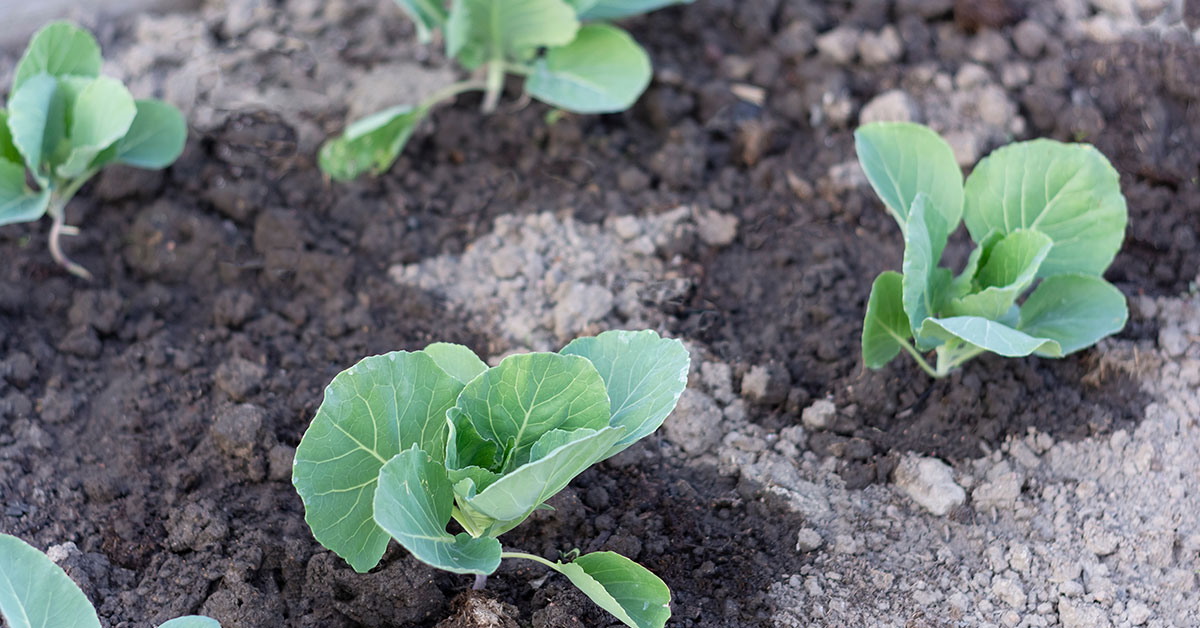

Welcome to the world of gardening in New Zealand, where we have the privilege of enjoying a unique climate that allows for a wide variety of plants to thrive. If you’re a cauliflower enthusiast, you’ll be pleased to know that this versatile vegetable can be successfully grown in our temperate climate. However, timing is crucial when it comes to planting cauliflower to ensure optimal growth and a bountiful harvest. In this article, we will delve into the specifics of when to plant cauliflower in New Zealand, taking into consideration the different regions and microclimates that exist throughout the country.
Whether you’re a seasoned gardener or a beginner looking to try your hand at growing cauliflower, this guide will provide you with the knowledge you need to achieve success in your garden.
Best varieties of Cauliflower to grow in New Zealand
In New Zealand, there are several cauliflower varieties that are well-suited to the local growing conditions. Here are a few popular choices:
- Snowball: Snowball is a classic cauliflower variety that performs well in New Zealand. It produces medium-sized, pure white heads and has good heat tolerance.
- All Year Round: As the name suggests, this variety can be grown throughout the year in New Zealand. It has a long harvesting period and produces medium to large-sized heads.
- Graffiti: Graffiti is a colorful variety with stunning purple heads. It has good heat tolerance and is known for its excellent flavor.
- Candid Charm: This variety is known for its compact size, making it suitable for smaller gardens or containers. It produces small to medium-sized heads and has good heat tolerance.
- Autumn Giant: Autumn Giant is a late-maturing variety that is well-suited to New Zealand’s cooler autumn and winter conditions. It produces large, white heads and has good disease resistance.
It’s important to note that cauliflower prefers cool weather and consistent moisture levels. To ensure successful growth, provide them with well-draining soil, regular watering, and protection from extreme heat or cold.
When to plant Cauliflower in New Zealand
The best time to plant cauliflower in New Zealand depends on the region and climate. In general, cauliflower is a cool-season crop and prefers cooler temperatures for optimal growth.
For most regions in New Zealand, the ideal time to plant cauliflower is during the late summer or early autumn months (February to April). This allows the plants to establish and grow during the cooler months of autumn and winter, which are more favorable for cauliflower growth.
However, if you live in a region with mild winters, such as parts of the North Island or coastal areas, you can also plant cauliflower in early spring (September to October). Just make sure to provide adequate protection from frost if needed.
It’s important to note that cauliflower requires well-drained soil, full sun exposure, and regular watering to thrive. Additionally, consider using organic matter or compost to improve soil fertility before planting.
When to harvest Cauliflower in New Zealand
Cauliflower is typically harvested in New Zealand during the cooler months, from late autumn to early spring. The exact timing can vary depending on the specific region and climate conditions. In general, cauliflower is ready to be harvested when the heads are firm, compact, and reach a desirable size. It is important to monitor the development of the cauliflower heads closely, as they can quickly go from being underdeveloped to overmature. Harvesting should be done before the heads start to separate or show signs of discoloration.
Other considerations
When growing cauliflower in New Zealand, there are several important considerations to keep in mind:
- Climate: Cauliflower prefers cool temperatures and grows best in regions with mild summers and winters. In New Zealand, it is typically grown in cooler regions such as Southland, Canterbury, and the lower North Island.
- Soil: Cauliflower requires well-draining soil that is rich in organic matter. Prior to planting, amend the soil with compost or well-rotted manure to improve its fertility and moisture-retaining capacity.
- pH Level: Cauliflower thrives in slightly acidic to neutral soil with a pH range of 6.0 to 7.0. Test your soil’s pH level and adjust it if necessary by adding lime to raise the pH or sulfur to lower it.
- Sunlight: Cauliflower needs full sun exposure for at least 6 hours a day to develop properly. Choose a location in your garden that receives ample sunlight.
- Watering: Cauliflower requires consistent moisture to grow well. Water deeply and regularly, especially during dry periods. However, be cautious not to overwater, as it can lead to root rot. Mulching around the plants can help retain moisture and suppress weed growth.
- Planting: Start cauliflower seeds indoors 4-6 weeks before the last expected frost date. Transplant the seedlings into the garden once they have 4-6 true leaves and the soil has warmed up. Space the plants about 45-60 cm apart to allow for proper airflow and development.
- Fertilization: Prior to planting, incorporate a balanced organic fertilizer into the soil. Side-dress the plants with a nitrogen-rich fertilizer once they start forming heads. Avoid excessive nitrogen fertilization, as it can result in leafy growth with smaller heads.
- Pest and Disease Control: Common pests that can affect cauliflower include aphids, cabbage worms, and slugs. Monitor your plants regularly and take appropriate measures such as handpicking pests or using organic insecticides. Diseases like clubroot and black rot can also be a concern. Practice crop rotation and maintain good garden hygiene to minimize the risk of these diseases.
- Harvesting: Harvest cauliflower heads when they reach a desirable size and are still compact. Cut the heads with a sharp knife, leaving a few outer leaves intact. Harvesting should be done before the heads start to loosen or turn yellow.
By considering these factors, you can increase your chances of successfully growing cauliflower in New Zealand.