
Are you an avid gardener wanting to grow delicious cabbage in zone 8? Look no further, as we are here to guide you on the best time to plant cabbage in this specific region. Zone 8, encompassing various areas with mild winter temperatures and long growing seasons, presents an ideal opportunity for cabbage cultivation.
However, understanding the optimal timeframe for planting is crucial to ensure successful growth and a bountiful harvest. In this article, we will delve into the specific details of Zone 8’s climate, the preferred cabbage varieties for this region, and the key factors to consider when determining the best time to plant your cabbage.
By following our expert advice, you will be equipped with the knowledge and confidence to achieve thriving cabbage plants and enjoy the fruits of your labor in no time.
What are good varieties of Cabbage for zone 8 gardens?
In zone 8, you have a wide range of cabbage varieties to choose from. Here are some popular and reliable options:
- ‘Early Jersey Wakefield’: This is an early-maturing variety with pointed heads. It is known for its sweet and tender flavor.
- ‘Copenhagen Market’: This variety produces medium-sized, round heads that are great for fresh eating and cooking. It has a relatively short growing season.
- ‘Golden Acre’: This compact variety forms small to medium-sized heads that are dense and sweet. It is known for its ability to withstand heat.
- ‘Red Express’: If you prefer red cabbage, ‘Red Express’ is a great choice. It has compact heads with vibrant red leaves and a mild flavor.
- ‘Savoy King’: This variety has crinkled leaves and produces large heads. It has a mild and sweet flavor, and the leaves are tender and delicious.
- ‘January King’: This is a winter-hardy variety that produces medium to large heads with attractive purple and green leaves. It has a slightly sweet and nutty flavor.
- ‘Stonehead’: This variety forms tight, round heads that are resistant to splitting. It has a mild and sweet flavor, making it perfect for salads or coleslaw.
Remember to consider your specific growing conditions, such as sunlight, soil type, and available space, when choosing the best cabbage varieties for your garden.
When to plant Cabbage in zone 8
In gardening, the hardiness zone system is a valuable tool that helps gardeners determine which plants are most likely to thrive in their specific region. Zone 8 is characterized by mild winters and warm summers, making it suitable for a wide range of plants.
When it comes to planting cabbage in zone 8, it is important to consider both the temperature and the growing season. Cabbage is a cool-season vegetable that prefers cooler temperatures for optimal growth.
In zone 8, the best time to plant cabbage is typically in the early spring or late winter, depending on the specific location within the zone. It is important to wait until the soil has thawed and reached a temperature of around 40 to 75 degrees Fahrenheit (4 to 24 degrees Celsius) before planting cabbage. This ensures that the soil is warm enough to promote good root development and growth.
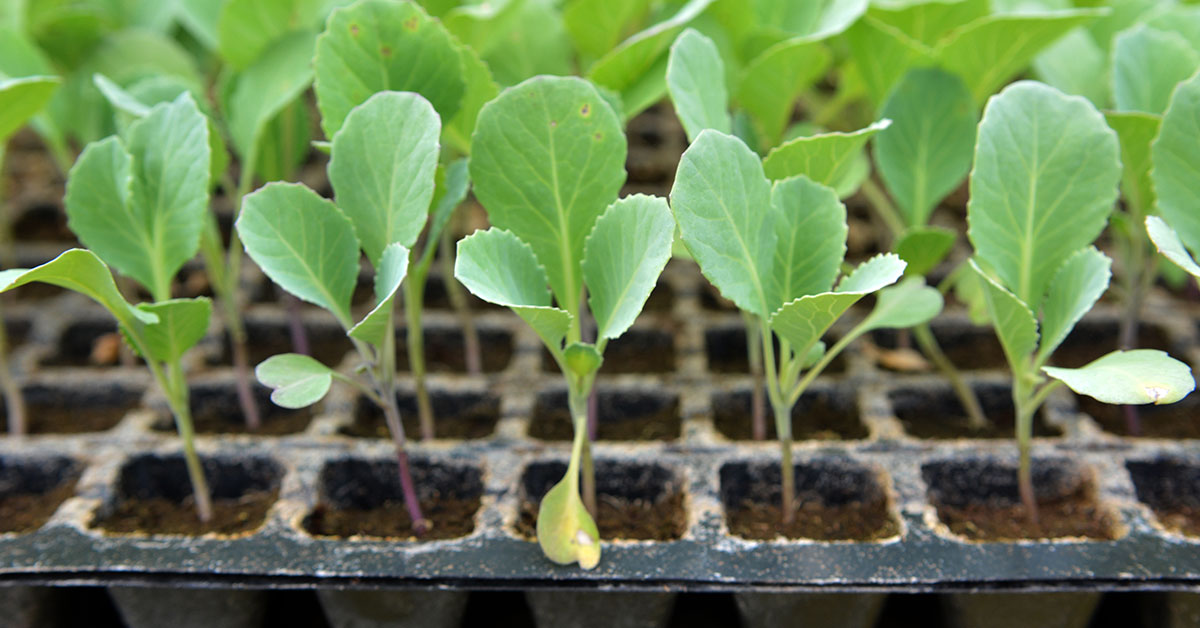
To determine the exact planting dates for cabbage in zone 8, you can reference the average last frost date and first frost date for your area. Generally, cabbage can be started indoors 6 to 8 weeks before the last frost date and transplanted into the garden when seedlings are around 4 to 6 weeks old.
Alternatively, you can also directly sow cabbage seeds in the garden during the recommended planting window. Make sure to plant the seeds at a depth of about ¼ to ½ inch (0.6 to 1.3 cm) and space them around 12 to 18 inches (30 to 45 cm) apart, depending on the variety.
Cabbage requires well-draining soil and prefers a pH level between 6.0 and 6.5. Adequate sunlight and regular watering are also essential for healthy growth. Mulching around the plants can help retain moisture and suppress weed growth.
By following these guidelines and considering the climate and specific conditions of your zone 8 location, you can ensure a successful cabbage harvest. Happy gardening!
When to harvest Cabbage in zone 8
In zone 8, the optimal time to harvest cabbage is typically in the late spring or early summer. This is usually around 70 to 90 days after transplanting seedlings or 90 to 110 days after sowing seeds directly in the garden. However, the exact timing can vary depending on the specific variety of cabbage you are growing and the weather conditions in your area. It is important to monitor the growth of your cabbage plants and look for signs that the heads are firm and solid before harvesting. Additionally, be mindful of any impending extreme heat or cold spells that may affect the quality of the cabbage.
Other considerations
When growing cabbage in zone 8, there are a few additional considerations to keep in mind:
- Timing: Cabbage is a cool-season crop that prefers temperatures between 45-75°F (7-24°C). In zone 8, it’s important to time your planting so that the cabbage matures before the hot summer temperatures arrive. Start seeds indoors 4-6 weeks before the last frost date, or plant transplants in early spring or late summer for a fall harvest.
- Sun exposure: Cabbage needs full sun to thrive, which means it requires at least 6-8 hours of direct sunlight per day. Ensure you choose a location in your garden that receives adequate sunlight throughout the day.
- Soil preparation: Cabbage prefers well-draining soil with a pH level between 6.0-7.5. Before planting, amend the soil with organic matter such as compost or well-rotted manure to improve drainage and fertility. If the soil is heavy clay, consider adding sand or perlite to improve aeration.
- Watering: Cabbage plants require consistent moisture, especially during the heat of summer. Water deeply and regularly, aiming for about 1 inch of water per week. However, avoid overwatering, as this can lead to root rot or disease. Mulching around the plants can help retain soil moisture and regulate temperature.
- Fertilizing: Cabbage is a heavy feeder and benefits from regular fertilization. Before planting, incorporate a balanced fertilizer into the soil. Additionally, side-dress the plants with a nitrogen-rich fertilizer, such as blood meal or fish emulsion, during the growing season to promote robust leafy growth.
- Pest and disease management: Cabbage can be susceptible to pests such as cabbage worms, aphids, and flea beetles, as well as diseases like clubroot and black rot. Monitor your plants regularly for any signs of infestation or disease, and take appropriate measures to control them, such as handpicking pests or applying organic insecticides. Crop rotation and good sanitation practices can also help reduce the risk of disease.
- Harvesting: Cabbage heads are ready for harvest when they reach the desired size and firmness. Cut the heads off at the base, leaving a few outer leaves intact to provide protection during storage. If you notice any signs of bolting (premature flowering), harvest the cabbage immediately, as the quality may deteriorate.
By considering these factors, you can successfully grow cabbage in zone 8 and enjoy a bountiful harvest.