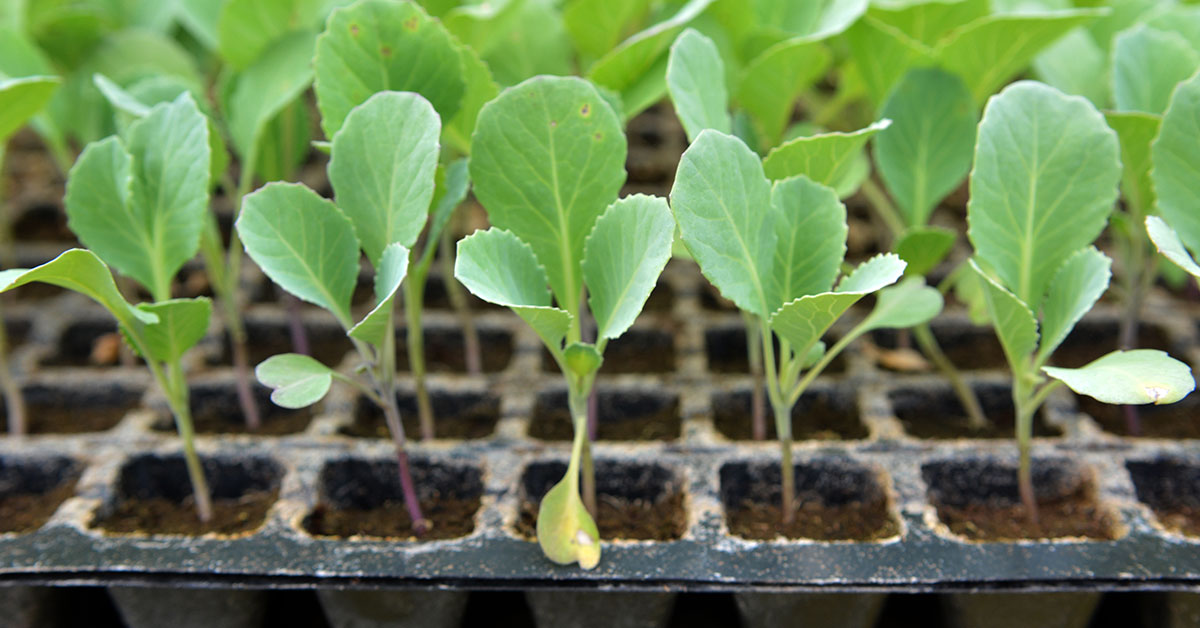

Are you a gardening enthusiast wanting to grow cabbage in zone 6 and wondering when is the optimal time to plant? Look no further, as this article will provide you with all the information you need to know about the best time to plant this versatile and nutritious vegetable in your region. Zone 6, which covers a wide range of states including parts of the Midwest and New England, has a unique climate that can greatly impact the success of your cabbage crop.
By understanding the specific weather patterns and frost dates in your area, you can ensure that you plant your cabbage at the perfect time, giving it the best chance to thrive and provide you with a bountiful harvest. So, let’s delve into the intricacies of zone 6 and discover the ideal timing for planting cabbage in this region.
What are good varieties of Cabbage for zone 6?
In Zone 6, there are several cabbage varieties that grow well. Here are a few recommendations:
- ‘Early Jersey Wakefield’: This is a classic early-season cabbage with pointed heads. It matures in about 65-70 days and is known for its sweet flavor and tender texture.
- ‘Copenhagen Market’: This is a mid-season cabbage that forms round, solid heads. It has a good resistance to splitting and can be harvested in approximately 70-75 days.
- ‘January King’: This is a late-season cabbage that produces large, flat heads with a purple outer layer and green inner leaves. It has excellent flavor and can be harvested in around 80-90 days.
- ‘Red Express’: This is a red cabbage variety that is quick to mature, usually in about 60-65 days. It has compact heads and is known for its vibrant color and crisp texture.
- ‘Golden Acre’: This is a compact cabbage variety that forms small to medium-sized heads. It matures in about 70-80 days and is popular for its tender, sweet flavor.
Remember to check the specific growing requirements for each variety and provide them with proper care, including regular watering, adequate spacing, and protection against pests and diseases.
When to plant Cabbage in zone 6
In gardening, hardiness zones are geographical regions that provide information about the average minimum temperature in a specific area. These zones help gardeners determine which plants are most suitable for their climate. In this case, you are located in zone 6.
Zone 6 is characterized by cold winters with average minimum temperatures ranging between -10°F (-23°C) and 0°F (-18°C). It covers regions such as parts of the Northeastern and Midwestern United States, including states like Pennsylvania, Ohio, and Illinois. The zone’s climate is suitable for a wide variety of plants, including cabbage.
When it comes to planting cabbage in zone 6, it is important to consider both the timing and the weather conditions. Cabbage is a cool-season crop that thrives in cooler temperatures, making it a great choice for zone 6. Here are the best times to plant cabbage in this zone:
- Spring Planting: Cabbage can be planted in early spring, typically around March or April, as soon as the soil is workable and the risk of frost has passed. It is important to keep in mind that cabbage prefers cooler temperatures, so aim to plant it before the temperatures start to rise significantly.
- Fall Planting: In zone 6, cabbage can also be planted in late summer or early fall, around August or September. This allows the plants to grow during the cooler months and mature before the first frost. Fall-grown cabbage tends to have a sweeter taste and may have fewer pest issues.
To ensure successful cabbage growth, follow these guidelines:
- Soil Preparation: Cabbage thrives in well-drained soil that is rich in organic matter. Prior to planting, amend the soil with compost or well-rotted manure to enhance fertility and drainage.
- Sunlight: Cabbage requires full sun exposure, which means it needs at least 6 hours of direct sunlight each day. Ensure your chosen planting location receives adequate sunlight.
- Spacing: Cabbage plants need sufficient space to grow. Space each plant about 12-18 inches apart in rows, leaving approximately 24-36 inches between rows.
- Watering: Cabbage plants require consistent moisture to grow properly. Ensure they receive about 1 inch of water per week, either through rainfall or manual watering.
- Pest and Disease Control: Cabbage can be susceptible to pests such as cabbage worms and diseases like clubroot. Implement proper pest management techniques, including the use of organic insecticides or companion planting strategies, to protect your cabbage plants.
By following these guidelines and considering the specific climate conditions of zone 6, you can successfully grow cabbage and enjoy a bountiful harvest.
When to harvest Cabbage in zone 6
In zone 6, the optimal time to harvest cabbage is typically in the late summer or early fall, around 70-90 days after transplanting seedlings or 90-120 days after sowing seeds directly in the ground. However, the specific timing can vary depending on the variety of cabbage you are growing. It is important to monitor the size and firmness of the cabbage heads to determine when they are ready for harvest. The heads should feel solid and have reached the desired size, usually around 6-8 inches in diameter. Additionally, keep an eye out for any signs of splitting or bolting, which may indicate that the cabbage is overripe and should be harvested immediately.
Other considerations
When growing cabbage in zone 6, there are several considerations to keep in mind:
- Timing: Cabbage is a cool-season crop and can tolerate frost, but it prefers milder temperatures between 60-70°F (15-21°C). Start seeds indoors 6-8 weeks before the last frost date, or directly sow seeds in early spring. In zone 6, you can also plant a fall crop by starting seeds indoors in mid-summer or sowing seeds outdoors in late summer.
- Sunlight: Cabbage requires at least 6 hours of direct sunlight per day. Choose a sunny location in your garden that receives ample sunlight throughout the day.
- Soil: Cabbage prefers well-draining soil with a pH between 6.0-6.8. Amend the soil with organic matter, such as compost, to improve its fertility and drainage. Avoid heavy clay soils that can become waterlogged.
- Watering: Cabbage requires consistent moisture to grow well. Water deeply and evenly, providing about 1 inch of water per week. Avoid overwatering, as it can lead to root rot and other diseases.
- Fertilization: Prior to planting, incorporate a balanced fertilizer into the soil to provide essential nutrients. Side-dress with nitrogen-rich fertilizer, such as blood meal or fish emulsion, when the plants start forming heads.
- Spacing: Cabbage plants need adequate space to grow and develop their heads. Space them about 12-24 inches apart, depending on the variety. Follow the spacing recommendations on the seed packet or plant label.
- Mulching: Mulching helps retain moisture, suppress weed growth, and maintain a more consistent soil temperature. Apply a layer of organic mulch around the base of the plants, such as straw or shredded leaves.
- Pest and disease management: Cabbage can be susceptible to pests like cabbage worms, aphids, and flea beetles, as well as diseases like clubroot and black rot. Monitor your plants regularly and take appropriate measures, such as handpicking pests, using organic insecticides, and practicing crop rotation, to prevent and manage these issues.
- Harvesting: Cabbage heads are ready to harvest when they feel firm and have reached their desired size. Cut the heads at the base using a sharp knife, leaving a few outer leaves intact. Store harvested cabbage in a cool, dark place or in the refrigerator to prolong its shelf life.
By considering these factors, you can successfully grow cabbage in zone 6 and enjoy a bountiful harvest.