
Are you a gardening enthusiast residing in zone 5 and eager to grow your own cabbage? Look no further, as we have gathered all the information you need to ensure a successful cabbage-planting experience. Zone 5, characterized by its cool climate and frosty winters, presents unique challenges and considerations when it comes to gardening. Understanding the best time to plant cabbage in zone 5 is crucial to maximize your harvest and cultivate healthy, robust plants.
In this article, we will dive into the specifics of zone 5’s growing conditions, discuss the ideal time to sow cabbage seeds or transplant seedlings, and provide essential tips to ensure your cabbage thrives in this region. Whether you’re a seasoned gardener or just starting out, read on to discover the secrets to a bountiful cabbage crop in zone 5.
What are good varieties for Cabbage for zone 5?
There are several good varieties of cabbage that are suitable for zone 5. Here are a few recommendations:
- ‘Early Jersey Wakefield’: This is a classic early-season cabbage variety that produces small to medium-sized heads. It has a sweet and tender flavor, making it great for coleslaw and salads.
- ‘Golden Acre’: This variety forms compact, round heads that are perfect for small gardens. It has a mild and sweet flavor, and it matures relatively quickly.
- ‘Red Express’: If you’re looking for a red cabbage variety, ‘Red Express’ is a good choice. It has vibrant red-purple leaves and produces medium-sized heads. It has a slightly peppery flavor and is great for salads and braising.
- ‘Stonehead’: This variety is known for its excellent cold tolerance. It forms dense, round heads that can weigh up to 4 pounds. It has a mild and sweet flavor and stores well.
- ‘January King’: This is a unique variety that is popular for its attractive appearance. It forms loose heads with crinkled leaves that have a blue-green color. It has a slightly sweet and robust flavor, and it is great for both raw and cooked preparations.
Remember to consider your specific growing conditions, such as sunlight, soil quality, and moisture levels, when selecting cabbage varieties for your zone 5 garden.
When to plant Cabbage in zone 5
In the United States, the hardiness zone system is a useful tool for gardeners to determine which plants can thrive in their particular region. Zone 5 is characterized by cold winters and mild summers, making it suitable for a variety of crops. When it comes to planting cabbage in zone 5, timing is crucial for a successful harvest.
Cabbage is a cool-season crop that prefers cooler temperatures for optimal growth. The best time to plant cabbage in zone 5 is in the early spring, as soon as the soil can be worked and temperatures consistently reach around 40-50°F (4-10°C). This is typically around late April or early May, but it can vary slightly depending on the specific climate of your area.
Before planting cabbage, it is essential to prepare the soil properly. Cabbage plants require well-draining soil that is rich in organic matter. Adding compost or well-rotted manure to the soil a few weeks before planting will help improve its fertility and structure.
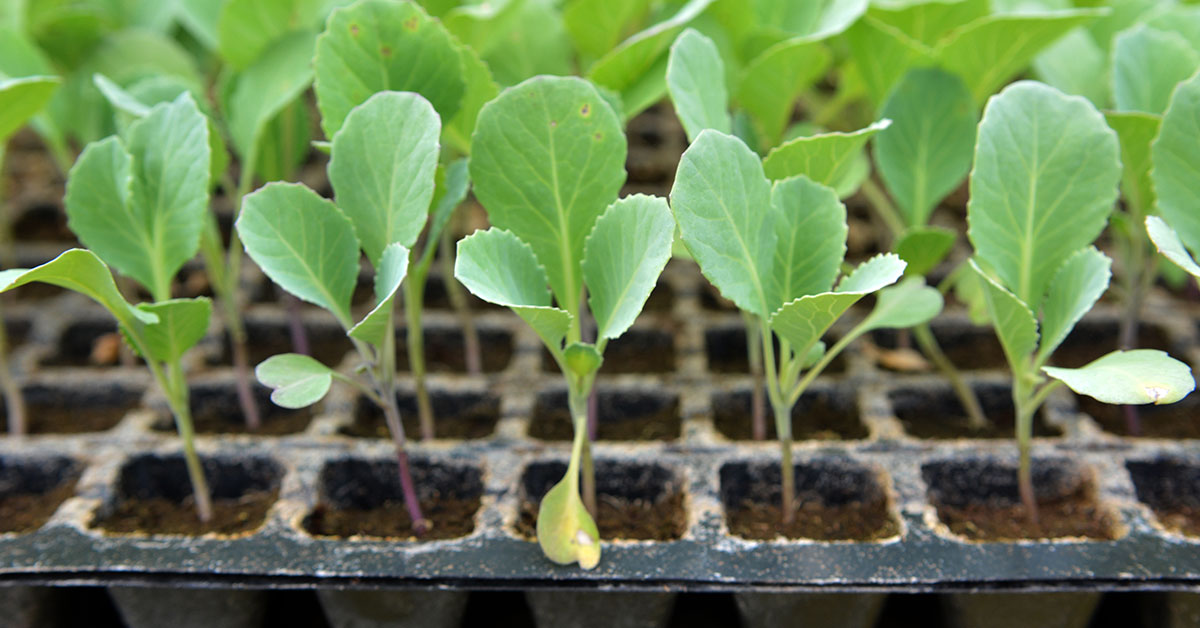
When planting cabbage seedlings, space them about 12-18 inches apart in rows, keeping in mind that cabbages grow quite large. Ensure that the seedlings are planted at the same depth as they were in their containers or seed trays. Gently firm the soil around the base of each seedling to provide stability.
Cabbage plants need consistent moisture to develop properly, so regular watering is crucial. Aim to keep the soil evenly moist but not waterlogged. Mulching around the plants can help retain soil moisture and suppress weed growth.
As the cabbage plants grow, it’s important to monitor for pests and diseases. Common pests include cabbage worms, aphids, and slugs. Regularly inspect the plants and take appropriate measures, such as handpicking pests or using organic insecticides, if necessary.
Harvesting time for cabbage in zone 5 usually occurs around 70-90 days after planting, depending on the specific variety. It’s best to harvest cabbage heads when they are firm and solid, before they split or become too mature. Use a sharp knife to cut the cabbage heads at the base, leaving a few outer leaves intact to protect the inner layers during storage.
By following these guidelines and paying attention to the specific needs of the cabbage plants, you can enjoy a bountiful harvest in zone 5. Happy gardening!
When to harvest Cabbage in zone 5
In zone 5, the optimal time to harvest cabbage is typically in the late summer or early fall. Cabbage is a cool-season crop and can tolerate mild frosts, so you want to harvest it before the first hard frost of the season. This usually occurs when the temperatures start dropping below 28°F (-2°C).
However, the exact timing of the harvest can vary depending on the specific variety of cabbage you are growing. Most cabbage varieties take around 70-90 days to mature from transplanting. You can check the seed packet or the information provided by the seed supplier for the recommended maturity date for your specific cabbage variety.
Additionally, you can look for some visual cues to determine if your cabbage is ready for harvest. The heads should feel firm and dense, with tight outer leaves. If the heads start to crack or split, it is a sign that they are over-mature and should be harvested immediately.
It’s important to monitor the weather conditions and plan your harvest accordingly to avoid any potential damage from frost or extreme weather.
Other considerations
When growing cabbage in zone 5, there are a few additional considerations to keep in mind:
- Timing: Cabbage is a cool-season crop and should be planted in early spring or late summer for a fall harvest. In zone 5, the last frost date is typically around mid to late April, so it’s important to start cabbage seeds indoors 6-8 weeks before the last frost date or purchase transplants from a local nursery.
- Sunlight: Cabbage plants require full sun, which means they need at least 6-8 hours of direct sunlight each day. Make sure to choose a location in your garden that receives adequate sunlight for optimal growth.
- Soil preparation: Prepare the soil before planting by adding organic matter such as compost or well-rotted manure to improve its fertility and drainage. Cabbage prefers a slightly acidic soil with a pH level between 6.0 and 6.8. Conduct a soil test to determine the pH level and make any necessary amendments.
- Spacing: Cabbage plants need enough space to grow and develop properly. Space transplants or seedlings 12-18 inches apart in rows that are 2-3 feet apart. Giving them enough room ensures good air circulation, which helps prevent diseases.
- Watering: Cabbage requires consistent moisture to thrive. Water the plants regularly, especially during dry periods, to keep the soil evenly moist. Avoid overwatering, as this can lead to root rot. Mulching around the plants can help retain soil moisture and prevent weed growth.
- Fertilization: Cabbage is a heavy feeder and benefits from regular fertilization. Prior to planting, incorporate a balanced fertilizer or compost into the soil. Once the plants are established, side-dress them with a nitrogen-rich fertilizer every few weeks to promote healthy growth and development.
- Pest and disease control: Cabbage is susceptible to various pests and diseases, such as cabbage worms, aphids, and clubroot. Monitor your plants regularly and take appropriate measures to control these issues, such as using organic insecticides or applying floating row covers to protect against pests. Rotate your cabbage crops each year to minimize the risk of disease buildup in the soil.
- Harvesting: Cabbage is ready to harvest when the heads feel firm and are fully formed. Cut the heads off at the base of the plant using a sharp knife. If you’re growing cabbage for its leaves rather than the heads, you can start harvesting outer leaves once they reach a usable size.
By considering these factors and providing the necessary care, you can successfully grow cabbage in zone 5.