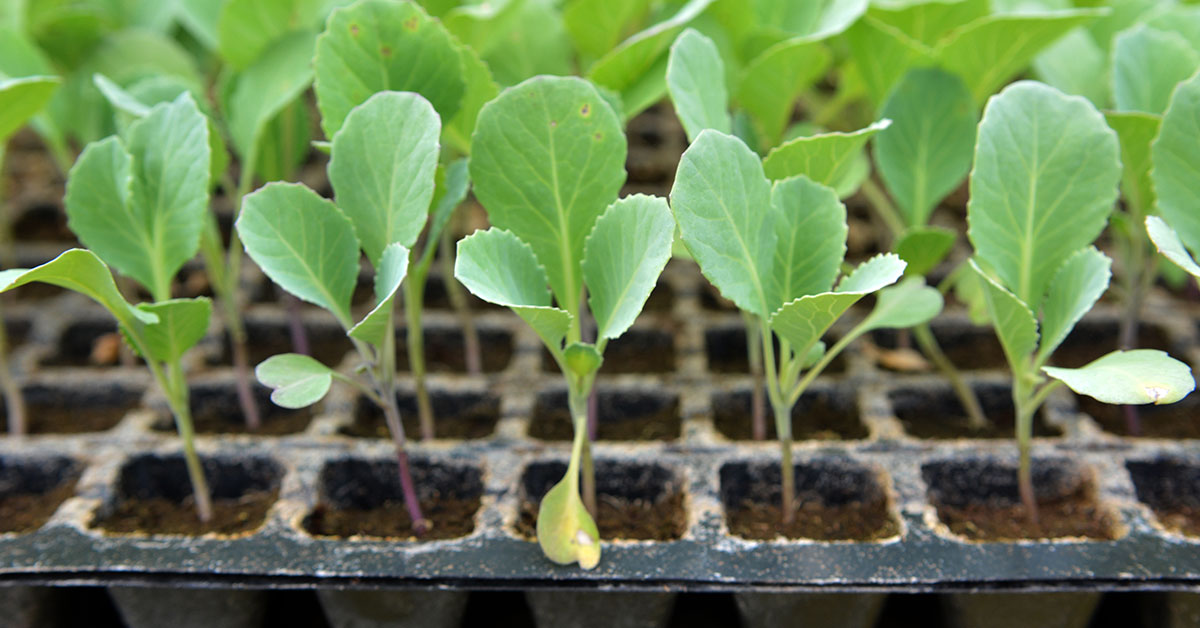

Welcome to the world of gardening in zone 4! If you’re a cabbage enthusiast or someone looking to grow this leafy green vegetable, you’ve come to the right place. Cabbage is a versatile and nutritious addition to any garden, but knowing the best time to plant cabbage in zone 4 is crucial for success.
Zone 4, which typically experiences cold winters and short growing seasons, presents unique challenges for gardeners. In this article, we will explore the optimal time to plant cabbage in zone 4, taking into consideration the frost dates and weather patterns specific to this region.
Whether you’re a seasoned gardener or a beginner, this guide will provide you with all the information you need to grow healthy and vibrant cabbage plants in zone 4. So, let’s dig in and discover the secrets of successful cabbage planting in this challenging climate!
What are good varieties of Cabbage in zone 4?
In zone 4, there are several good varieties of cabbage that thrive well. Here are a few recommendations:
- ‘Stonehead’: This variety is known for its ability to withstand cold temperatures and produces dense, round heads. It has a good flavor and is resistant to splitting.
- ‘Farao’: This is an early-maturing variety with a compact habit. It produces medium-sized, solid heads and has good resistance to diseases.
- ‘Copenhagen Market’: This is a classic variety that is popular for its excellent flavor. It forms medium-sized, round heads and is suitable for both early and late-season planting.
- ‘Golden Acre’: This variety is known for its compact size and early maturity. It produces small to medium-sized heads that have a sweet flavor and tender texture.
- ‘January King’: This variety is unique with its red and green outer leaves and is known for its excellent flavor. It has good resistance to cold and can be harvested throughout winter.
Remember to check the seed packets or consult with local nurseries to ensure that the specific variety is suitable for your microclimate within zone 4.
When to plant Cabbage in zone 4
In gardening, hardiness zones are an essential tool that helps determine the suitability of plants for specific regions. Hardiness zones are based on the average annual minimum temperature and provide gardeners with valuable information regarding the types of plants that can thrive in their area.
Zone 4 is characterized by cold winters and relatively short growing seasons. It typically experiences minimum temperatures ranging from -30 to -20 degrees Fahrenheit (-34 to -29 degrees Celsius). This means that plants selected for Zone 4 should be able to withstand these harsh conditions.
Cabbage is a cool-season crop that thrives in cooler temperatures, making it well-suited for Zone 4 gardens. The best time to plant cabbage in Zone 4 is in the early spring, as soon as the soil can be worked and has reached a temperature of around 45 to 75 degrees Fahrenheit (7 to 24 degrees Celsius). This usually occurs in April or May, depending on the specific location within Zone 4.
Before planting cabbage, it’s important to prepare the soil properly. Cabbage prefers well-drained soil that is rich in organic matter. It’s recommended to amend the soil with compost or well-rotted manure to improve its fertility and drainage capabilities. Additionally, cabbage plants should be spaced approximately 12 to 18 inches apart, allowing enough room for the heads to form properly.
To ensure a successful cabbage crop, it’s crucial to protect the young plants from frost. Cold frames, row covers, or even plastic tunnels can be used to safeguard the seedlings from late spring frosts. Cabbage requires consistent moisture throughout its growth, so regular watering is necessary, especially during dry spells.
Harvesting cabbage in Zone 4 typically occurs in late summer or early fall, before the first hard frost. Cabbage heads should be firm and compact, indicating that they are ready to be harvested. If the heads start to crack or split, it’s a sign that they have matured too long and should be harvested immediately.
By paying attention to the hardiness zone and planting cabbage at the appropriate time, gardeners in Zone 4 can enjoy a bountiful harvest of this nutritious and versatile vegetable.
When to harvest Cabbage in zone 4
In zone 4, the optimal time to harvest cabbage is typically in the late summer or early fall, when the heads have reached their desired size and are firm to the touch. This is usually around 70-90 days after transplanting the seedlings into the garden. However, it’s important to note that the exact timing may vary depending on the specific variety of cabbage you are growing and the weather conditions in your area. Keep an eye on the cabbage heads as they mature and harvest them before they start to crack or split, as this can affect their quality.
Other considerations
When growing cabbage in zone 4, there are several other considerations to keep in mind:
- Timing: It is important to start cabbage seeds indoors about 6-8 weeks before the last frost date in your area. Transplant the seedlings outdoors once the soil has warmed up and the danger of frost has passed. Alternatively, you can directly sow cabbage seeds in the garden once the soil temperature reaches around 45°F (7°C).
- Sunlight: Cabbage requires full sun exposure, which means it needs at least 6-8 hours of direct sunlight daily. Ensure that you choose a location in your garden that receives adequate sunlight throughout the day.
- Soil: Cabbage prefers well-draining soil that is rich in organic matter. Amend the soil with compost or well-rotted manure before planting to improve its fertility and drainage. Maintain a soil pH level between 6.0 and 7.5 for optimal growth.
- Watering: Adequate watering is essential for cabbage plants. Keep the soil consistently moist, especially during hot and dry periods. Avoid overwatering, as cabbage plants can be prone to diseases if their roots stay excessively wet.
- Mulching: Apply a layer of organic mulch, such as straw or shredded leaves, around the base of the cabbage plants. Mulching helps conserve soil moisture, suppress weed growth, and regulate soil temperature.
- Fertilization: Cabbage is a heavy feeder and benefits from regular fertilization. Apply a balanced fertilizer, such as a 10-10-10 or 14-14-14 formula, according to the package instructions. Side-dress the plants with a nitrogen-rich fertilizer once they start forming heads.
- Pest and disease control: Cabbage can be susceptible to various pests and diseases, including cabbage worms, aphids, slugs, and diseases like clubroot and cabbage yellows. Monitor your plants regularly for any signs of infestation or disease, and take appropriate measures to control them, such as using organic insecticides or practicing crop rotation.
- Harvesting: Cabbage heads are ready for harvest when they are firm and reach the desired size. Cut the head off at the base, leaving a few outer leaves intact to protect the inner core. Make sure to harvest before the heads split or bolt due to high temperatures.
By considering these factors, you can increase your chances of successfully growing cabbage in zone 4. Happy gardening!