
Are you itching to get your hands dirty and start planting some cabbage in zone 3? As an experienced gardener, I understand the importance of timing when it comes to planting vegetables. Zone 3 may have a shorter growing season and cooler temperatures, but that doesn’t mean you can’t grow delicious and hearty cabbage. In this article, we will explore the best time to plant cabbage in zone 3, taking into consideration the frost dates, soil temperature, and other factors that can affect the success of your cabbage crop.
By following these guidelines, you’ll be well on your way to harvesting a bountiful crop of cabbage that will make your taste buds sing. So, grab your gardening gloves and let’s dive into the wonderful world of growing cabbage in zone 3!
Best varieties of cabbage to grow in zone 3
In Zone 3, where the growing season is short and temperatures can be quite cold, it’s important to choose cabbage varieties that are adapted to these conditions. Here are a few good varieties for Zone 3:
- ‘Farao’: This is an early-maturing variety that can be harvested in about 60-70 days. It is known for its excellent flavor, solid heads, and resistance to splitting.
- ‘Golden Acre’: This is a compact variety that produces small to medium-sized heads. It has good cold tolerance and can be harvested in around 70-80 days.
- ‘Red Express’: If you’re looking for a red cabbage, ‘Red Express’ is a good choice. It has a shorter growing season of about 60-70 days and produces small to medium-sized heads with a beautiful red color.
- ‘January King’: This is a versatile variety that can be harvested as both a green cabbage or left to mature into a savoy cabbage. It has good winter hardiness and can withstand cold temperatures.
- ‘Stonehead’: This variety is known for its solid, dense heads that are resistant to splitting. It has a shorter maturity period of about 60-70 days.
Remember to start cabbage seeds indoors 4-6 weeks before the last frost date and transplant them into the garden once the soil has warmed up and all danger of frost has passed. Cabbage plants prefer cool temperatures and consistent moisture, so make sure to provide them with adequate water and protection from extreme heat.
When to plant Cabbage in zone 3
Hardiness zones are geographical areas that are categorized based on their average annual extreme minimum temperatures. They provide gardeners with information about which plants are most likely to thrive in their specific region. In the United States, the hardiness zone map was developed by the United States Department of Agriculture (USDA) and is widely used by gardeners across the country.
Zone 3 is characterized by very cold winter temperatures, with average minimum temperatures ranging from -40°F to -30°F (-40°C to -34°C). This means that plants grown in this zone need to be able to withstand extremely cold temperatures and have a shorter growing season.
When it comes to planting cabbage in zone 3, it is essential to consider both the timing and the variety of cabbage you choose to grow. Cabbage is a cool-season vegetable that prefers to grow in cooler temperatures. In zone 3, the best time to plant cabbage is in early spring, as soon as the soil can be worked and has thawed out.
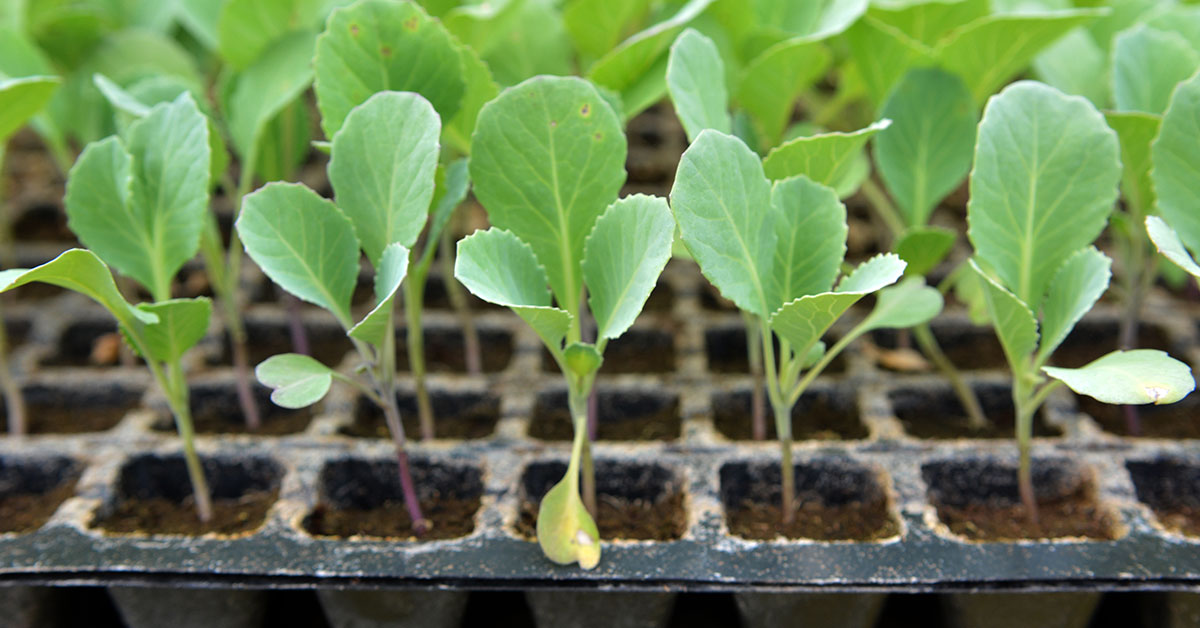
To determine the specific planting date for cabbage in zone 3, you can use the average frost-free date as a guide. This date typically falls between late May and early June, depending on your exact location within the zone. It is recommended to start cabbage seeds indoors about 6-8 weeks before the last frost date. Once the seedlings have grown to about 4-6 inches in height and the danger of frost has passed, they can be transplanted into the garden.
When selecting cabbage varieties for zone 3, it is crucial to choose those that are known for their cold tolerance. Some suitable options include varieties like ‘Golden Acre,’ ‘Red Express,’ ‘Alcosa,’ and ‘Stonehead.’ These varieties have been bred to withstand colder temperatures and have shorter maturity dates, making them more likely to reach maturity before the first frost in the fall.
In addition to selecting cold-hardy varieties, it is also essential to provide cabbage plants with proper care throughout the growing season. This includes regular watering, fertilizing, and protection from pests and diseases. Mulching around the plants can help retain moisture and regulate soil temperature, which is especially important in colder regions.
By paying attention to the hardiness zones and selecting appropriate cabbage varieties, you can increase your chances of successful cabbage cultivation in zone 3. Happy gardening!
When to harvest Cabbage in zone 3
In zone 3, the optimal time to harvest cabbage is typically in the late summer or early fall, around 70-90 days after transplanting. Cabbage is a cool-season crop that can tolerate light frosts, so you can leave it in the ground for a longer period if needed. However, it is important to harvest before the first hard frost, as this can damage the crop. To determine if your cabbage is ready for harvest, check the size and firmness of the heads. They should be solid, dense, and reach their mature size based on the variety you are growing. Additionally, pay attention to the color of the outer leaves; they should be a vibrant green. If you notice any signs of splitting or yellowing, it’s best to harvest the cabbage as soon as possible.
Other considerations
When growing cabbage in zone 3, there are several important considerations to keep in mind:
- Cold tolerance: Cabbage is a cold-hardy vegetable, but different varieties have varying levels of cold tolerance. Look for cabbage varieties specifically bred for colder climates and shorter growing seasons.
- Timing: Start cabbage seeds indoors 6-8 weeks before the last frost date in your area. Transplant the seedlings outdoors when the soil has warmed up and there is no longer a risk of frost. Additionally, consider succession planting to ensure a continuous harvest throughout the growing season.
- Soil preparation: Cabbage prefers well-draining soil that is rich in organic matter. Before planting, amend the soil with compost or well-rotted manure to improve its fertility and drainage. Aim for a soil pH between 6.0 and 7.5.
- Sun exposure: Cabbage requires at least 6 hours of direct sunlight per day. Choose a location in your garden that receives ample sunlight throughout the day.
- Watering: Cabbage plants need consistent moisture, especially during the hot summer months. Water deeply and evenly, providing approximately 1 inch of water per week. Mulching around the plants can help retain soil moisture and prevent weed growth.
- Fertilization: Prior to planting, incorporate a balanced organic fertilizer into the soil. As the cabbage plants grow, side-dress them with a nitrogen-rich fertilizer every few weeks to promote healthy leafy growth.
- Pest and disease control: Cabbage is susceptible to various pests and diseases, such as cabbage worms, aphids, and clubroot. Implement preventive measures like using row covers, regularly inspecting plants for pests, and practicing crop rotation to minimize these issues. If necessary, apply organic insecticides or use companion planting techniques to deter pests naturally.
- Harvesting: Harvest cabbage heads when they reach the desired size and firmness. Cut the heads off at the base with a sharp knife. If you notice any signs of disease or damage, remove the affected plants promptly to prevent the spread to other cabbage plants.
By considering these factors, you can successfully grow cabbage in zone 3 and enjoy a bountiful harvest.