
Cabbage, a nutritious and versatile vegetable, thrives in a variety of climates, including the colder regions of zone 2. As an experienced gardener, I understand the importance of timing when it comes to planting cabbage to ensure a successful harvest. In this article, we will explore the best time to plant cabbage in zone 2, taking into consideration the specific requirements of this hardy crop and the unique climate of the region.
Whether you are a seasoned gardener or just starting out, understanding the optimal planting time will help you maximize your cabbage yield and enjoy the freshest, homegrown produce in your zone 2 garden.
Best varieties of cabbage to grow in Zone 2
In Zone 2, which experiences very cold winters, it is important to choose cabbage varieties that are hardy and can withstand the extreme temperatures. Here are some good cabbage varieties for Zone 2:
- ‘Golden Acre’: This variety is a compact cabbage with small heads that are round and tightly packed. It has good cold tolerance and matures relatively early.
- ‘Farao’: Farao is a mid-sized cabbage that is known for its excellent cold tolerance. It produces firm, round heads with a mild flavor.
- ‘January King’: This variety is an heirloom cabbage that is highly regarded for its exceptional winter hardiness. It produces large, cone-shaped heads with attractive purple outer leaves and a sweet flavor.
- ‘Savoy Perfection’: Savoy cabbage is known for its crinkled leaves and tender texture. ‘Savoy Perfection’ is a hardy variety that can tolerate colder temperatures and produces medium-sized heads.
- ‘Red Express’: If you prefer red cabbage, ‘Red Express’ is a good choice for Zone 2. It is a compact variety that produces small to medium-sized heads with deep red leaves.
When growing cabbage in Zone 2, it is important to start the seeds indoors early in the spring and transplant them outdoors once the soil has warmed up. Provide them with adequate moisture, fertilizer, and protection from pests. Additionally, consider using row covers or other protective measures to extend the growing season in fall and early winter.
When to plant Cabbage in zone 2
In gardening, hardiness zones are used to determine the suitability of plants for specific regions based on their ability to withstand the average minimum temperatures of that area. Zone 2 is known for its very cold winters, with average minimum temperatures ranging from -50°F to -40°F (-45°C to -40°C). This makes it a challenging environment for many plants.
When it comes to planting cabbage in zone 2, it’s important to choose a variety that is adapted to cold climates and has a shorter growing season. Cabbage is a cool-season crop and can tolerate some frost, but extreme cold temperatures can damage or even kill the plants.
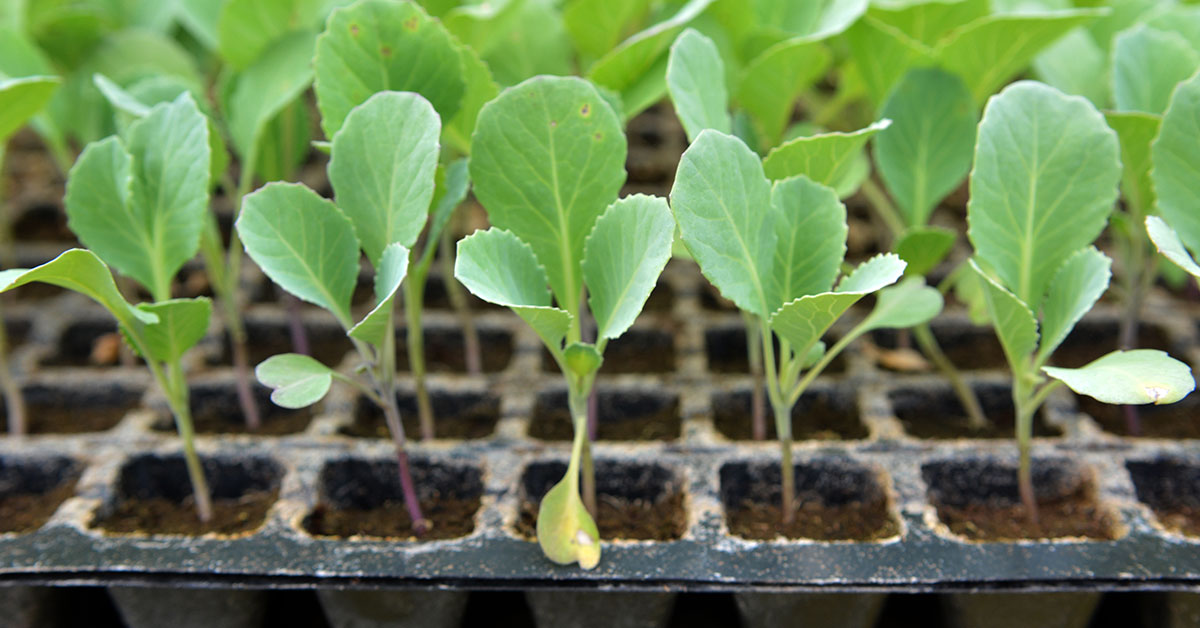
To give your cabbage the best chance of success in zone 2, it’s recommended to start seeds indoors or in a greenhouse about 6-8 weeks before the last frost date. This will allow the seedlings to grow and become stronger before transplanting them outdoors.
The best time to transplant cabbage seedlings into the garden in zone 2 is typically in late spring or early summer when the soil has warmed up and there is no longer a risk of frost. It’s important to monitor local weather conditions and ensure that the ground is workable and not too saturated.
Before transplanting, make sure to prepare the soil by adding organic matter such as compost or well-rotted manure to improve fertility and drainage. Cabbage plants prefer a slightly acidic soil with a pH of around 6.5.
When planting cabbage seedlings, space them about 12-18 inches apart in rows, with rows spaced 2-3 feet apart. This will provide enough room for the plants to grow and develop their heads.
Cabbage requires consistent moisture to grow well, so make sure to water the plants regularly, especially during dry periods. Applying a layer of organic mulch around the plants can help retain moisture, suppress weeds, and regulate soil temperature.
It’s also a good idea to protect your cabbage plants from pests, such as cabbage worms or aphids, which can be more prevalent in cooler climates. Consider using row covers or organic pest control methods to prevent damage.
Harvesting time for cabbage varies depending on the variety, but generally, you can start harvesting when the heads feel firm and solid. Cut the heads off at the base of the plant, leaving a few outer leaves intact to protect the inner core.
By following these guidelines and selecting appropriate cabbage varieties for zone 2, you can enjoy a successful cabbage harvest in your garden. Happy gardening!
When to harvest Cabbage in zone 2
In Zone 2, which is characterized by very cold winters and short growing seasons, the optimal time to harvest cabbage is typically in late summer or early fall. Cabbage generally takes around 70 to 100 days to mature, so it’s important to start counting from the date of transplanting or sowing seeds. You can harvest cabbage when the heads are firm and have reached a desirable size, usually around 6 to 8 inches in diameter. Keep in mind that cabbage can tolerate some frost, so you can leave it in the ground even as temperatures start to drop, but make sure to harvest before the ground freezes completely.
Other considerations
When growing cabbage in zone 2, there are several other considerations to keep in mind:
- Variety Selection: Choose cabbage varieties that are suitable for cooler climates and have a shorter growing season. Look for varieties specifically labeled as cold-hardy or suitable for northern regions.
- Timing: Start your cabbage seeds indoors 6-8 weeks before the last frost date. Transplant the seedlings outdoors when the soil temperature reaches around 45°F (7°C). Cabbage can tolerate light frost, but it’s best to avoid planting them too early in the spring or too late in the fall.
- Soil Preparation: Prepare the soil well in advance. Cabbages prefer well-draining soil rich in organic matter. Amend the soil with compost or well-rotted manure to improve its fertility and structure. Test the soil pH and ensure it is slightly acidic to neutral (6.0-7.0).
- Sunlight and Location: Cabbages need at least 6-8 hours of direct sunlight daily. Choose a location that receives ample sunlight and is protected from strong winds.
- Spacing: Provide enough space between cabbage plants for proper air circulation and to allow the heads to develop fully. Space seedlings about 12-24 inches apart, depending on the variety.
- Watering: Cabbage requires consistent moisture to grow well. Water regularly, aiming to keep the soil evenly moist but not waterlogged. Mulching around the plants can help retain moisture and regulate soil temperature.
- Fertilization: Apply a balanced organic fertilizer or compost at planting time to provide necessary nutrients. Side-dress with additional fertilizer halfway through the growing season to support healthy growth.
- Pest and Disease Management: Keep an eye out for common pests such as cabbage worms, aphids, and slugs, and take appropriate measures to control them. Regularly inspect your plants for signs of disease, such as black rot or clubroot, and promptly remove and destroy infected plants to prevent the spread.
- Crop Rotation: Practice crop rotation to prevent the buildup of pests and diseases. Avoid planting cabbage in the same spot where you grew other brassica crops (such as broccoli or cauliflower) in the previous year.
- Harvesting: Harvest cabbage heads when they reach their desired size and have a firm texture. Cut the heads off at the base, leaving a few outer leaves intact for protection while storing. Cabbage can also be harvested by cutting off individual outer leaves as needed, allowing the inner leaves to continue growing.
By considering these factors, you can maximize your chances of successfully growing cabbage in zone 2.