
Welcome to the world of gardening in zone 13! If you’re a cabbage lover or aspiring vegetable grower, you’ve come to the right place. Cabbage, a versatile and nutritious vegetable, thrives in this tropical climate. However, like any plant, it has its own preferences and needs. To ensure a successful harvest, it is crucial to understand the best time to plant cabbage in zone 13.
In this article, we will delve into the ideal planting window, taking into account the region’s weather patterns and seasonal variations. Whether you’re a seasoned gardener or a beginner, this guide will equip you with the knowledge to grow healthy and bountiful cabbage plants all year round. So grab your gardening tools and let’s get started on this exciting journey!
Best varieties of cabbage to grow in Zone 13
In zone 13, which is a warm and tropical climate, it is important to choose cabbage varieties that are heat-tolerant and less prone to bolting. Here are some good cabbage varieties for zone 13:
- Savoy Cabbage: Savoy cabbages have crinkled leaves and are known for their excellent flavor. They are more heat-tolerant compared to other cabbage varieties.
- Chinese Cabbage (Bok Choy): Bok choy is a leafy green cabbage variety that is commonly used in Asian cuisine. It grows well in hot climates and can be harvested at various stages, from baby leaves to mature heads.
- Napa Cabbage: Napa cabbage is another popular Asian variety that performs well in warmer climates. It has a mild flavor and is great for salads, stir-fries, and kimchi.
- Red Express Cabbage: This is a compact variety with a deep red color. It is heat-tolerant and matures relatively quickly, making it suitable for zone 13 gardens.
- Golden Acre Cabbage: Golden Acre is a classic green cabbage variety that is known for its compact heads and excellent flavor. It can tolerate some heat but may require some shade during the hottest months.
- Early Jersey Wakefield Cabbage: This is an heirloom variety that is known for its early maturity and heat tolerance. It produces pointed heads and has a sweet flavor.
Remember to provide your cabbage plants with adequate water and some shade during the hottest parts of the day in order to help them thrive in the warm climate of zone 13.
When to plant Cabbage in zone 13
In gardening, understanding the hardiness zones is crucial to determine the suitability of various plants for specific regions. The United States Department of Agriculture (USDA) has divided the country into several hardiness zones based on average annual minimum temperatures. Zone 13 is a tropical zone, typically characterized by warm temperatures year-round.
When it comes to planting cabbage in zone 13, it is important to consider the optimal growing conditions for this cool-season crop. Cabbage prefers cool temperatures, making it more challenging to grow in tropical regions. However, with proper care and timing, it is still possible to have a successful cabbage harvest in zone 13.
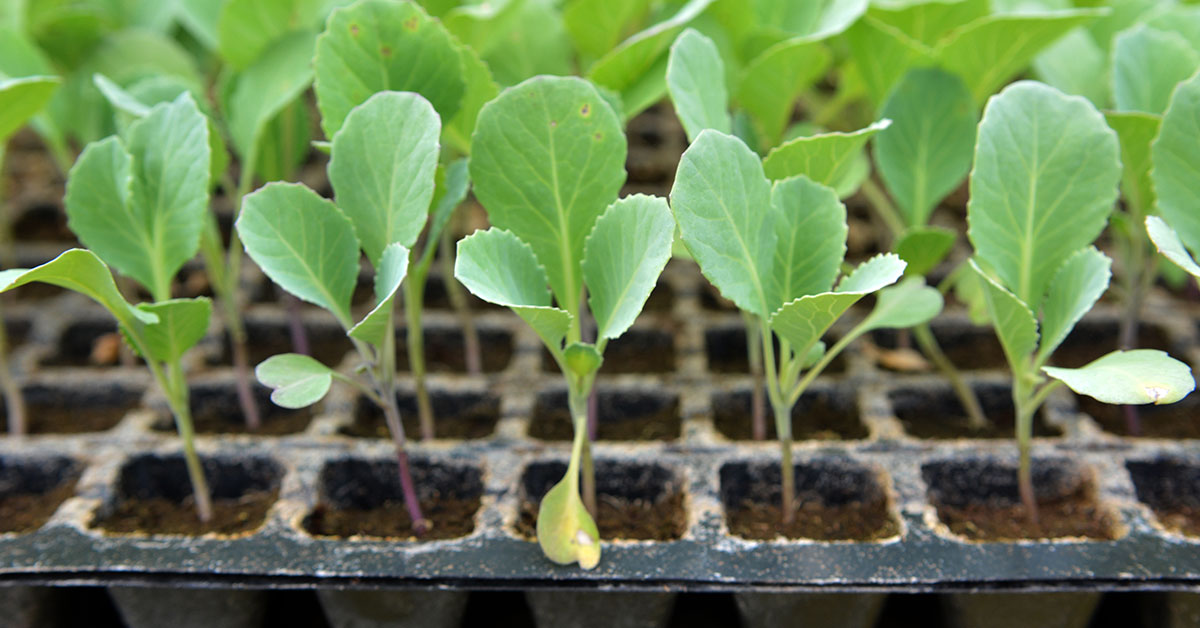
The best time to plant cabbage in zone 13 is during the cooler months of the year when temperatures are milder. It is recommended to start cabbage seeds indoors about 6-8 weeks before the anticipated planting date. This gives the seedlings enough time to grow and develop before they are transplanted into the garden.
In zone 13, the ideal time to transplant cabbage seedlings into the garden is during the fall or early winter, when temperatures start to cool down. The specific timing may vary depending on the exact location within zone 13, as some areas might experience slightly different weather patterns. It is advisable to consult with local gardening resources or experienced gardeners in your area to get more precise information about planting dates.
Additionally, it is important to choose cabbage varieties that are more tolerant of warmer temperatures. Look for varieties that are specifically labeled as heat-tolerant or suitable for tropical climates. These cultivars are bred to withstand higher temperatures and are more likely to perform well in zone 13.
To ensure successful cabbage growth, provide the plants with adequate sunlight, water, and well-drained soil. Regularly monitor moisture levels and avoid overwatering, as excessive moisture can lead to fungal diseases. Applying a layer of organic mulch around the plants can help retain moisture and regulate soil temperature.
By following these guidelines and adapting to the unique conditions of zone 13, you can have a rewarding cabbage harvest, even in a tropical climate. Remember to keep track of local weather patterns and consult with local gardening experts for more specific information on planting cabbage in your area.
When to harvest Cabbage in zone 13
In zone 13, the optimal time to harvest cabbage is typically between late fall and early spring. Cabbage is a cool-season crop, so it thrives in cooler temperatures. It is important to monitor the maturity of the cabbage heads to ensure they are fully developed before harvesting. This is usually indicated by a firm and solid head. Avoid waiting too long to harvest as the heads may become loose and prone to splitting.
Other considerations
When growing cabbage in zone 13, there are a few additional considerations to keep in mind:
- Temperature: Zone 13 typically has warm to hot temperatures year-round. Cabbage prefers cool temperatures and can be sensitive to extreme heat. To protect your cabbage from the heat, you can provide some shade using shade cloth or plant them in a location that receives partial shade during the hottest parts of the day.
- Watering: With the warm climate in zone 13, cabbage plants may require more frequent watering to keep the soil consistently moist. Avoid overwatering, as this can lead to root rot. It’s best to water deeply and allow the top few inches of soil to dry out slightly between waterings.
- Timing: In zone 13, you may need to adjust your planting schedule for cabbage. Since the climate is generally warm, it’s best to plant cabbage in the cooler months when temperatures are milder. Planting in late summer or early fall can help ensure that the cabbage heads develop properly before the onset of extreme heat.
- Pests and diseases: Cabbage can be susceptible to certain pests and diseases, regardless of the zone. Common pests include cabbage worms, aphids, and cabbage loopers. Regularly inspect your plants and take appropriate measures to control these pests, such as handpicking or using organic pest control methods. Additionally, keep an eye out for diseases like clubroot and black rot, and promptly remove and dispose of any infected plants to prevent the spread.
- Fertilizing: Proper fertilization is crucial for healthy cabbage plants. Add organic matter or compost to the soil before planting to provide essential nutrients. It’s also recommended to use a balanced fertilizer during the growing season, following the package instructions for application rates and frequency.
- Crop rotation: To prevent the buildup of pests and diseases, practice crop rotation in your garden. Avoid planting cabbage or any other brassicas in the same spot for consecutive years. Instead, rotate with unrelated crops such as legumes or nightshades.
By considering these factors, you can increase the success of growing cabbage in zone 13 and enjoy a bountiful harvest.