
When it comes to growing cabbage in zone 10, timing is everything. This warm and sunny region presents unique challenges and opportunities for gardeners looking to cultivate this leafy green vegetable. With its ability to thrive in cooler temperatures, cabbage is a versatile crop that can bring both flavor and nutrition to your table.
However, understanding the best time to plant cabbage in zone 10 is crucial for ensuring a successful harvest. In this article, we will explore the optimal planting window, taking into account the specific climate and growing conditions of this region.
Whether you are a seasoned gardener or a beginner, the following information will guide you towards making the right decisions and maximizing the potential of your cabbage crop in zone 10.
Best varieties of cabbage to grow in Zone 10
In zone 10, where the climate is warm and sunny, it’s important to choose cabbage varieties that can tolerate heat and have a shorter growing season. Here are a few good varieties of cabbage that perform well in zone 10:
- Chinese Cabbage (Napa cabbage): Napa cabbage is a popular variety that grows well in warmer climates. It has a mild, sweet flavor and is great for stir-fries, salads, and pickling.
- Red Express: This is a red cabbage variety that is known for its early maturity and heat tolerance. It forms small to medium-sized heads and has a rich, sweet flavor.
- Savoy Express: Savoy cabbage is known for its crinkled leaves and tender texture. Savoy Express is a heat-tolerant variety that forms small to medium-sized heads. It has a mild, slightly sweet flavor.
- Early Jersey Wakefield: This is a classic heirloom cabbage variety that matures early and performs well in warmer climates. It forms small, conical heads and has a sweet flavor.
- Copenhagen Market: Copenhagen Market is a compact cabbage variety with solid, round heads. It is heat-tolerant and has a mild flavor. It is a good choice if you have limited space in your garden.
Remember to provide your cabbage plants with regular water and some shade during the hottest part of the day to help them thrive in the warm climate of zone 10.
When to plant Cabbage in zone 10
In gardening, understanding the hardiness zones is crucial as it helps determine the best time to plant various crops based on the local climate. In the United States, the USDA Hardiness Zone Map divides the country into different zones based on the average minimum winter temperature in each region.
Zone 10 is characterized by mild winters and hot summers, making it ideal for growing a wide variety of plants, including cabbage. In this zone, the average minimum temperature ranges from 30 to 40 degrees Fahrenheit (-1 to 4 degrees Celsius).
When it comes to planting cabbage in Zone 10, it’s important to consider both the temperature and the length of the growing season. Cabbage is a cool-season crop that prefers cooler temperatures for optimal growth. In Zone 10, the best time to plant cabbage is during the cooler months to avoid the scorching heat of summer, which can negatively affect the plant’s growth.
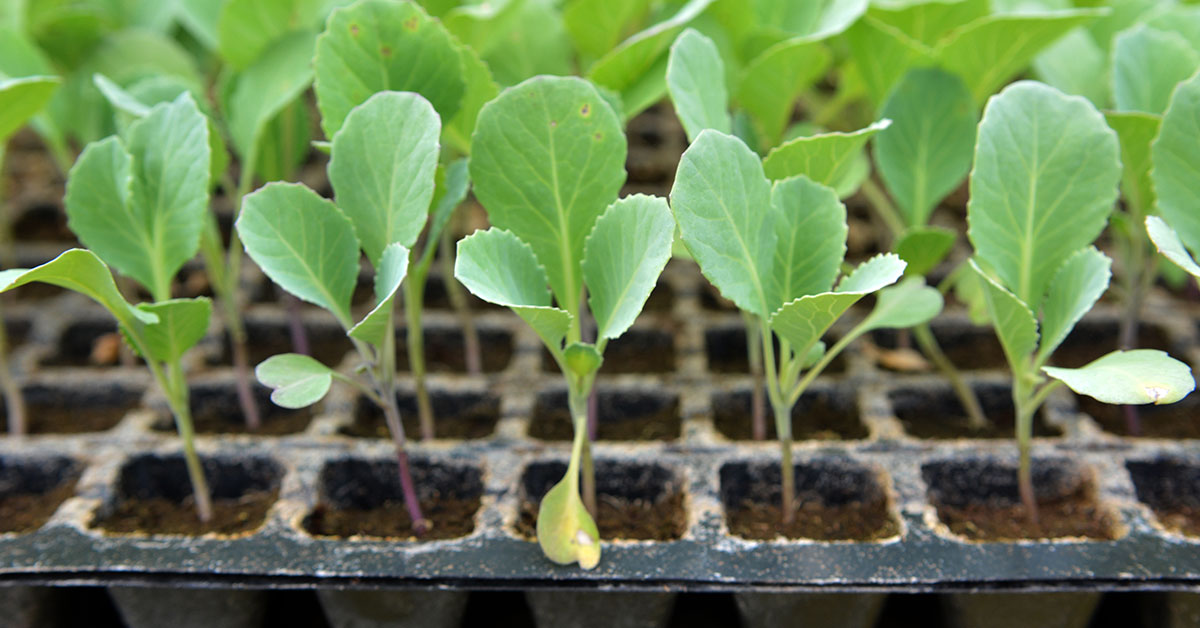
Typically, cabbage seeds can be sown directly in the garden or started indoors and then transplanted. For Zone 10, starting cabbage seeds indoors around late summer or early fall is recommended. This allows the plants to establish themselves during the cooler months and develop strong roots before the arrival of hot summer temperatures.
Once the seedlings have grown a few inches tall and have a few true leaves, they can be transplanted into the garden. This is usually done around late fall or early winter in Zone 10, taking advantage of the cooler temperatures and ample moisture. It’s important to ensure the soil is well-drained, fertile, and amended with organic matter to provide the necessary nutrients for the cabbage plants.
Throughout the growing season, it’s essential to monitor the moisture levels and water the cabbage plants regularly. Mulching around the plants can help conserve moisture and prevent weed growth. Additionally, cabbage plants benefit from regular fertilization to support their growth and development.
Harvesting time for cabbage in Zone 10 will typically occur during the late winter or early spring months, depending on the specific variety planted. Keep an eye on the size and firmness of the heads to determine when they are ready to be harvested.
By considering the local hardiness zone and the specific needs of cabbage plants, you can ensure a successful and bountiful harvest of this nutritious and delicious vegetable in Zone 10. Happy gardening!
When to harvest Cabbage in zone 10
In Zone 10, the optimal time to harvest cabbage is typically in the late fall to early winter months. Cabbage plants generally take about 70 to 90 days to reach maturity, depending on the variety. It’s best to keep an eye on the size and firmness of the cabbage heads as they grow. When the heads are firm and have reached the desired size (usually around 6 to 8 inches in diameter), you can harvest them. Be sure to harvest before the heads start to split or become too loose.
Other considerations
When growing cabbage in zone 10, there are several additional considerations to keep in mind:
- Temperature: Cabbage prefers cool temperatures and can struggle with heat stress in zone 10. To mitigate this, choose cabbage varieties that are heat-tolerant or suitable for warmer climates. Provide some shade during the hottest part of the day using shade cloth or by planting taller crops nearby to provide some relief from the sun.
- Watering: Cabbage requires consistent moisture to grow well. In zone 10, where the temperatures can be high, it is important to provide adequate irrigation. Water deeply and regularly, ensuring the soil remains moist but not waterlogged. Mulching around the plants can help retain moisture and regulate soil temperature.
- Soil: Cabbage grows best in well-drained soil with a pH between 6.0 and 7.5. Amend the soil with organic matter such as compost or well-rotted manure to improve its structure and fertility. Adding a layer of mulch around the plants will also help to conserve soil moisture and regulate temperature.
- Timing: In zone 10, cabbage is typically grown as a winter or early spring crop when temperatures are cooler. Start seeds indoors or purchase transplants to get a head start on the growing season. Plant the transplants in early fall for a winter harvest or in early spring for a spring harvest, ensuring they have enough time to mature before the summer heat sets in.
- Pests and diseases: Cabbage can be susceptible to various pests and diseases, including aphids, cabbage worms, and clubroot. Monitor your plants regularly for signs of infestation or disease and take appropriate measures, such as using organic insecticides or rotating crops, to manage the issues.
- Crop rotation: Rotate cabbage and other brassica crops to different areas of your garden each year to minimize the risk of soil-borne diseases and pests building up in the soil.
- Fertilization: Cabbage is a heavy feeder and benefits from regular feeding. Apply a balanced organic fertilizer before planting and side-dress with additional fertilizer during the growing season to ensure optimal growth and development.
By considering these factors, you can increase your chances of successful cabbage cultivation in zone 10.