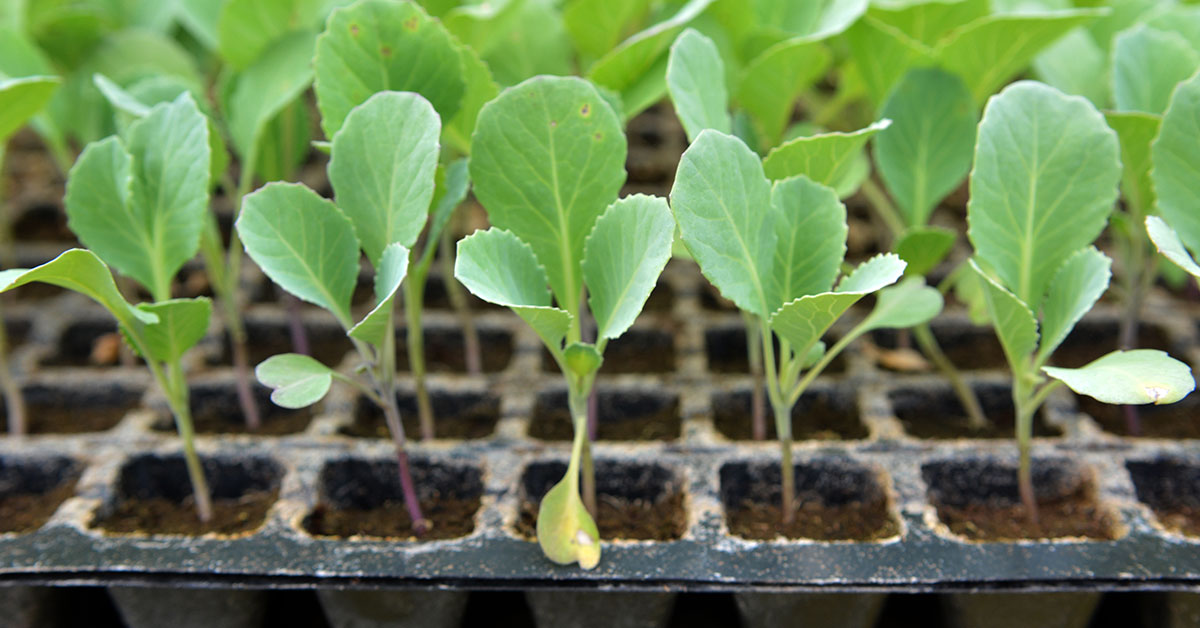

Welcome to the world of gardening in Zone 1! If you’re a cabbage lover and eager to grow your own delicious and nutritious heads of cabbage, you’ve come to the right place. Zone 1, which encompasses regions with extremely cold and harsh climates, presents its own unique challenges for gardeners. In this article, we will delve into the best time to plant cabbage in Zone 1, taking into consideration the frost dates, temperature requirements, and other factors that will help ensure a fruitful harvest. So grab your gardening tools and let’s get started on this exciting journey of growing cabbage in Zone 1!
Best cabbage varieties to grow in zone 1
In Zone 1, where temperatures can be extremely cold, it can be challenging to grow cabbage. However, there are a few cabbage varieties that are better suited for colder climates. Here are some options:
- ‘January King’: This is a popular variety known for its excellent cold tolerance. It produces medium-sized, round cabbages with purple outer leaves and a sweet flavor.
- ‘Savoy King’: This variety is a type of savoy cabbage, which has crinkled leaves. ‘Savoy King’ is particularly hardy and can withstand frosty conditions. It produces large, dense heads with a mild flavor.
- ‘Golden Acre’: This is a compact variety that is well-adapted to cold climates. ‘Golden Acre’ forms small to medium-sized heads with tender, sweet leaves.
- ‘Perfection Drumhead’: This is a late-maturing variety that is quite hardy. It produces large, round heads with thick, crisp leaves that are ideal for making sauerkraut or coleslaw.
Remember to provide your cabbage plants with proper protection from harsh winter conditions, such as using row covers or cold frames. Additionally, starting seeds indoors and transplanting seedlings once the weather warms up can help ensure a successful harvest in Zone 1.
When to plant Cabbage in zone 1
In the United States, the hardiness zones help gardeners determine the suitable plants for their region based on the average minimum winter temperatures. Zone 1 is one of the coldest regions, with minimum temperatures dropping as low as -60°F (-51°C). Gardeners in this zone face a shorter growing season and must select plants that can tolerate extreme cold.
Cabbage is a cool-season vegetable that thrives in cooler temperatures. It is a versatile and nutritious crop that can be planted in both spring and fall. In zone 1, where the growing season is limited, it is best to focus on planting cabbage in the spring.
To determine the best time for planting cabbage in zone 1, it is essential to consider the average last frost date. This date signifies the end of freezing temperatures in spring, allowing for safer planting conditions. However, it’s important to note that these dates can vary slightly depending on specific locations within the zone.
In general, the best time to plant cabbage in zone 1 is around late May or early June. By this time, the soil has warmed up sufficiently, and the risk of frost has significantly diminished. However, it is always advisable to consult with local gardening resources or cooperative extension offices to obtain the most accurate and specific information for your area.
When planting cabbage, it is crucial to select a suitable variety that can withstand the colder temperatures of zone 1. Look for cold-hardy varieties specifically bred for northern regions, as they are more likely to thrive. Some recommended varieties include ‘January King,’ ‘Farao,’ ‘Red Express,’ and ‘Golden Acre.’
Preparing the soil before planting is vital for successful cabbage cultivation. Ensure the soil is well-drained, fertile, and rich in organic matter. Adding compost or well-rotted manure can improve the soil’s fertility and structure, providing the cabbage plants with a healthy growing environment.
When planting cabbage, space the seedlings about 12-18 inches apart, allowing enough room for the plants to grow and develop. Mulching can help conserve moisture, suppress weed growth, and regulate soil temperature.
Regular watering, especially during dry periods, is crucial for cabbage plants. They require consistent moisture, but be careful not to overwater, as it may lead to diseases. Applying a balanced fertilizer during the growing season can also promote healthy growth and maximize crop yield.
During the growing season, monitor the plants for any signs of pests or diseases. Common cabbage pests include cabbage worms, aphids, and flea beetles. If detected, take appropriate measures to control the infestation, such as using insecticidal soaps or organic pesticides.
Harvesting cabbage in zone 1 typically occurs in late summer or early fall. Harvest the heads when they reach the desired size and are firm to the touch. Cut the heads off at the base, leaving a few outer leaves intact to protect the inner core.
By following these guidelines and adjusting them according to your specific location within zone 1, you can successfully grow cabbage and enjoy its nutritious and delicious benefits. Happy gardening!
When to harvest Cabbage in zone 1
In zone 1, which experiences very cold winters and short growing seasons, the optimal time to harvest cabbage is typically in late summer or early fall, before the first frost. Cabbage is a cool-season crop and prefers cool temperatures for optimal growth. It can tolerate light frost, but prolonged exposure to freezing temperatures can damage the crop. Keep an eye on the weather forecast and harvest your cabbage when the heads are firm and reach the desired size, usually around 6 to 8 inches in diameter. It’s better to harvest a bit early than risk losing your crop to a hard frost.
Other considerations
When growing cabbage in Zone 1, there are several considerations to keep in mind:
- Frost dates: Zone 1 typically has a short growing season with the possibility of late spring and early fall frosts. It is important to choose cabbage varieties that have a shorter maturity time to ensure they can be harvested before the first frost.
- Soil preparation: Cabbage prefers well-draining soil with a pH between 6.0 and 7.5. Before planting, amend the soil with organic matter such as compost or well-rotted manure to improve drainage and fertility.
- Sunlight: Cabbage thrives in full sun, which is defined as at least 6-8 hours of direct sunlight per day. Ensure that your cabbage plants receive adequate sunlight to promote healthy growth and development.
- Watering: Cabbage plants require consistent moisture, especially during the hot summer months. Water deeply and regularly, ensuring that the soil remains evenly moist but not waterlogged. Mulching around the plants can help conserve moisture and prevent weed growth.
- Pest control: Cabbage is susceptible to various pests, including cabbage worms, aphids, and flea beetles. Monitor your plants regularly and take appropriate measures to control pests, such as handpicking or using organic insecticides. Floating row covers can also be used as a physical barrier to protect young plants from pests.
- Disease prevention: Cabbage can be prone to diseases such as clubroot, black rot, and powdery mildew. Practice crop rotation, avoid overhead watering, and provide adequate spacing between plants to promote air circulation and reduce the risk of disease.
- Harvesting: Cabbage is ready to be harvested when the heads feel firm and dense. Use a sharp knife to cut the heads just above the lowest leaves. Harvesting should be done before the heads split or bolt.
By considering these factors, you can increase your chances of successfully growing cabbage in Zone 1 and enjoy a bountiful harvest.