
If you’re a resident of the beautiful state of Wyoming and have a green thumb, then you may be wondering about the best time to plant cabbage in this unique climate. Wyoming’s weather patterns can be unpredictable, with its high elevation and challenging growing conditions. As an experienced gardener, I’m here to guide you through the ideal time to plant cabbage in Wyoming, ensuring a successful harvest.
From understanding the state’s climate to selecting the right cabbage varieties and implementing proper care techniques, this article will equip you with the knowledge you need to cultivate thriving cabbage plants in the Cowboy State. So, grab your gardening tools and let’s dive into the best time to plant cabbage in Wyoming!
Best cabbage varieties to grow in Wyoming
In Wyoming, where the growing season is relatively short and the climate can be harsh, it is important to choose cabbage varieties that are hardy and can withstand colder temperatures. Some good cabbage varieties for Wyoming include:
- Danish Ballhead: This variety is known for its solid, round heads that are resistant to splitting. It can tolerate colder temperatures and has good storage capabilities.
- Golden Acre: A compact variety that produces small to medium-sized heads, Golden Acre is early maturing and performs well in cooler climates.
- Early Jersey Wakefield: This heirloom variety is quick to mature and produces small, conical-shaped heads that are perfect for single servings. It can handle colder temperatures and is a good choice for early planting.
- Stonehead: This variety is known for its dense, round heads that are resistant to splitting. It has good cold tolerance and can be harvested early.
- Red Express: If you prefer red cabbage, Red Express is a good choice for Wyoming. It has a shorter growing season and produces small to medium-sized heads with vibrant red color.
When selecting cabbage varieties, it’s important to consider your specific location in Wyoming, as microclimates can vary within the state. Additionally, providing your cabbage plants with adequate moisture, well-drained soil, and protection from extreme weather conditions will help ensure a successful harvest.
When to plant Cabbage in Wyoming
Wyoming is located in USDA hardiness zones 2 to 6, which means it experiences a wide range of temperatures and weather conditions throughout the year. Understanding the hardiness zones is crucial for successful gardening, as it helps determine which plants are most likely to thrive in a specific location.
When it comes to planting cabbage in Wyoming, it is important to consider the state’s relatively short growing season and frequent temperature fluctuations. Cabbage is a cool-season crop that prefers to grow in cooler temperatures. Ideally, it should be planted in early spring or late summer to take advantage of these conditions.
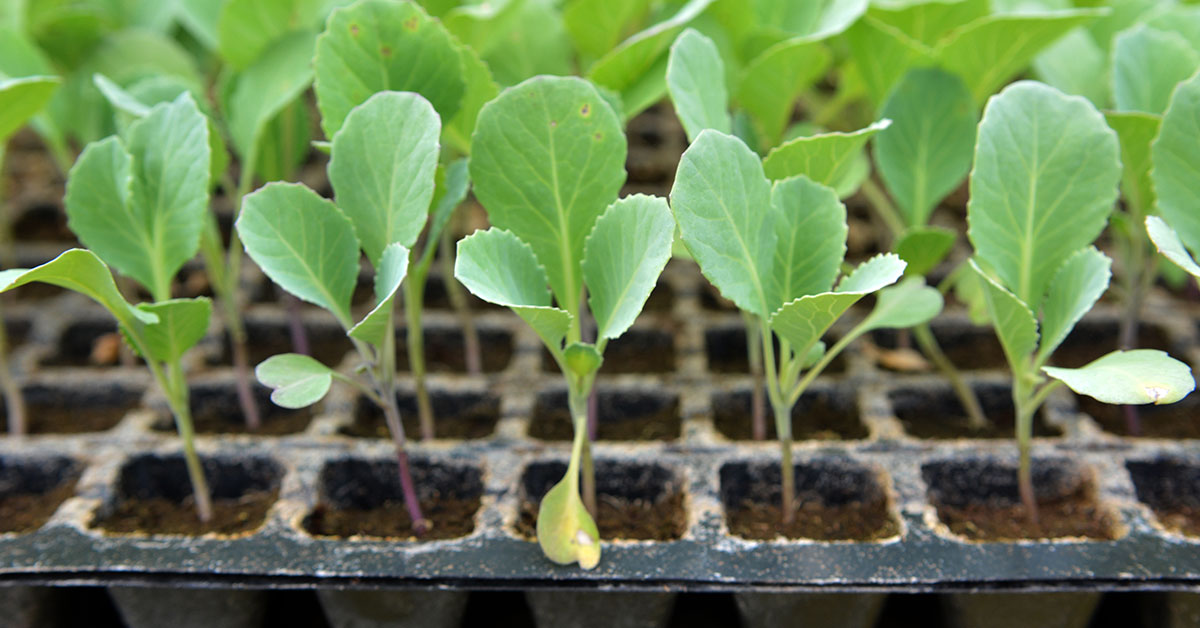
For spring planting, it is best to start cabbage seeds indoors 6 to 8 weeks before the last expected frost date. In Wyoming, the average last frost date varies across the state but generally falls between late May and early June. By starting seeds indoors, you can give the cabbage seedlings a head start before transplanting them outdoors when the weather conditions become more favorable.
If you prefer to plant cabbage in late summer for a fall harvest, you should aim to sow the seeds around mid to late July. This allows the plants to grow during the cooler temperatures of late summer and early fall, which are often more suitable for cabbage cultivation in Wyoming.
It is worth noting that cabbage is a cold-hardy vegetable that can tolerate light frosts. However, it is essential to monitor the weather and protect the plants if temperatures drop significantly or if a hard frost is expected. Using row covers or cloths can help shield the plants and extend the growing season.
In addition to considering the timing, it is crucial to select cabbage varieties that are well-suited for Wyoming’s climate. Look for varieties that have a shorter maturity period and can handle cooler temperatures. Some suitable cabbage varieties for Wyoming include Early Jersey Wakefield, Golden Acre, and Stonehead.
Overall, the best time to plant cabbage in Wyoming is in early spring or late summer, depending on your desired harvest time. By being mindful of the state’s hardiness zones and understanding the specific needs of cabbage plants, you can increase your chances of a successful cabbage harvest in Wyoming.
When to harvest Cabbage in Wyoming
The optimal time to harvest cabbage in Wyoming is typically in the late summer to early fall, around 60 to 90 days after transplanting or 90 to 120 days after direct seeding. Cabbage is a cool-season crop that prefers temperatures between 45°F and 75°F (7°C to 24°C). In Wyoming, this usually corresponds to the months of August through October. However, it’s important to monitor the cabbage plants closely as they mature, as weather conditions can vary from year to year. Harvest the cabbage heads when they are firm and solid, but before they begin to crack or split.
Other considerations
When growing cabbage in Wyoming, there are a few additional considerations to keep in mind due to the specific climate and conditions in the region. Here are some factors to consider:
- Cold Tolerance: Wyoming experiences a short growing season and cold temperatures, so it’s important to choose cabbage varieties that are cold-tolerant. Look for varieties that have shorter maturity periods and can withstand freezing temperatures.
- Timing: Start cabbage seeds indoors about 6-8 weeks before the last expected frost date. Transplant the seedlings outdoors once the soil has warmed up enough and all danger of frost has passed. Be aware that the growing season in Wyoming may be shorter, so plan accordingly.
- Soil Preparation: Prepare the soil well in advance by adding organic matter like compost or well-rotted manure to improve its fertility and drainage. Cabbage prefers a slightly acidic soil pH between 6.0 and 6.8.
- Watering: Cabbage requires regular watering, especially during dry periods. Adequate moisture is crucial for the growth of healthy heads. However, ensure that the soil is well-drained to prevent waterlogged conditions, which can lead to root rot.
- Pest Management: Keep an eye out for common cabbage pests such as aphids, cabbage worms, and flea beetles. Consider using organic pest control methods like companion planting, row covers, or applying insecticidal soaps or neem oil if necessary.
- Mulching: Mulching around the base of cabbage plants can help conserve moisture, suppress weeds, and maintain more even soil temperatures. Organic mulches like straw or shredded leaves work well.
- Crop Rotation: Practice crop rotation to prevent the buildup of diseases and pests in the soil. Avoid planting cabbage in the same spot where members of the cabbage family (Brassicas) were grown in the previous year.
- Protection from Wind: Wyoming is known for its strong winds. Consider planting cabbage in an area that is sheltered from strong gusts, or use windbreaks or protective structures like row covers to shield the plants.
Remember to monitor your cabbage plants regularly for signs of disease or nutrient deficiencies and take appropriate action if needed. With proper care and attention, you can successfully grow cabbage in Wyoming’s unique gardening conditions.